The Algorithm That Thinks Like a Living Thing Active inference algorithms model themselves and predict environments like biological life—maintaining coherence through intrinsic goals rather than external rewards. A new paradigm for trustworthy AI.
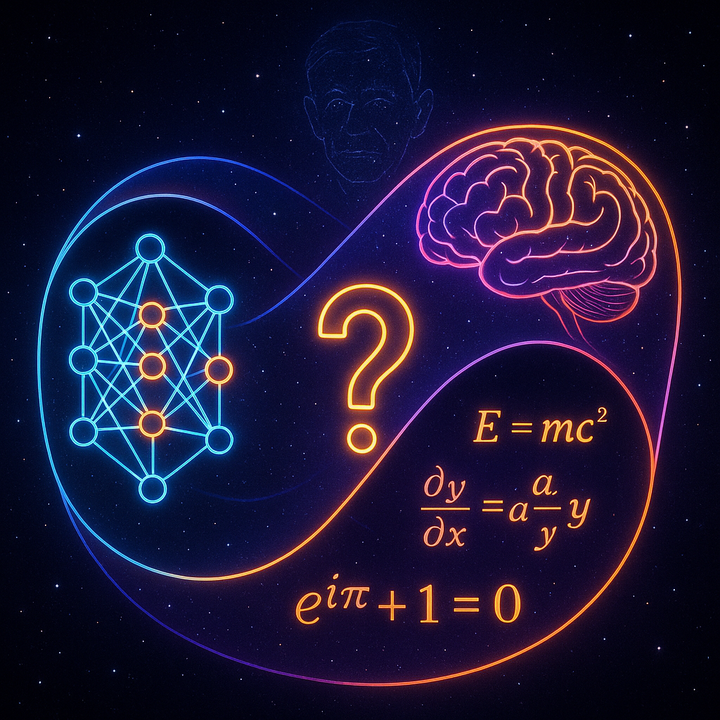
Why the Smartest AI Researchers Are Reading a British Neuroscientist AI lacks real goals and robust world models. Karl Friston's free energy principle offers a solution by treating intelligence as the drive to maintain coherence—reshaping how we build AGI.
ADHD Isn't an Attention Deficit: It's a Synchronization Problem ADHD reframed: not an attention deficit but difficulty synchronizing brain oscillators. Explores time blindness, impulsivity, and hyperfocus through predictive processing and active inference.
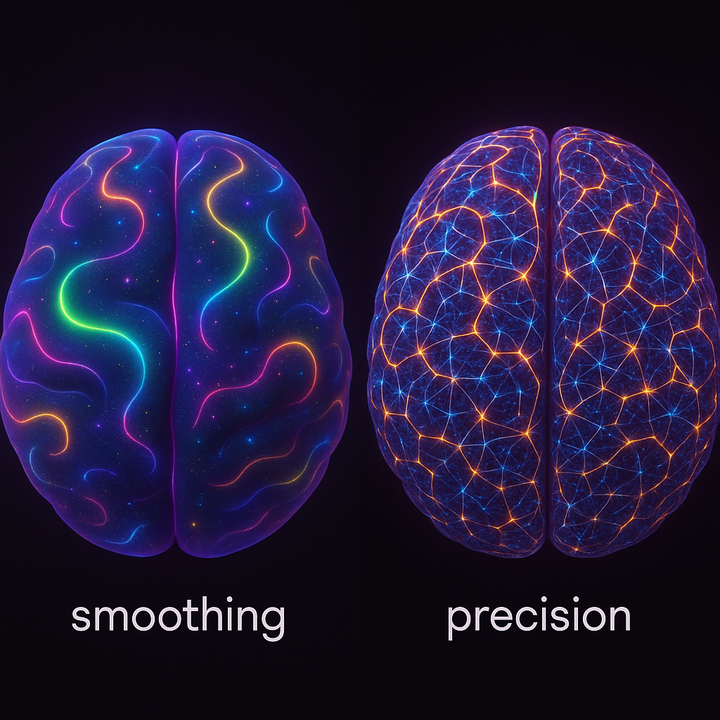
The Autistic Brain Isn't Broken—It's Tuned Differently Autistic brains process with higher sensory precision—noticing patterns neurotypical brains filter out. Challenges arise from environmental mismatch, not deficit.
Why Polarization Feels Like the World Is Ending (To Your Brain, It Is) Political polarization registers as existential threat because shared reality provides prediction stability. When coherence fragments, your nervous system responds to genuine uncertainty.
Your Company Has a Nervous System - And It Might Be Dysregulated Organizations are prediction machines that enter defensive states when forecasts fail. Learn how collective dysregulation mirrors individual trauma responses—and what leaders can do about it.
What Happens in Your Body When Someone Really Listens When someone truly listens, your nervous system shifts from defense to social engagement—producing measurable changes in cortisol, heart rate variability, and facial tension.