What Physics and Anxiety Have in Common: A New Theory of Mind Living systems resist entropy through prediction. Anxiety emerges when prediction errors exceed integration capacity—a physics-based framework for understanding mental health.
The Neuroscientist Who Says You're Hallucinating Reality Right Now Karl Friston's free energy principle reveals perception as active construction—controlled hallucination constrained by sensory feedback. Your brain predicts reality.
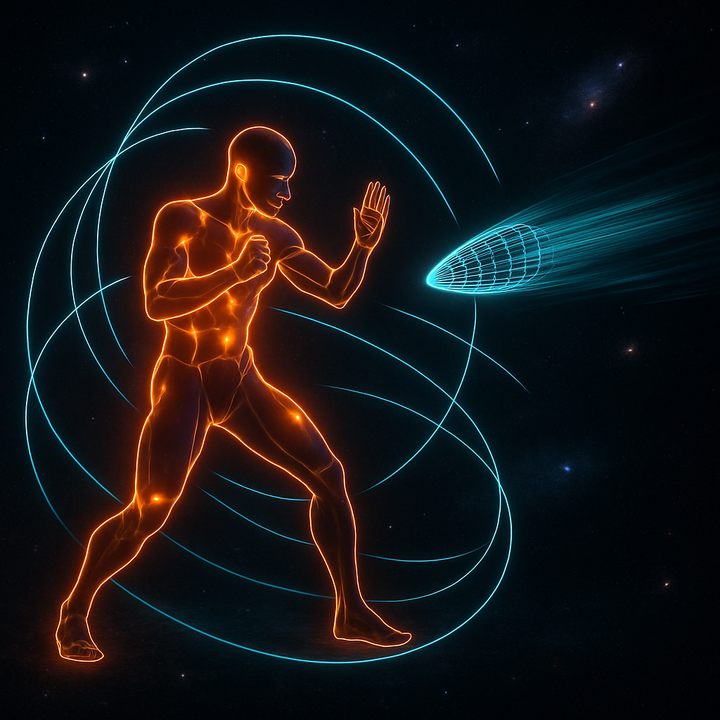
Why You Flinch Before the Punch Lands: The Science of Prediction Your nervous system predicts incoming threats before conscious awareness registers them. Discover how predictive modeling shapes reflexes, expertise, and trauma responses through embodied neuroscience.
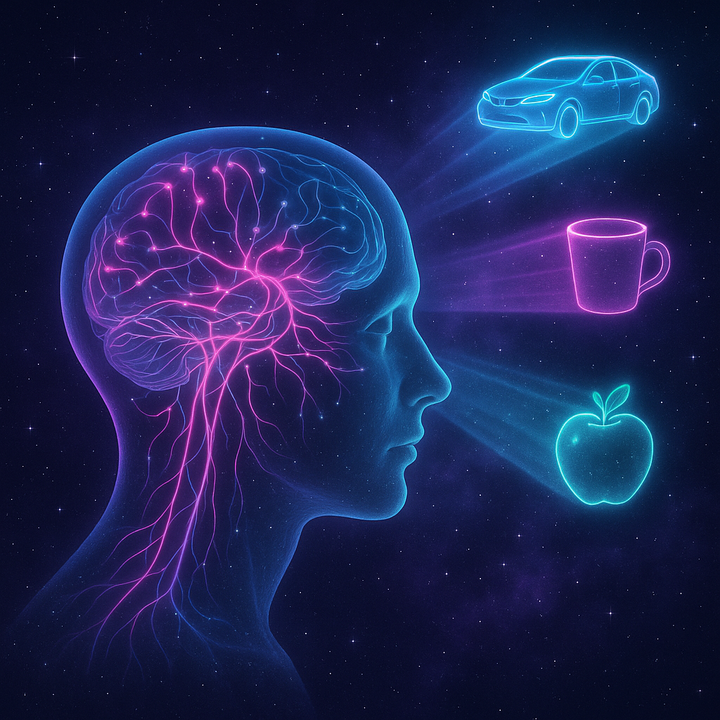
Your Brain Isn't Watching the World—It's Guessing What Happens Next Your brain generates predictions about reality and checks them against sensory input. Perception is controlled hallucination—explore how this framework explains anxiety, trauma, and meaning-making.
AToM Theory A Theory of Meaning (AToM) translates coherence geometry into human scale—exploring surprise minimization, trauma as manifold rupture, entrainment, and attachment dynamics across neurodiversity.
Neurodiversity Personal voice. Lived geometry. First-person accounts of what it feels like when coherence works differently.
Trauma & Attachment Your first relationships didn't just shape your childhood — they wrote the operating system for how you experience connection, threat, and self. Here's what the science of trauma and attachment actually shows about how those patterns form and how they change.