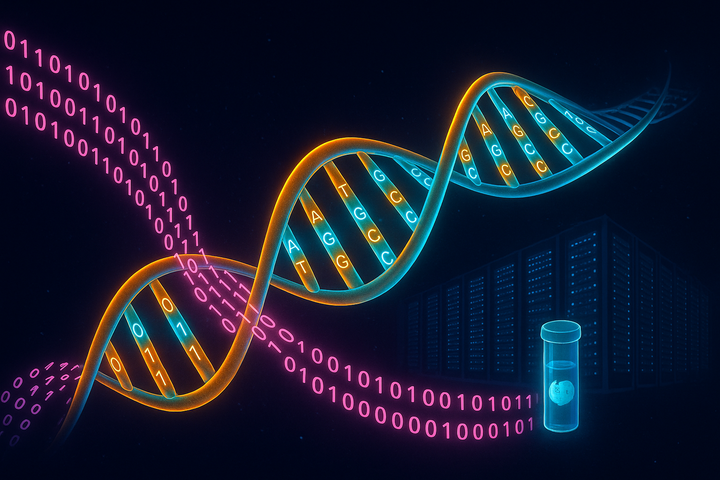
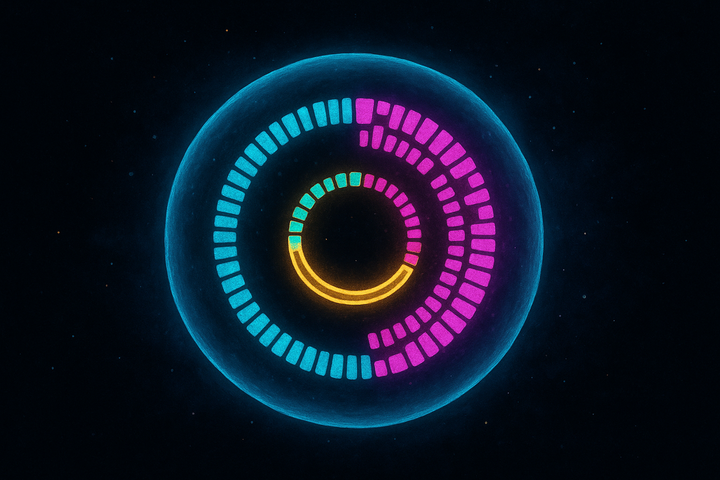
DNA Data Storage: Biology as Hard Drive DNA is the densest information storage medium that exists. One gram holds 215 petabytes. Researchers at Harvard have already written — and read back — a full book encoded in synthetic DNA strands.
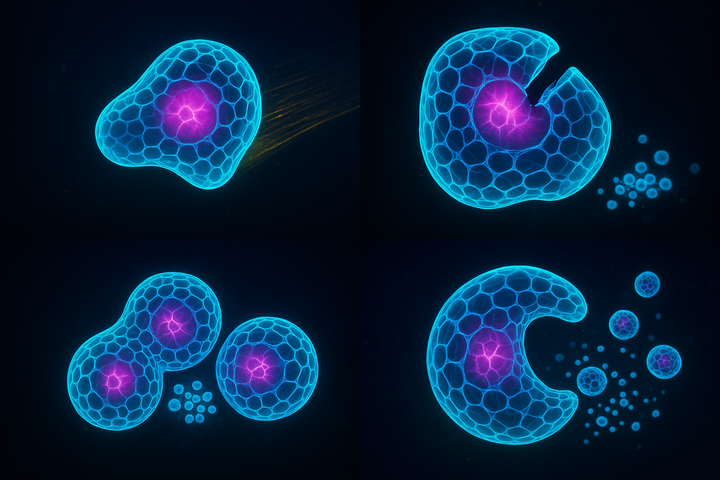
Xenobots: Living Robots Made from Cells Xenobots weren't programmed — they were evolved. A computer tried billions of body-plan configurations using simulated frog skin and cardiac cells, then the winning design was assembled from actual embryonic cells. The result was a millimeter-scale organism with no precedent in evolutionary history.
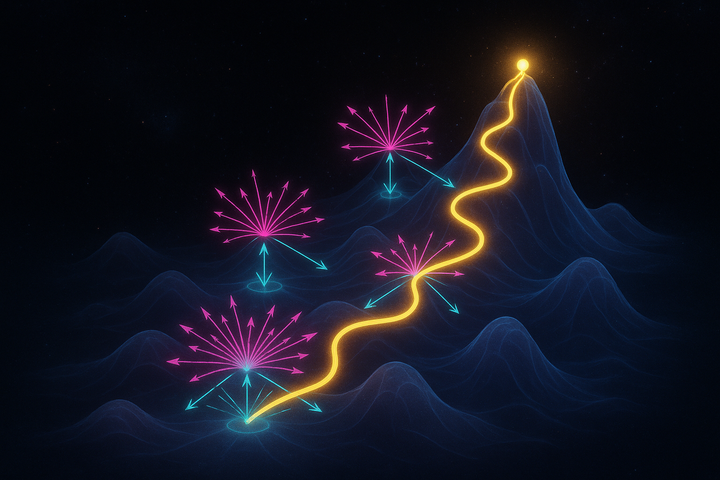
Directed Evolution: Engineering Enzymes You can't design a better enzyme from first principles — the chemistry is too complex. Frances Arnold's Nobel-winning insight was to stop designing and start evolving. Directed evolution lets natural selection do the work.
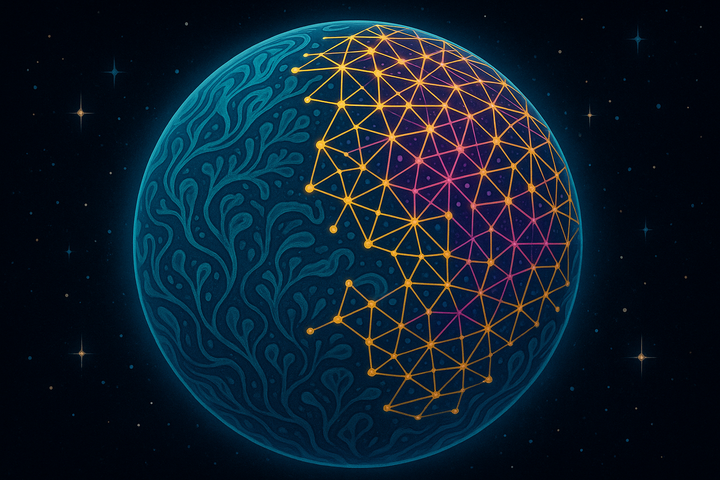
The Minimal Genome: How Simple Can Life Be? Strip away everything non-essential and what's left? Syn3.0 — Craig Venter's engineered minimal cell — answers that with 473 genes. Alarmingly, about a third of them have no known function.
Synthesis: The Designed Biosphere Synthetic biology started with making bacteria glow. It's trending toward programmable organisms, gene drives that can spread through wild populations, and organisms engineered to produce any molecule on demand. At some point, the designed biosphere stops being a metaphor.
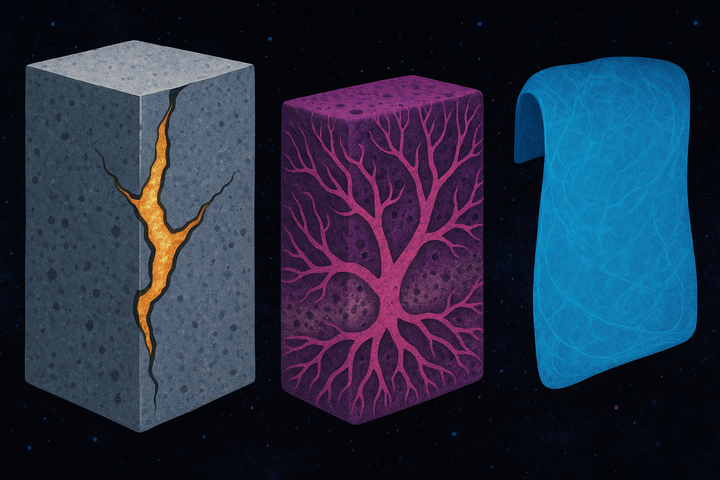
Living Materials: Self-Healing and Growing What if the walls of a building could seal their own cracks? Living materials — composites of biological cells and structural matrices — are making that a real engineering question, not a metaphor.
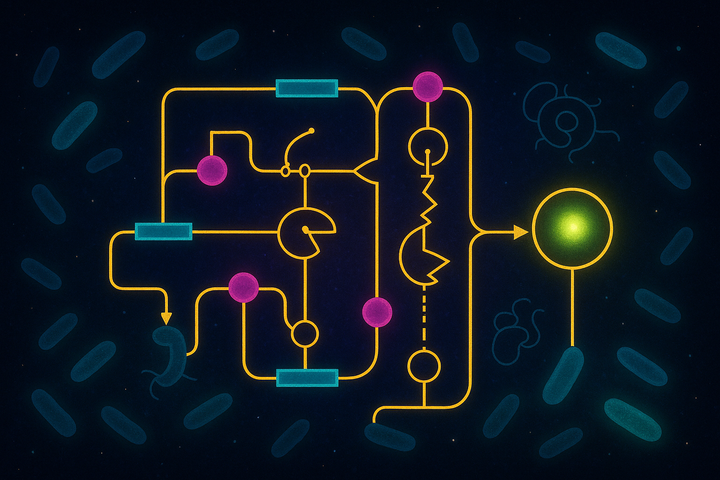
Genetic Circuits: Cells as Computers Cells already run genetic programs. Synthetic biologists are learning to rewrite them — building AND gates, memory switches, and feedback oscillators from DNA. The cell isn't just a machine; it's a computer waiting to be reprogrammed.