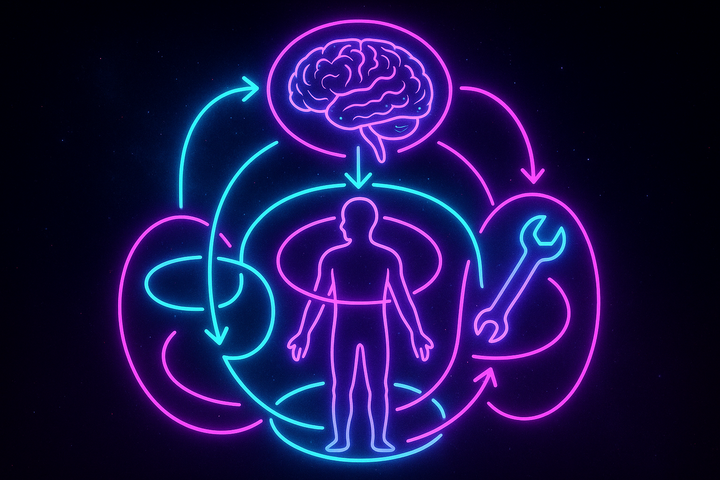
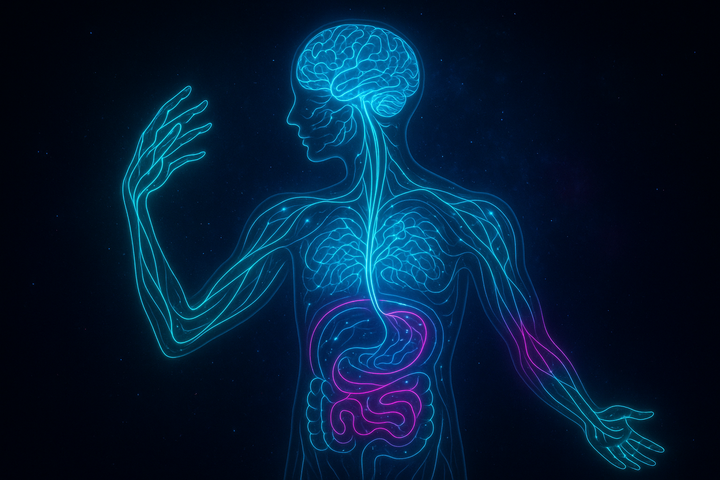
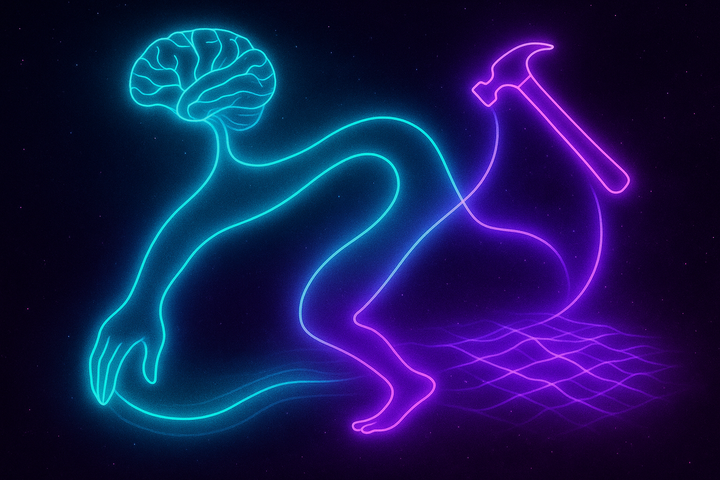
4E Meets Active Inference: Embodied Free Energy Minimization 4E cognitive science—embodied, embedded, enacted, extended—has long been philosophically rich but mathematically thin. Active inference finally provides the formal scaffolding.
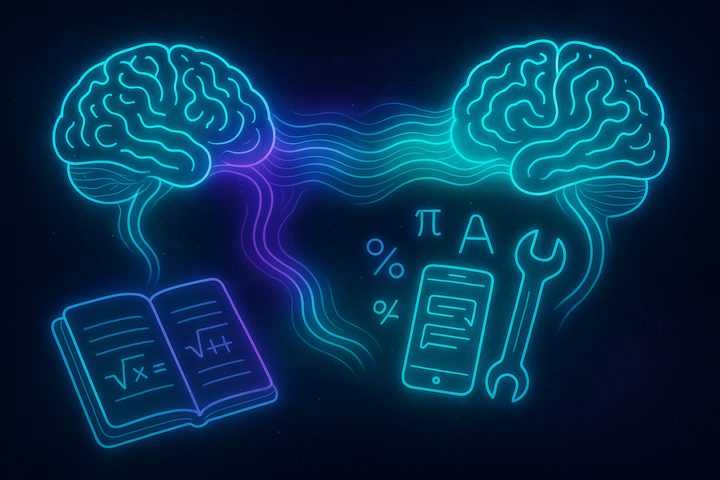
The Boundaries of Mind: Where Does Cognition Stop? If you use a notebook to remember things, is the notebook part of your mind? Extended mind theory says yes — and where cognition stops isn't merely philosophical. It shapes how we think about intelligence, disability, AI, and the moral status of systems that process information outside a skull.
Extended Cognition: When Mind Leaks Into the World Your phone isn't helping your memory — it IS your memory. Extended cognition argues the mind doesn't stop at the skull, and that claim is harder to dismiss than it sounds.
Enacted Cognition: Bringing Forth a World Enactivism is the third 'E' in embodied cognitive science — and the most radical. Cognition isn't processing a pre-given world; it's ongoing action that constitutes the world worth perceiving. Varela and Maturana called this bringing forth.
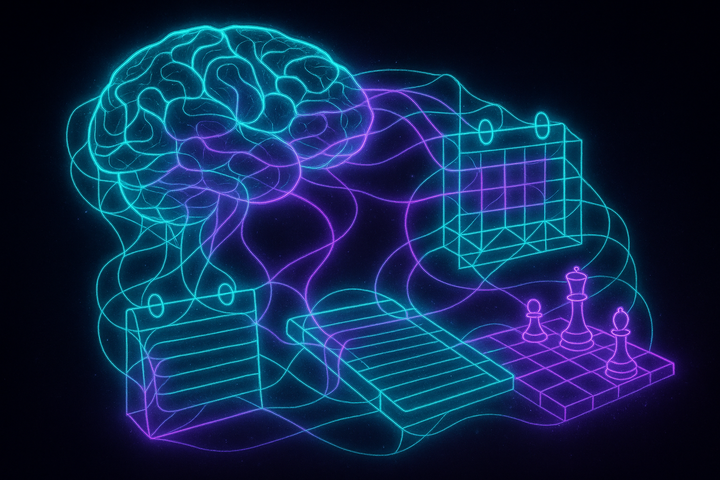
Embedded Cognition: Mind in Context Your brain doesn't solve problems in isolation — it recruits the environment. Embedded cognition argues that the world's structure is part of the cognitive system, not just a backdrop to it.
Embodied Cognition: Why Bodies Shape Minds Cognition isn't something that happens inside the skull and then steers the body. Embodied cognition argues the body is constitutive of thought — shaping concepts, memory, and reasoning from the ground up.
Mind Beyond the Brain: The 4E Revolution in Cognitive Science Cognition isn't brain-bound computation — it's embodied, embedded, enacted, and extended. The 4E revolution changed what it means to have a mind, and neuroscience is still catching up.