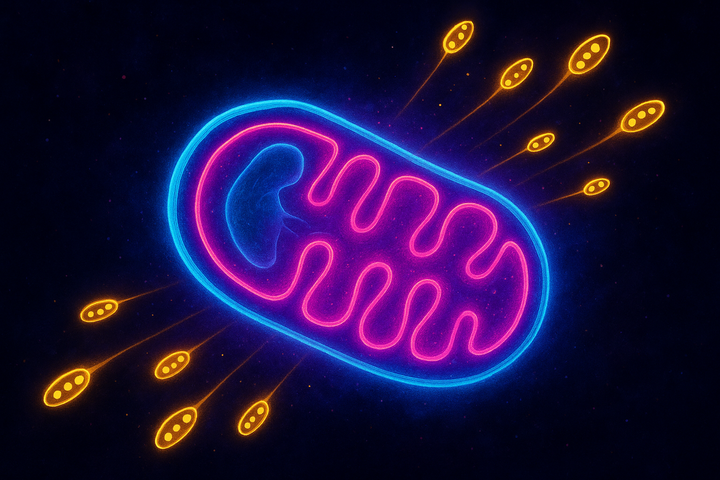
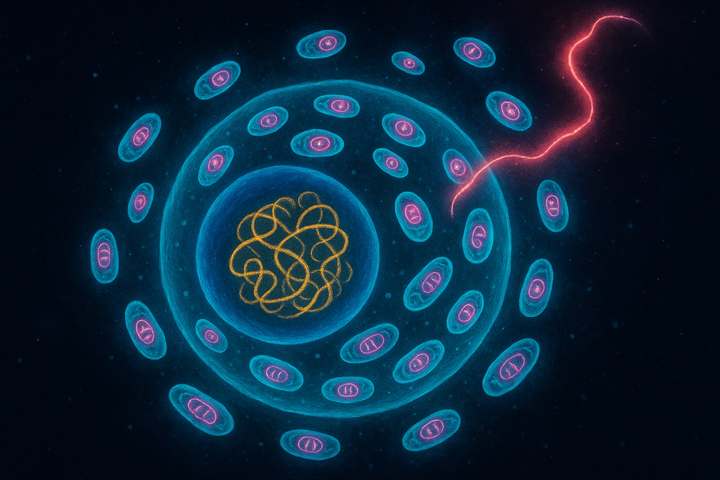
The Mitochondria Mythos Everyone knows mitochondria are the "powerhouse of the cell." Almost no one knows they were once free-living bacteria that struck a deal with our ancestors 2 billion years ago — and still carry their own DNA to prove it.
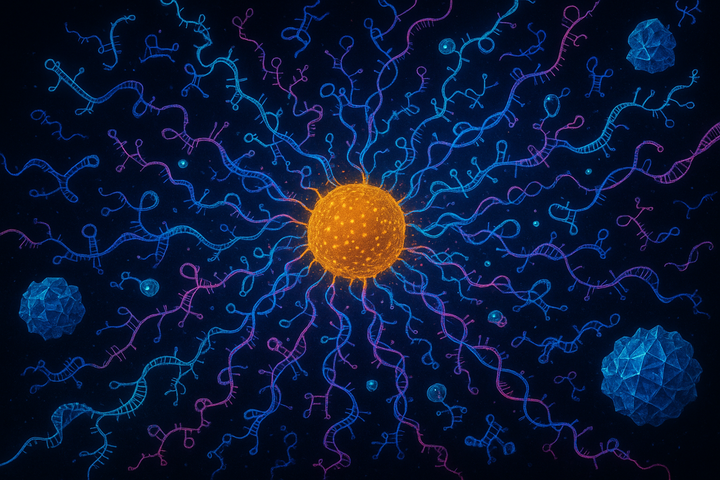
Synthesis: RNA as Information Processor If DNA is the genome's hardware, RNA is closer to firmware. It reads context, makes decisions, amplifies signals, and silences genes — all without protein intermediaries. The full picture of RNA's information-processing role makes the old 'messenger' label look almost comically inadequate.
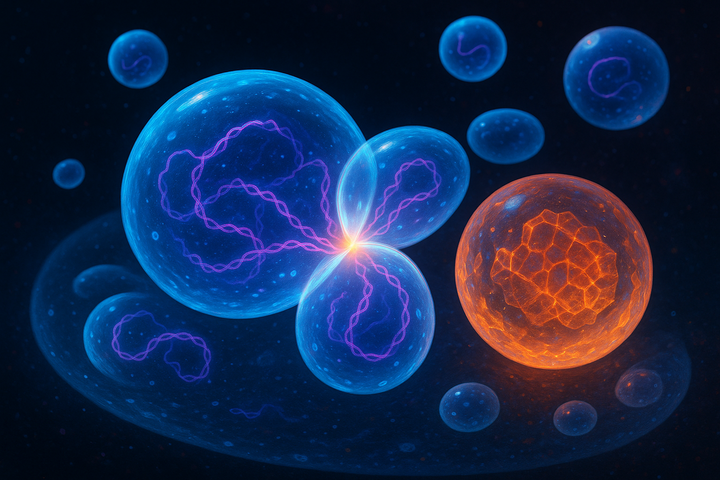
Phase Separation: The Liquid Physics of Cells Cells were thought to compartmentalize everything in lipid membrane-bound organelles. Then biologists found that key gene-regulation hubs form as liquid droplets via phase separation — the same physics behind oil and water. It's reshaping cell biology.
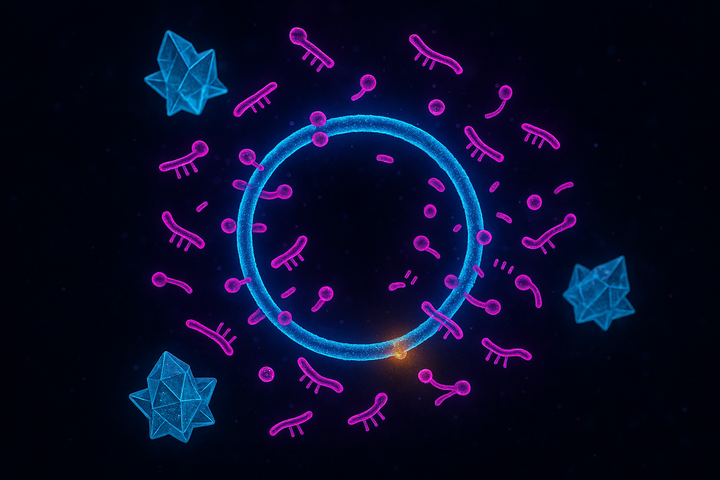
Circular RNA: The Newly Discovered Layer RNA is supposed to be linear: a start, a message, an end. Circular RNA breaks that rule — looping back on itself to resist degradation and quietly regulate gene expression in ways scientists are still mapping.
Mitochondrial DNA: Your Other Genome Your cells contain a second genome you almost never hear about. Mitochondrial DNA passes exclusively through the maternal line, making it an extraordinary lens on ancestry, evolution, and disease.
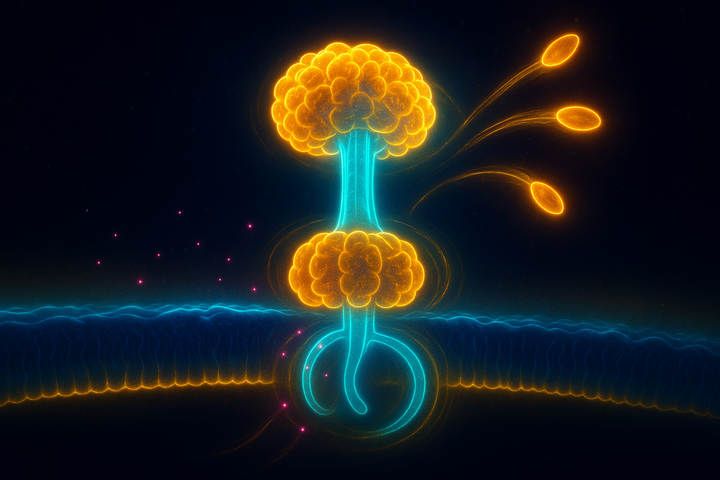
ATP: The Energy Currency of Life You don't store ATP — you recycle it continuously. Your mitochondria spin a molecular motor at 150 revolutions per second to keep the supply flowing. The numbers behind cellular energy are more extreme than most biology textbooks let on.
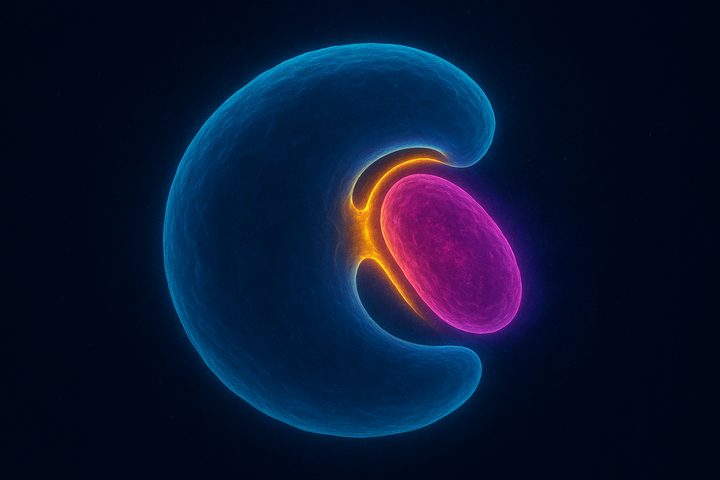
Every Cell Runs on an Ancient Bacterial Engine About 1.5 billion years ago, a cell swallowed a bacterium and didn't digest it. That accident became the mitochondrion — and it changed the trajectory of all complex life on Earth.