Synthesis: The Terrain Beneath Politics Why are island nations systematically different from landlocked ones? Why do river valleys produce different institutions than steppe? Geography as political physics: not destiny, but persistent pressure.
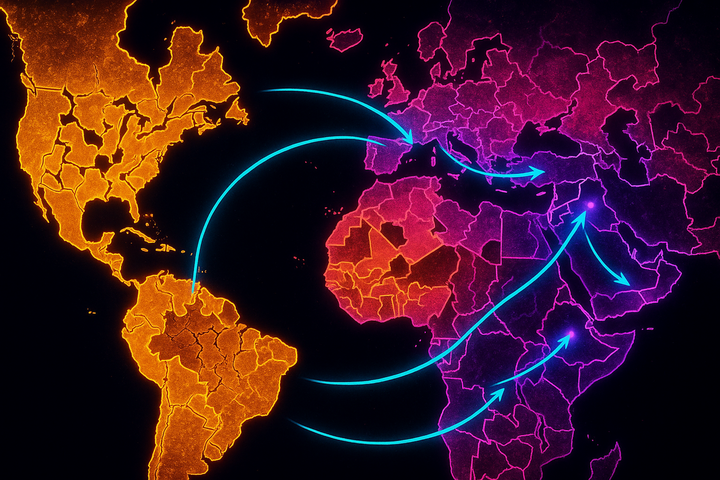
Climate and Conflict: Drought Wars The Syria conflict didn't start with ideology — it started with crop failure. Drought, displacement, and grievance formed a causal chain that climate scientists can now model. The next wars are already in the weather data.
The Resource Curse: Oil and Authoritarianism Oil wealth should make countries richer. Instead it reliably produces weaker institutions, more autocracy, and slower development — a pattern so consistent economists named it. The resource curse isn't bad luck; it's a structural trap built into how windfall revenues change political incentives.
Hydraulic Civilizations: Water and Despotism Managing a river takes coordination. Wittfogel argued that coordination became control — and that hydraulic agriculture was the hidden engine behind the world's first despotisms.
Tim Marshall: Prisoners of Geography Why does Russia perpetually seek warm-water ports? Why is Western Europe so politically fragmented? Tim Marshall argues the answers are on a topographic map. Prisoners of Geography makes the case that physical terrain is the most durable constraint in international relations.
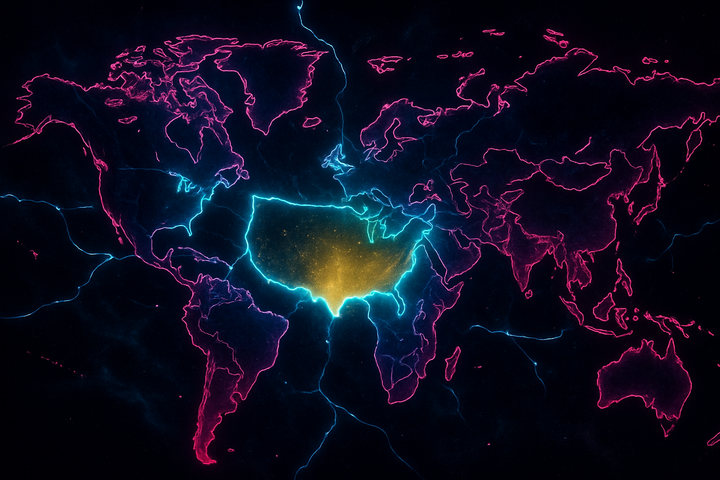
Peter Zeihan: Contemporary Geopolitics Peter Zeihan says the era of American-enforced global stability is ending — and the fallout will reshape trade, alliances, and food supplies for billions. His forecast is provocative, data-heavy, and deeply unsettling.
Mackinder and Spykman: Heartland Theory In 1904, Halford Mackinder argued control of Eurasia's interior — the Heartland — would determine global dominance. Spykman's Rimland counter-theory complicated that picture, and their debate still shapes how strategists think about power.