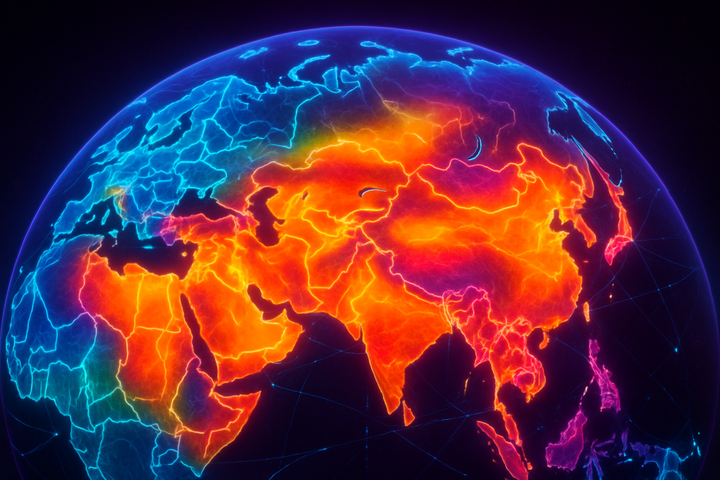
Mountains Rivers and Ports Determined More History Than Ideas Great men made history, or so we're told. But the mountains that blocked invasion, the rivers that enabled trade, and the ports that connected continents quietly wrote more of the story.
The Geography of Power Before ideology, before armies, there is geography. The shape of a river valley, the height of a mountain pass, the width of a navigable coast — these features have determined which civilizations rise and which collapse. Geography isn't destiny, but it's close.
Synthesis: Between Catastrophes or Genuine Progress? The long-run data on violence is genuinely encouraging. The 20th century's death tolls are genuinely terrifying. Both can be true — and the tension between them is the most important unresolved question in the study of human progress.
The Long Peace: Nuclear Deterrence? The decades since 1945 represent history's longest stretch without great-power war. Nuclear deterrence is the leading explanation — but close calls like the Cuban Missile Crisis reveal just how contingent that peace has been.
Democratic Peace Theory One of the most reliable empirical patterns in political science: democracies almost never fight each other. Democratic Peace Theory tries to explain why — and what happens when the theory meets messy reality.
Randall Collins: The Micro-Sociology of Violence Violence looks easy from the outside. Randall Collins spent decades studying it up close and found the opposite: most people freeze, bluster, or flee. The rare ones who don't follow a sociology, not a psychology.
Structural Violence: Beyond Direct Harm Johan Galtung asked: if people are dying of preventable causes when the resources to save them exist, is that violence? His concept of structural violence — harm built into systems rather than wielded by individuals — reframed what counts as harm and who bears responsibility.