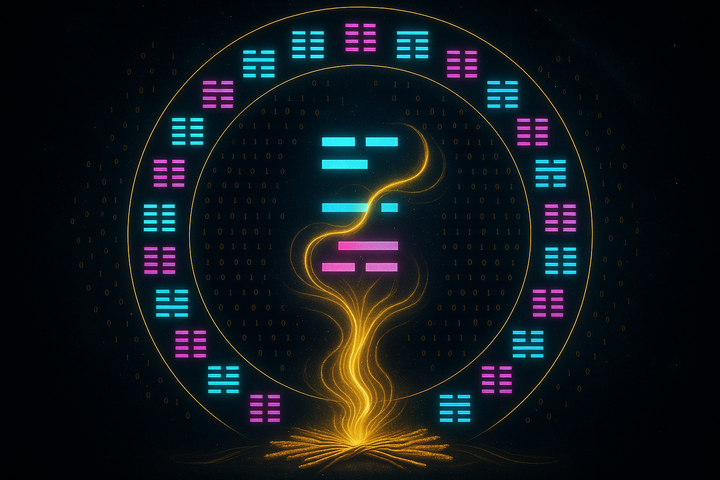
The I Ching: 3000 Years of Structured Randomness Jung called it synchronicity. Mathematicians call it a binary system. The I Ching is 3,000 years of divination that also happens to be mathematically elegant combinatorics.
Why Divination Works (Psychologically) Tarot cards and I Ching hexagrams don't predict futures — they externalize inner conflict, relieve decision fatigue, and create narrative scaffolding for choices already forming. Divination works because of psychology, not magic.
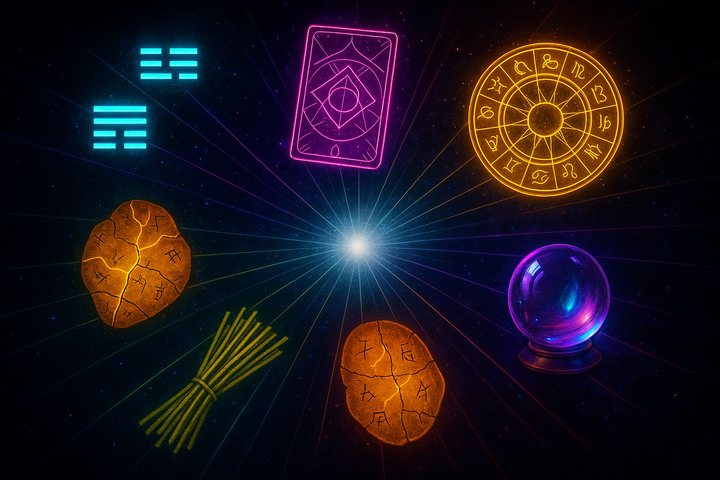
The Science of Divination Divination sounds like superstition, but it's doing something cognitively real. From cracking oracle bones to shuffling tarot cards, the practice of structured randomness has a surprisingly coherent function.
Synthesis: What Anomalies Teach Us Cases where perception, memory, or sense of self break down reveal what those systems are actually doing when they work. Anomalous experiences are cognitive science's natural experiments — unexpected probes of the machinery underneath.
The Hard Problem: Consciousness and the Paranormal The hard problem of consciousness — why there's something it's like to be you — remains unsolved. Paranormal reports are philosophically interesting not as evidence of the supernatural, but as data points that stress-test every theory of mind.
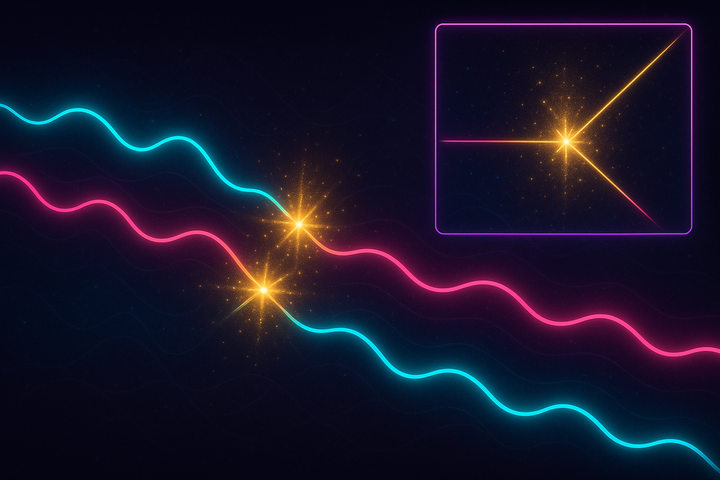
Synchronicity: Meaningful Coincidence or Apophenia? Your brain is a prediction machine that hates loose ends. When two unrelated events coincide dramatically, it reaches for meaning. Jung built a theory around this feeling. Modern neuroscience explains it as a feature — and a bug — of how the brain constructs reality.
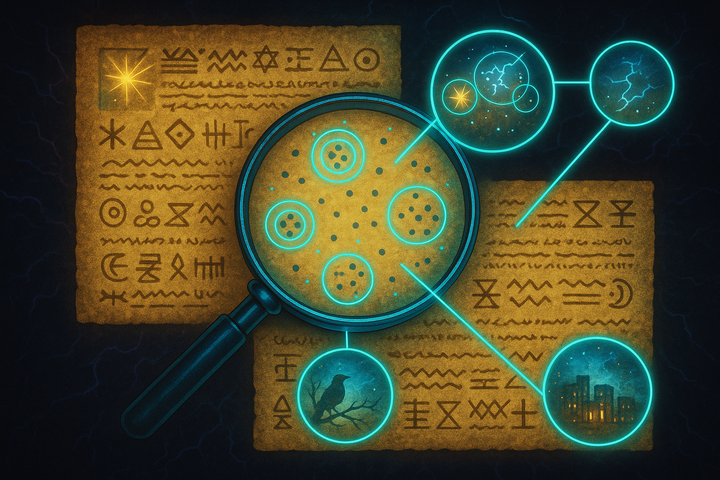
Nostradamus and Pattern-Matching: Why We See Prophecy His predictions always seem to come true after the fact. That's not because Nostradamus was gifted — vague language plus pattern-hungry brains equals inevitable prophecy.