4E Cognition
4E cognition argues that thinking is not just computation inside a skull. Minds are embodied in biology, embedded in environment, enacted through interaction, and extended into tools and artifacts — and that changes everything.
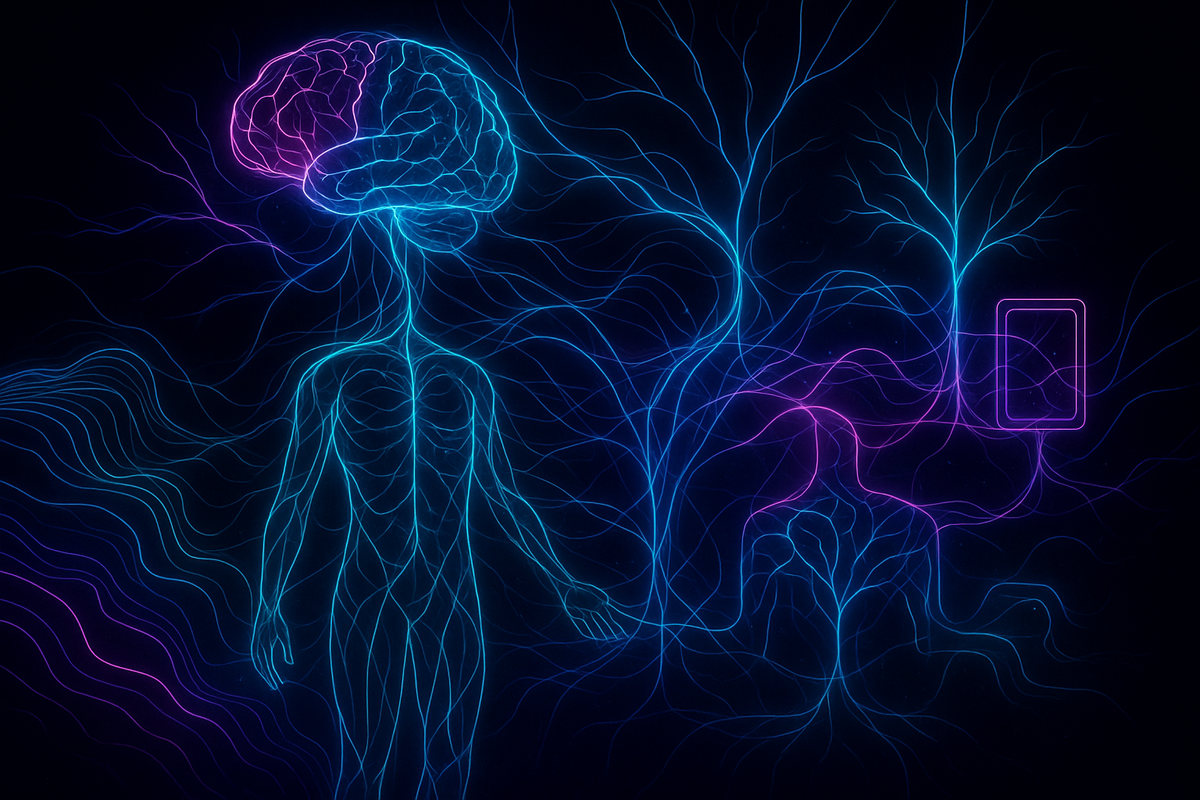
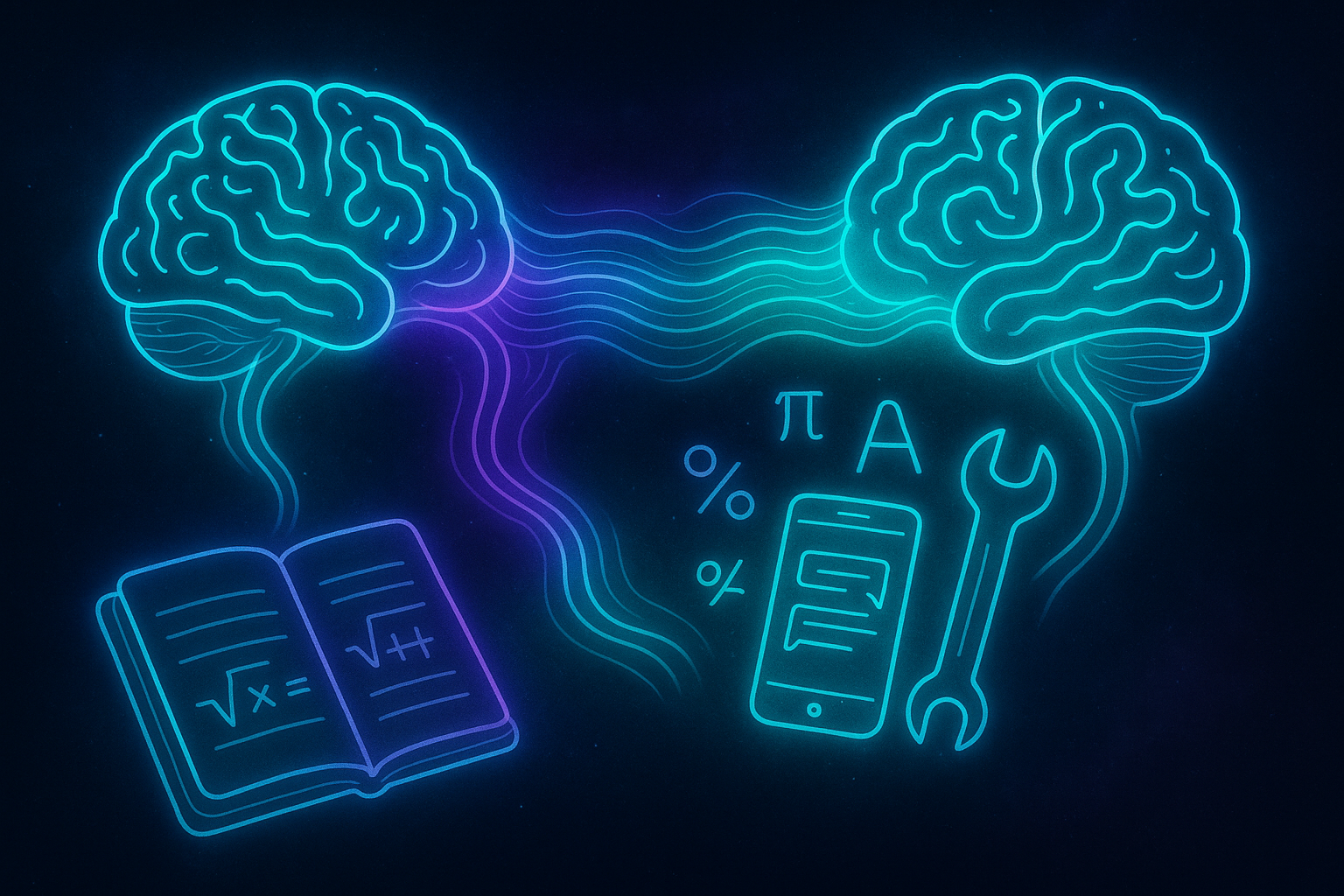
Your brain doesn't think alone. Your body shapes what your mind can do. Your environment structures how you reason. Your actions bring forth the world you perceive. And your tools become extensions of your cognitive architecture.
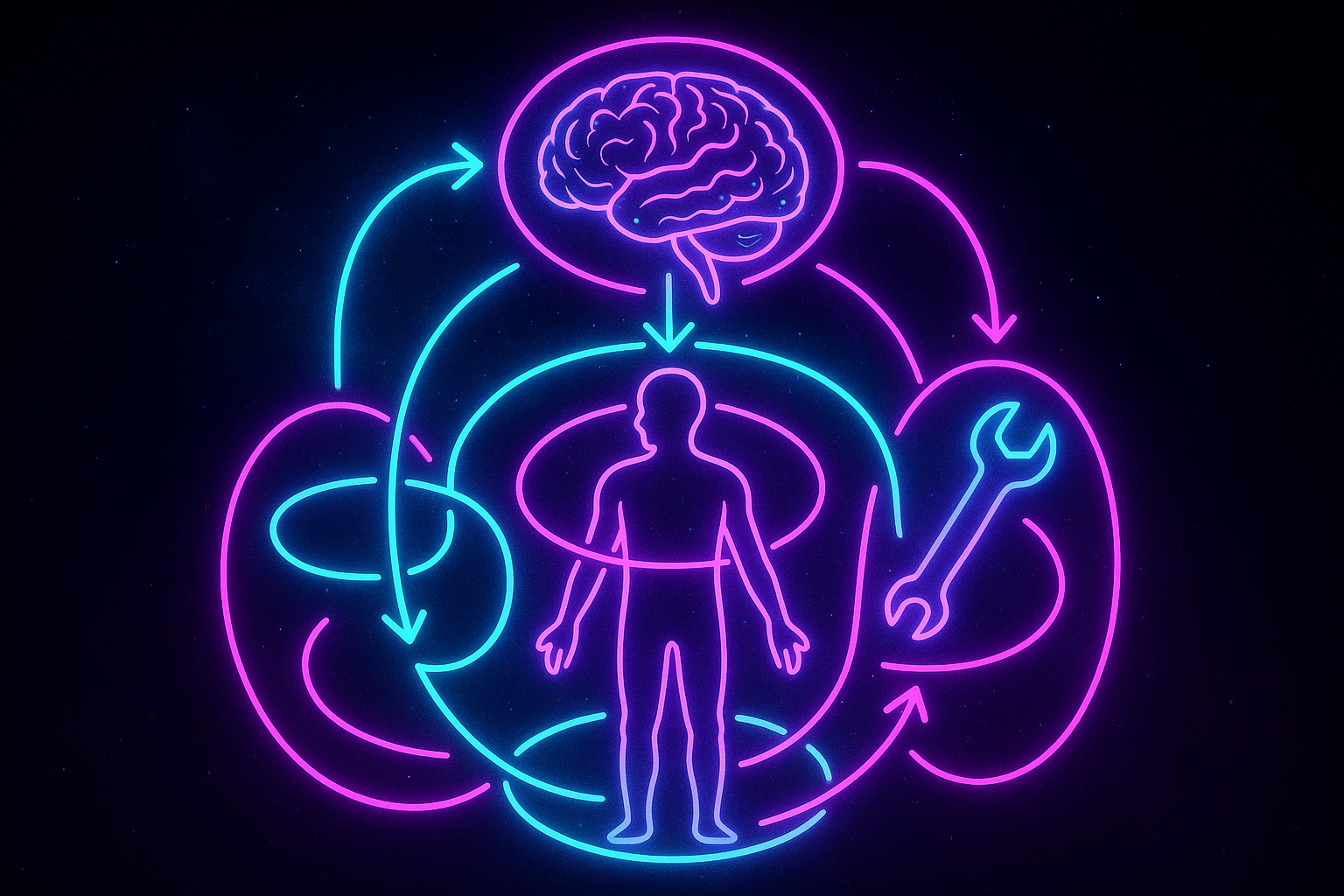
This is 4E cognition: the recognition that minds are Embodied, Embedded, Enacted, and Extended. It's the counterrevolution against the idea that thinking is just computation happening inside skulls. And it's transforming cognitive science from the ground up.
If you want to understand how minds actually work—not as idealized information processors, but as physical systems coupled to environments through bodies and tools—you need to understand the 4E framework.
Why This Matters for Coherence
Coherence isn't just neural. It's distributed across brains, bodies, environments, and artifacts. A coherent system maintains organization at all these levels simultaneously, using physical structure to offload cognitive work, environmental regularities to reduce uncertainty, and tools to extend capability.
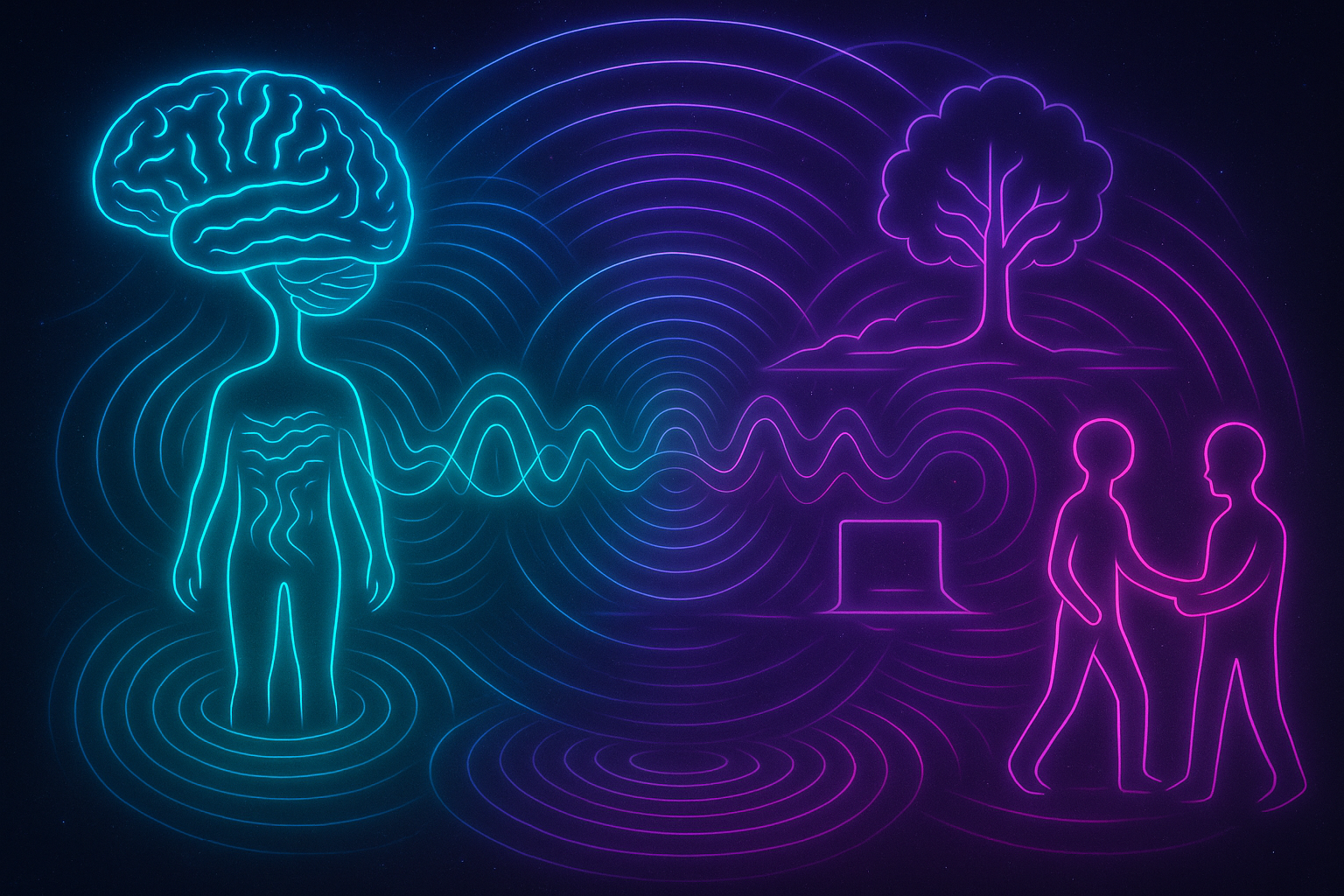
Understanding 4E cognition means understanding how coherence propagates beyond neural boundaries, how minds leak into the world, and why the boundaries of cognition are far fuzzier than traditional cognitive science assumed.
What This Series Covers
This series explores the 4E framework and its implications for understanding minds, bodies, and the distributed nature of intelligence. We'll examine:
- The four Es: what makes cognition embodied, embedded, enacted, and extended
- How bodies shape minds through sensorimotor contingencies
- How environments scaffold and support cognitive processes
- How action and perception co-constitute experience
- When and how tools become part of cognitive systems
- Where the boundaries of mind actually lie
- Connections between 4E cognition and active inference
- How 4E frameworks illuminate neurodiversity
- What distributed coherence means for understanding meaning
By the end of this series, you'll understand why the question "Where does cognition happen?" has a more expansive answer than "in the brain"—and why that expansion matters for understanding intelligence, consciousness, and what it means to think.
Articles in This Series


Comments ()