Applied Category Theory
Category theory was dismissed as 'abstract nonsense' for decades. Now it's being applied to neural networks, quantum mechanics, database design, and natural language. The abstraction wasn't the problem — we just hadn't found enough things it applied to.
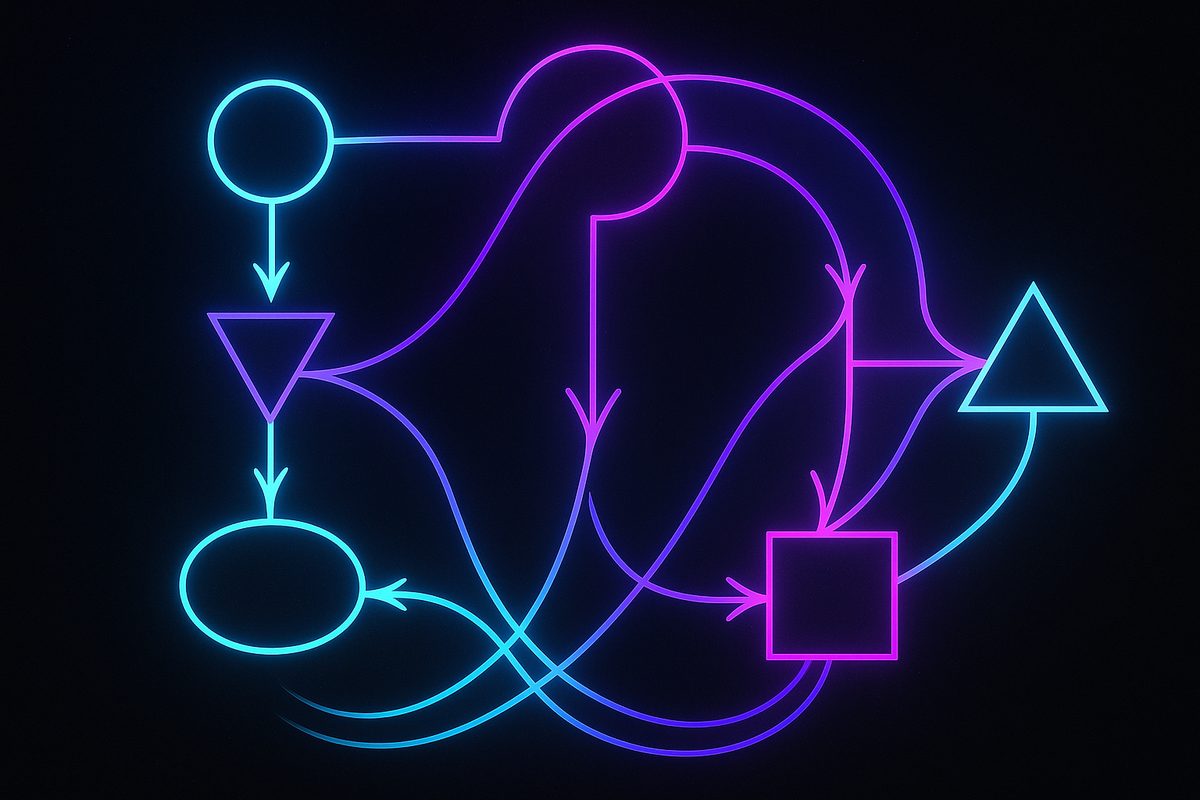
What if there was a mathematical language that could describe neural networks, quantum physics, linguistic composition, and biological systems all at once? What if the same formal tools could illuminate how sentences compose meaning, how proteins fold, and how machine learning architectures preserve structure?
That language exists. It's called category theory, and it's eating everything.
Once considered abstract to the point of uselessness, category theory has become the new linear algebra: the universal mathematical infrastructure for understanding compositional systems. From deep learning to natural language processing to theoretical physics, researchers are discovering that category theory provides exactly the right level of abstraction for describing how complex systems compose, transform, and maintain structure.
This isn't just mathematical elegance. It's a fundamental insight about how nature builds complexity: through composition all the way down.
Why This Matters for Coherence
Coherence is compositional. A coherent system is one where parts combine in predictable, structure-preserving ways to form wholes that are themselves parts of larger wholes. Category theory is the mathematics of exactly this kind of organization.
Understanding categorical composition helps us understand how meaning composes, how coherence scales, and what it means for systems at different levels to "fit together" in ways that preserve their essential structure.
What This Series Covers
This series explores applied category theory and its implications for understanding compositional coherence across domains. We'll examine:
- Why category theory has become indispensable for modern AI research
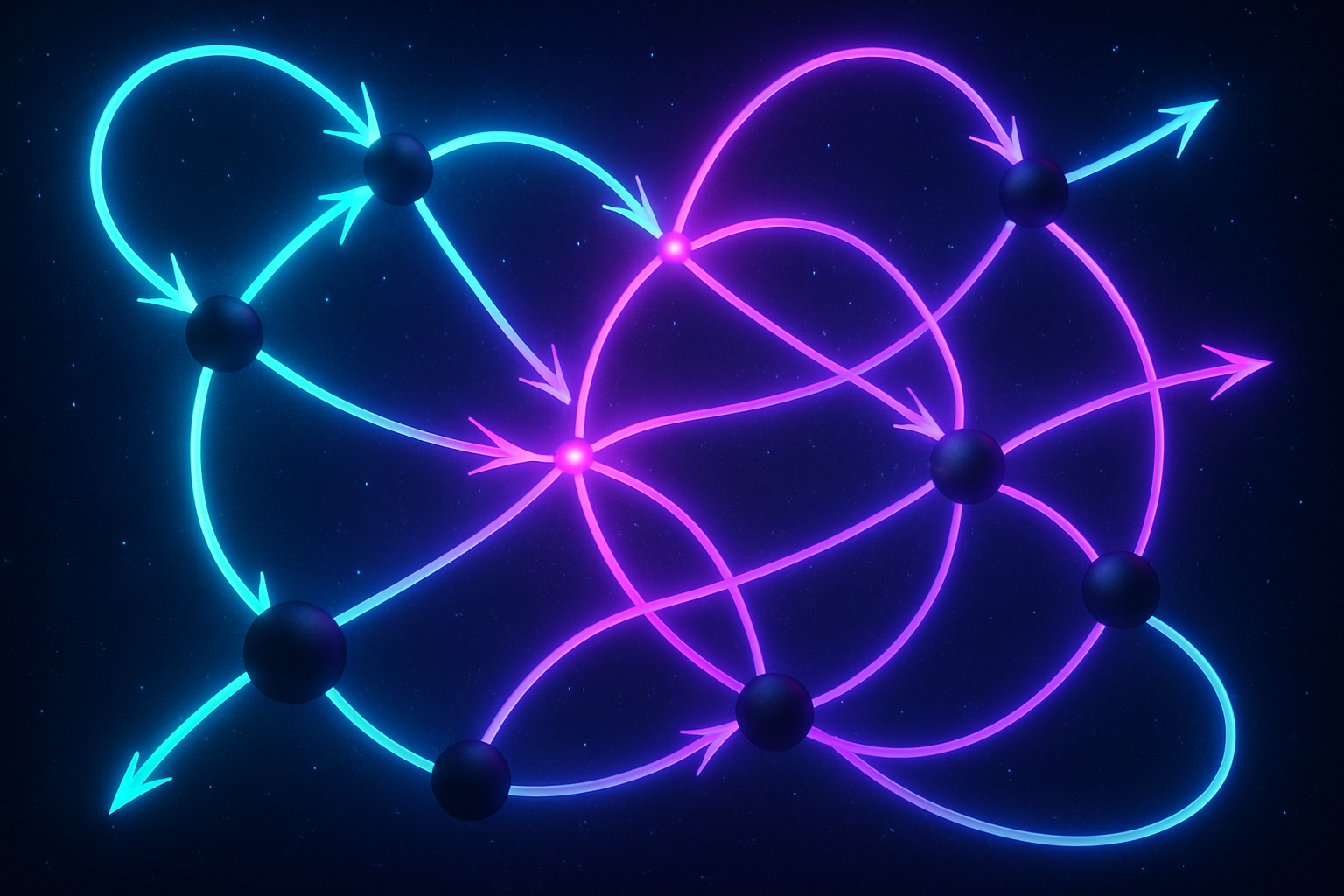
- The core concepts: objects, morphisms, functors, and natural transformations
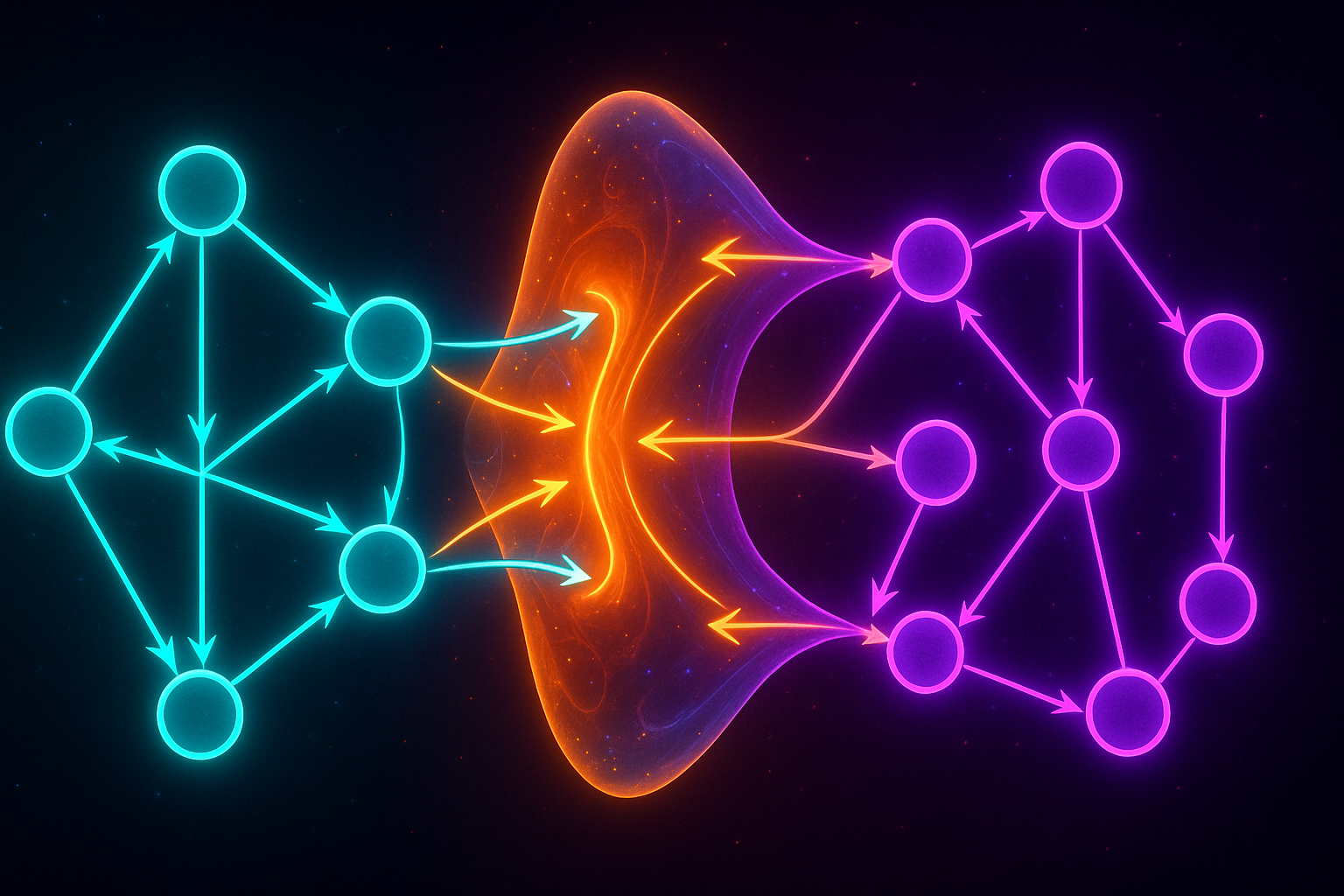
- How neural networks are categorical structures
- String diagrams as visual reasoning tools
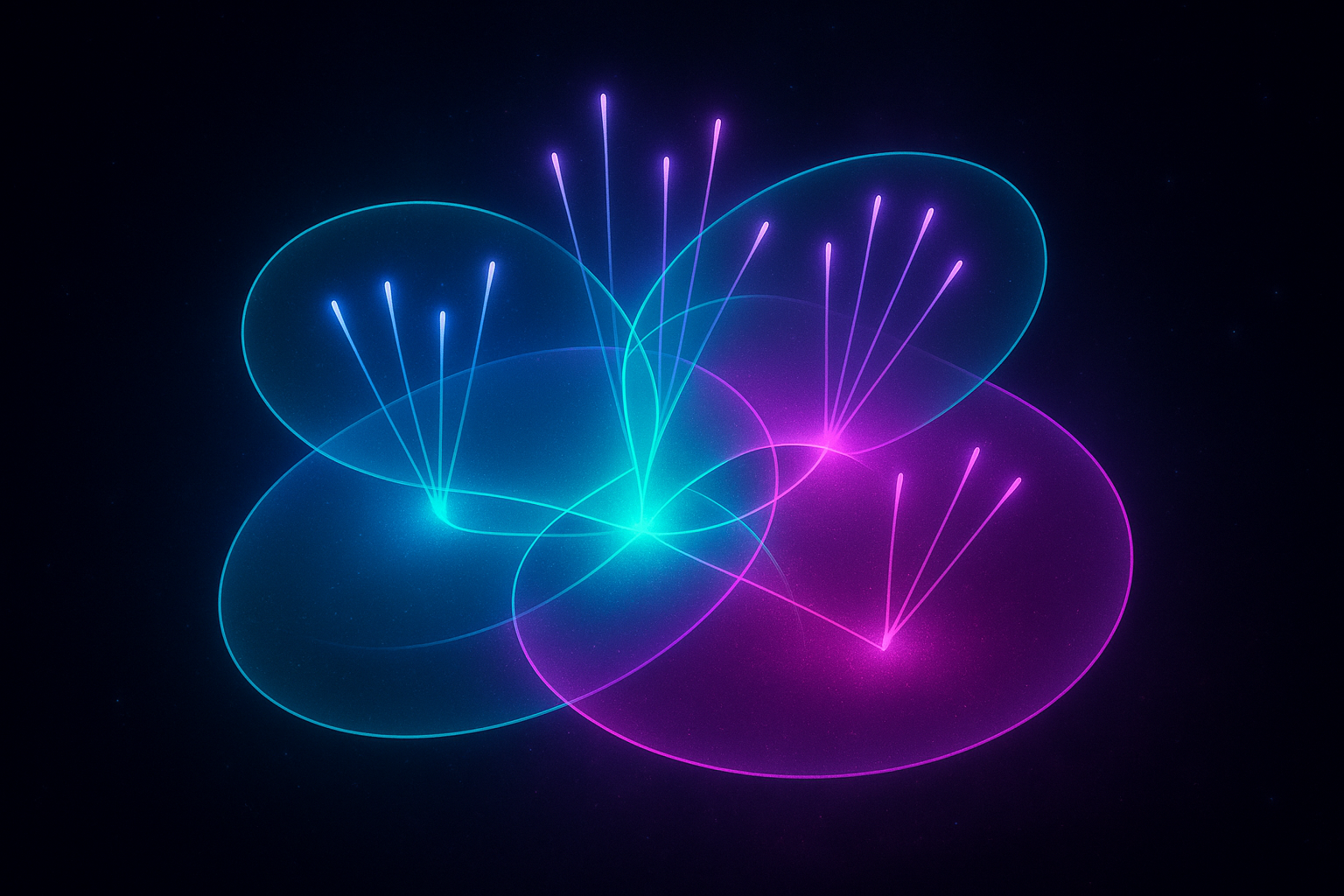
- Sheaves and contextual semantics
- Operads and the algebra of composition
- Category theory as the formal backbone of active inference
By the end of this series, you'll understand why the question "How do complex systems compose?" has a mathematically precise answer—and why that answer matters for everything from AI to understanding meaning itself.
Articles in This Series






Comments ()