Assembly Theory

Assembly Theory
How hard is something to make? A new theory of what it takes to persist.

Assembly Theory

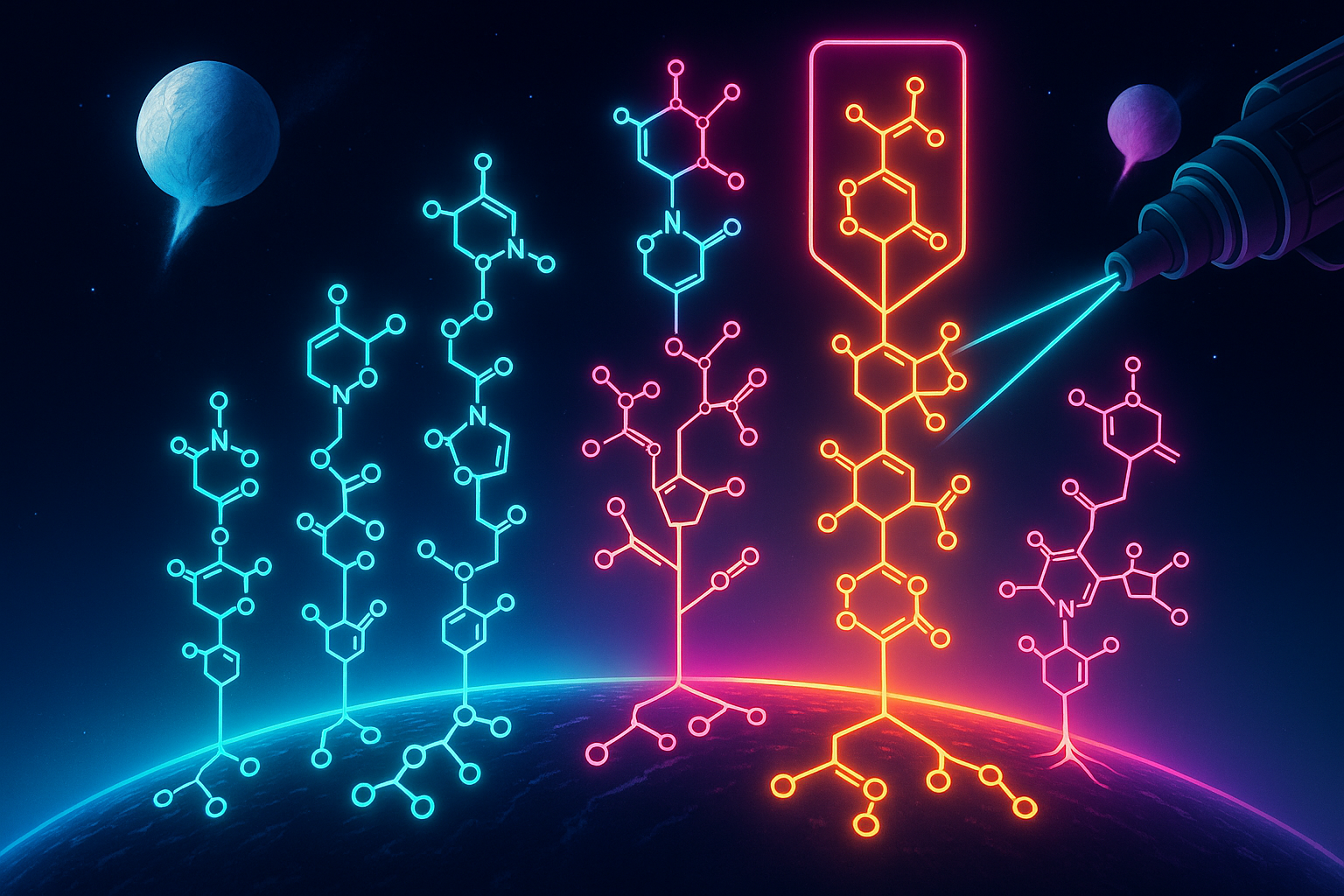
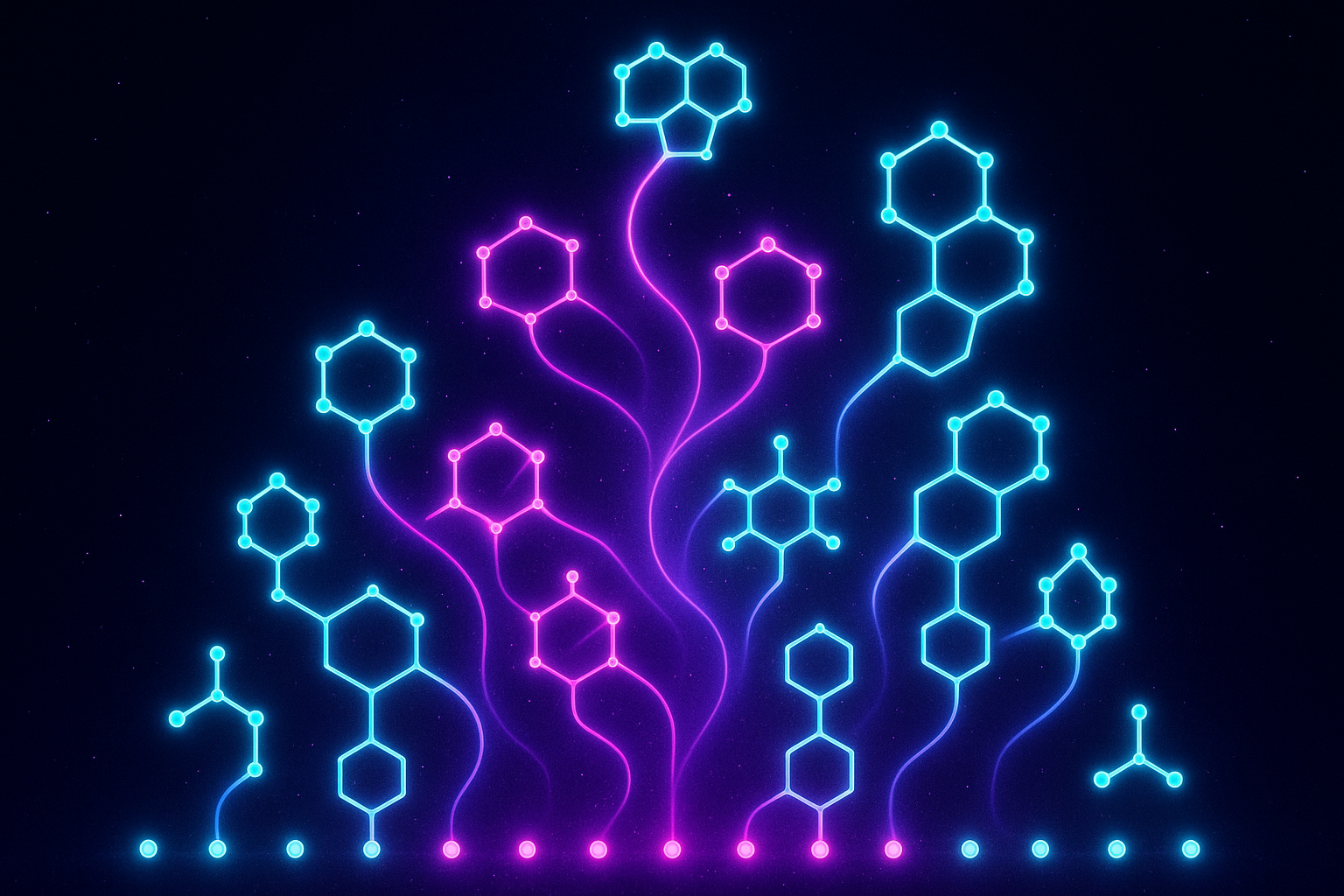
What makes a molecule alive? Not what it's made of—carbon and hydrogen are everywhere. Not even what it does—plenty of complex chemistry happens in dead systems. What makes a molecule biological is how hard it would be to make without selection.

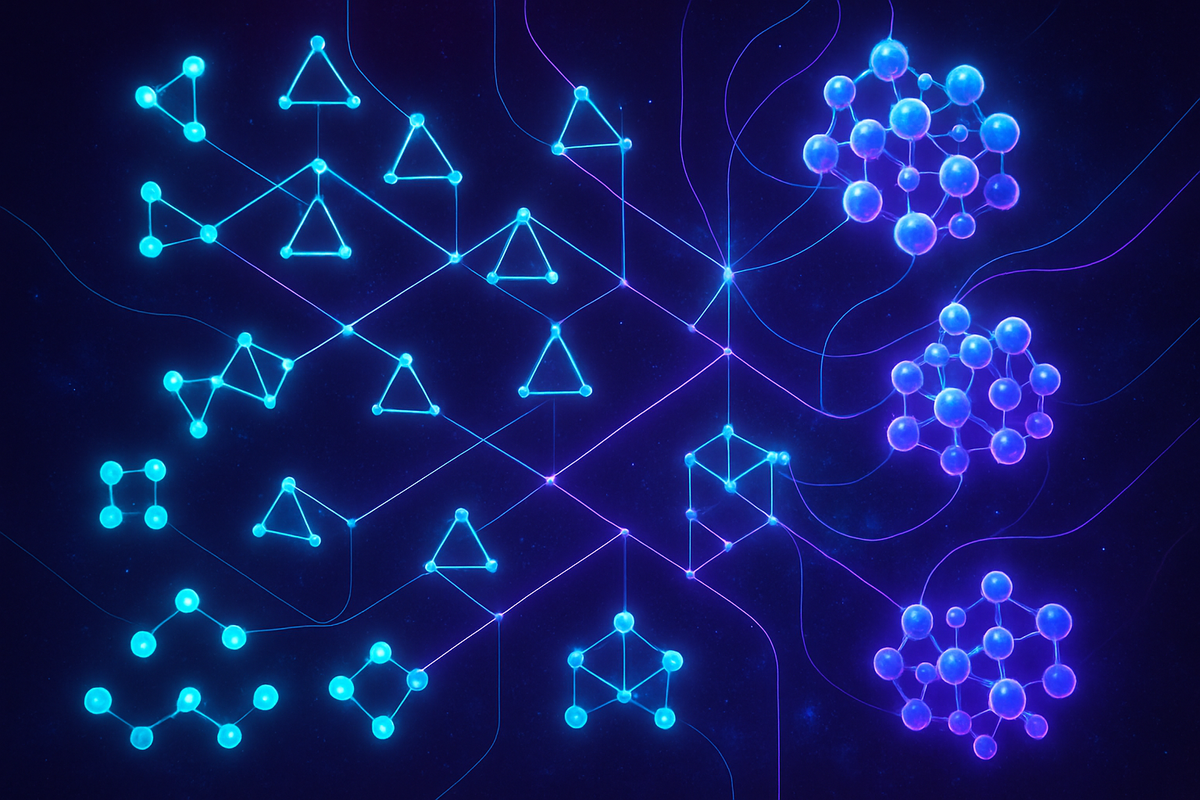
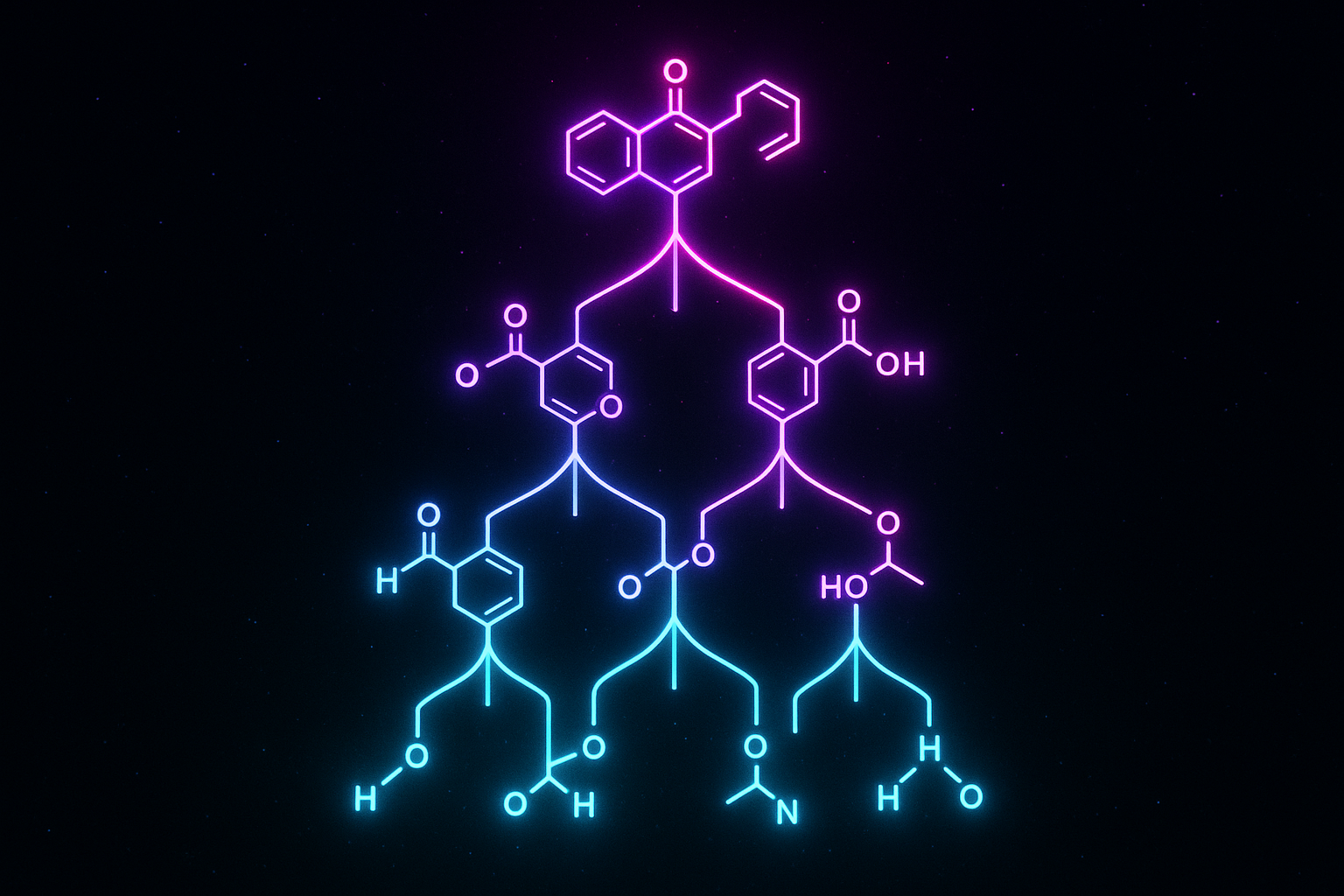
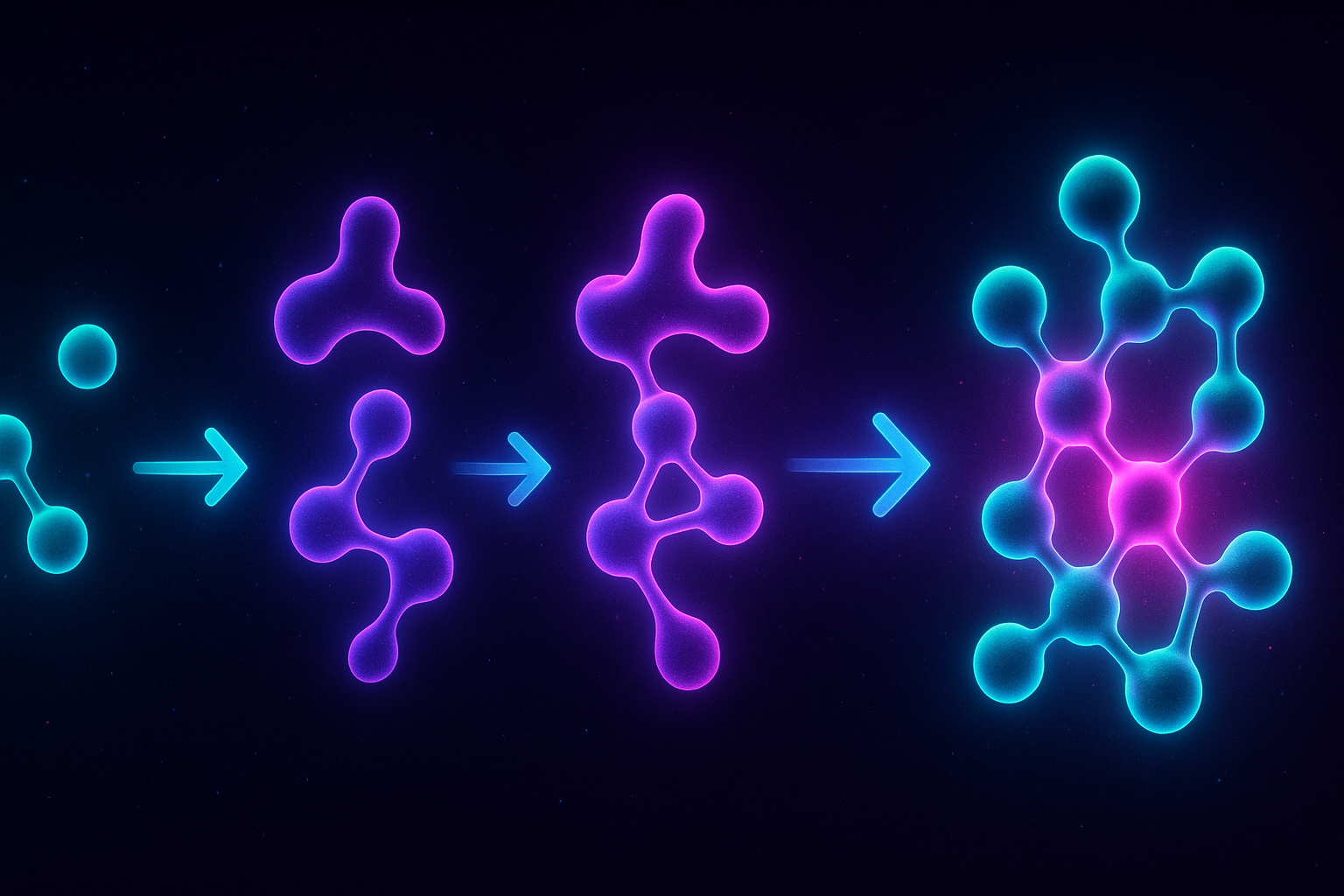
This is Lee Cronin's insight: complexity isn't about pattern or information. It's about history. It's about the minimum number of recursive assembly steps needed to construct something. And that number—the assembly index—might be a universal biosignature, a way to detect life anywhere in the universe without assuming anything about its biochemistry.

Assembly Theory is more than origin-of-life science. It's a new way of thinking about what it means for complex things to exist at all.

Why This Matters for Coherence

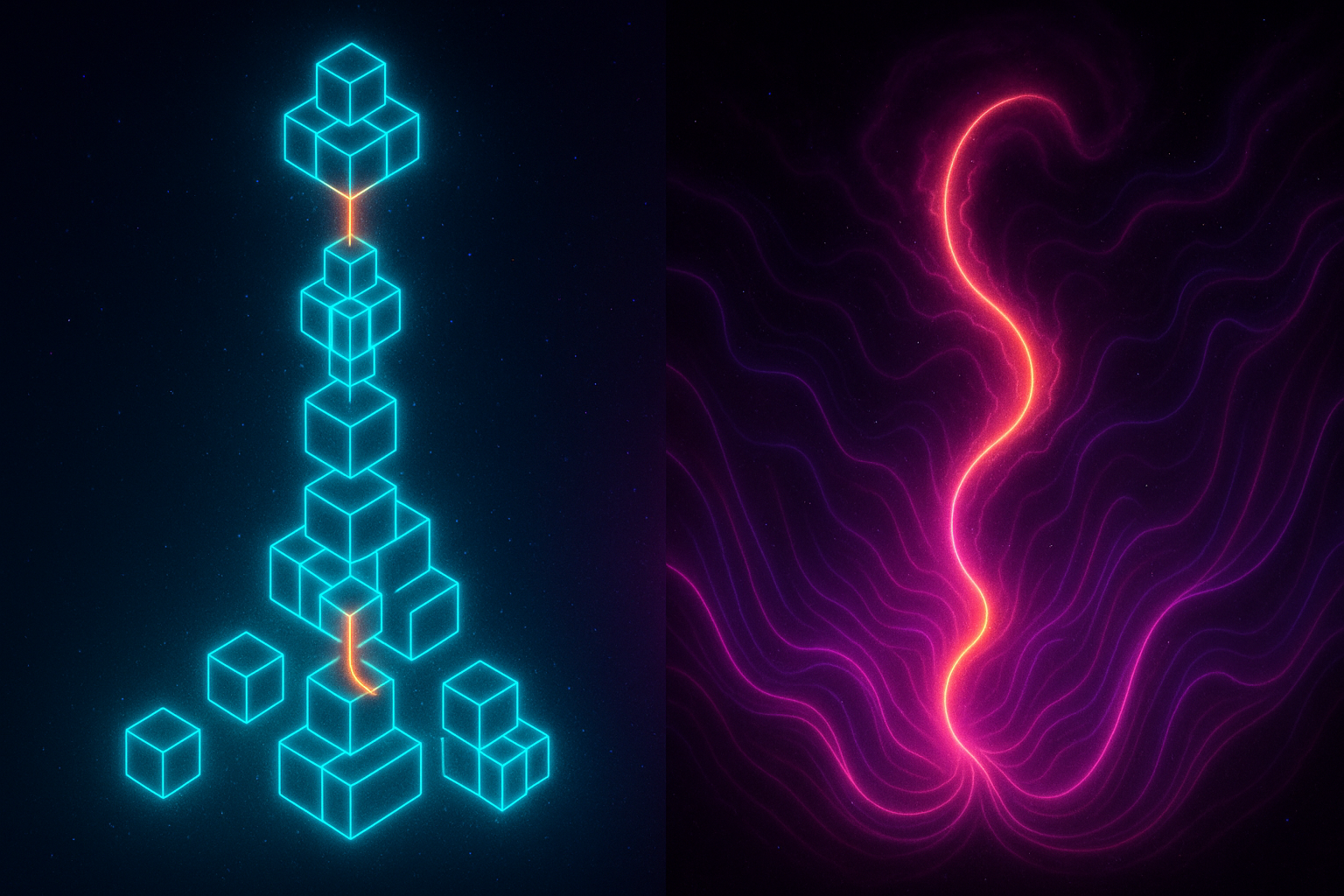
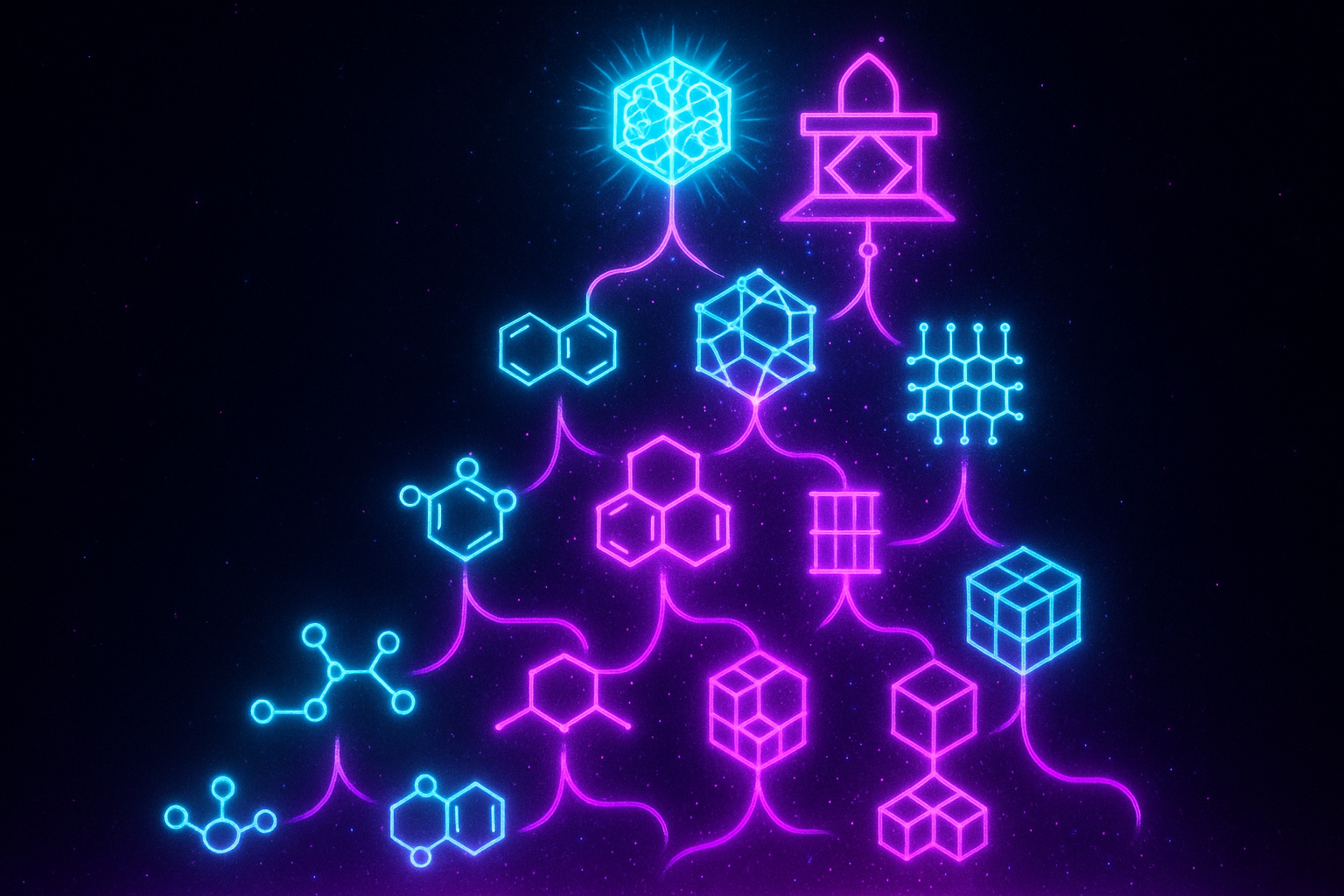
Coherence doesn't just happen. It has to be constructed, step by step, through processes that build on previous results. High assembly—the kind only found in biological molecules—requires selection, memory, and iterated construction. It's coherence made measurable.

Understanding assembly helps us understand how meaning itself gets built: not as patterns that spontaneously emerge, but as structures that can only exist because something maintained continuity across construction steps.

Articles in This Series
The Chemist Measuring Complexity: Lee Cronin and the Revolution in Origin-of-Life Science
Introduction to Assembly Theory - how Lee Cronin's work provides a new measure of complexity that might detect life anywhere.
Assembly Index: A New Way to Measure How Hard Something Is to Make
Deep dive into the assembly index - measuring the minimum number of steps needed to construct a molecule.
Why Life Chemistry Is Special: What Assembly Theory Reveals About Biological Molecules
How assembly index distinguishes biological molecules from random chemistry - high assembly requires selection.
Beyond Shannon: How Assembly Theory Differs from Information Theory
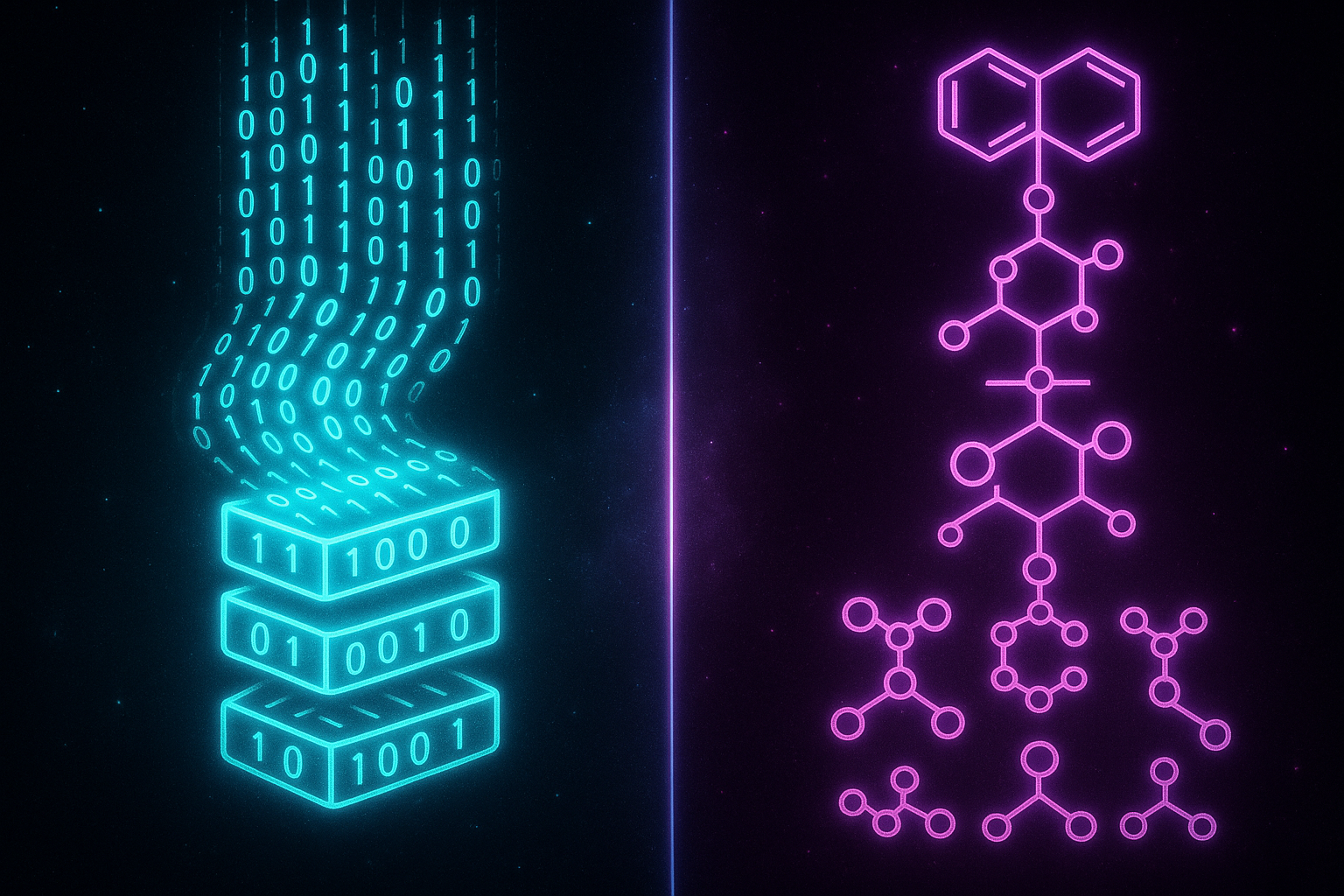
Comparing assembly index to Shannon information - why construction history matters beyond mere pattern.
Selection as Constructor: Where Assembly Theory Meets Constructor Theory
Bridging Assembly Theory to Constructor Theory - selection processes as constructors that enable complex assembly.
From Molecules to Meaning: Can Assembly Theory Scale to Cognitive Systems?
Speculative extension of assembly concepts to cognitive and cultural domains - assembly of ideas and meanings.
Detecting Life on Other Worlds: Assembly Theory's Cosmic Implications
How assembly index might detect biosignatures anywhere - a universal marker for life-like complexity.
Where Assembly Meets Free Energy: Two Theories of What It Takes to Persist
Connecting Assembly Theory to FEP - both address what it takes to maintain complex organization over time.
Synthesis: What Assembly Theory Teaches About the Construction of Meaning
Integration showing how Cronin's insights about molecular complexity illuminate AToM's claims about meaning construction.