Autopoiesis and Second-Order Cybernetics
What makes a cell alive but a flame not? Maturana and Varela's autopoiesis gives a rigorous answer: living systems are self-producing. This idea became the foundation for coherence science and embodied cognition.
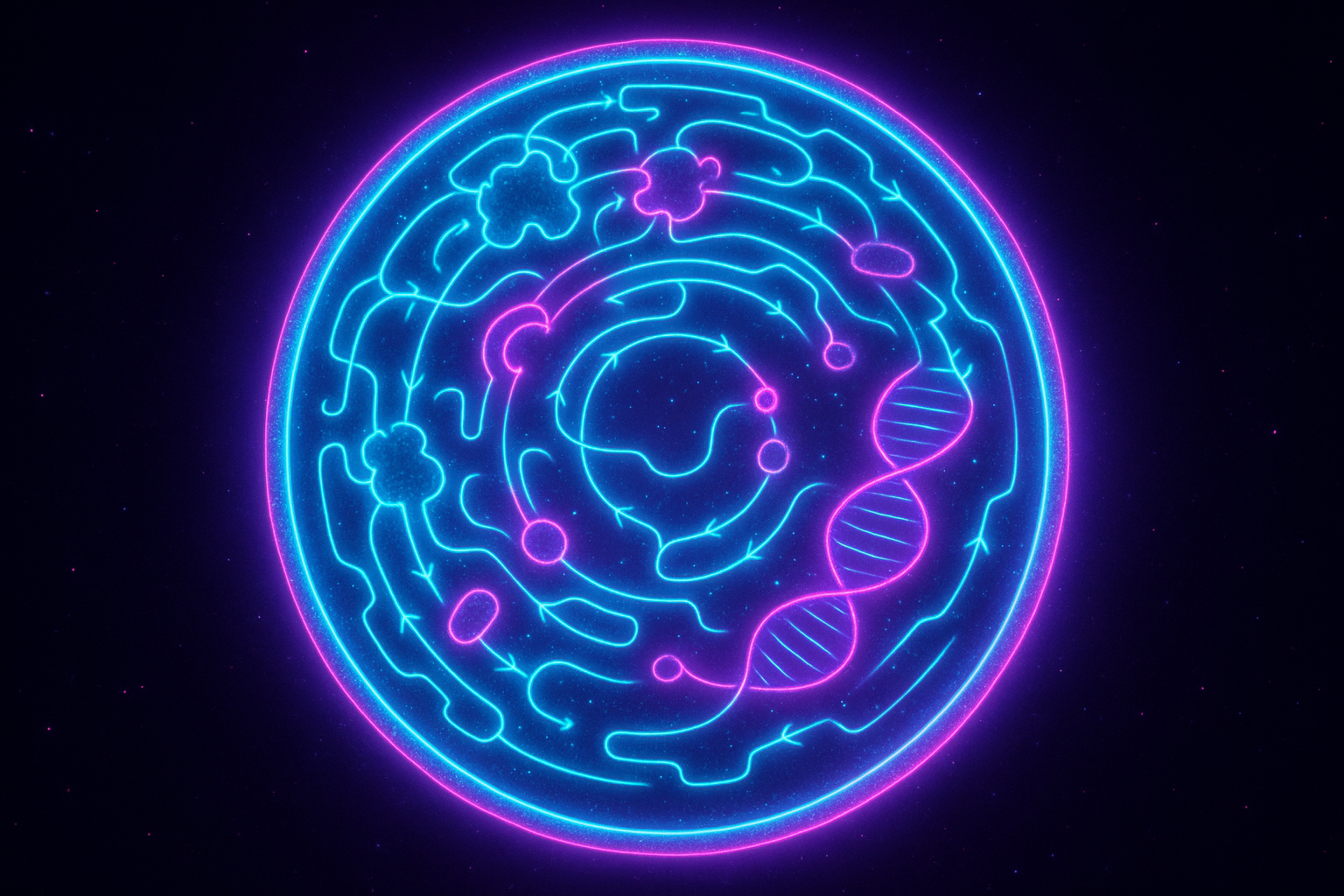
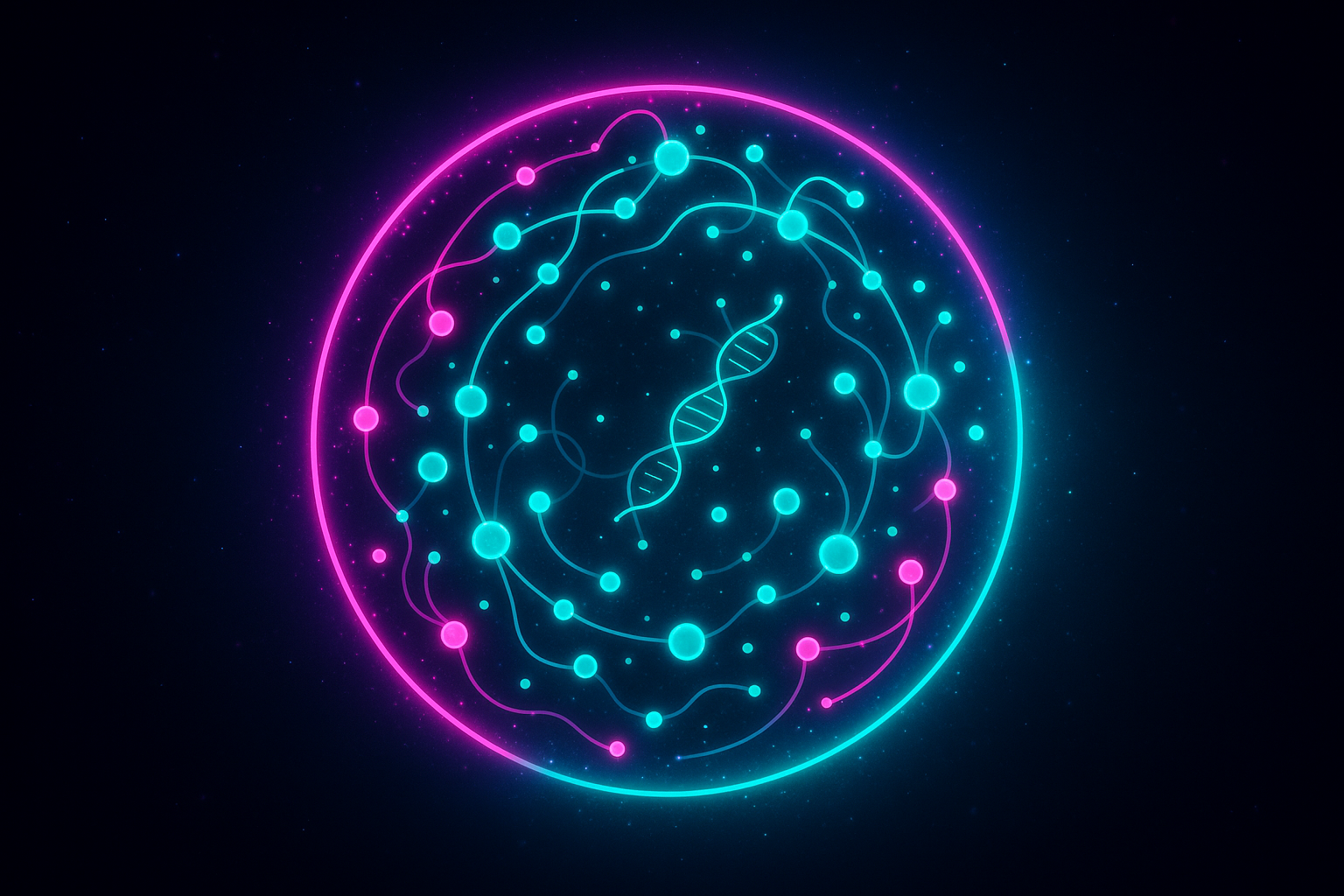
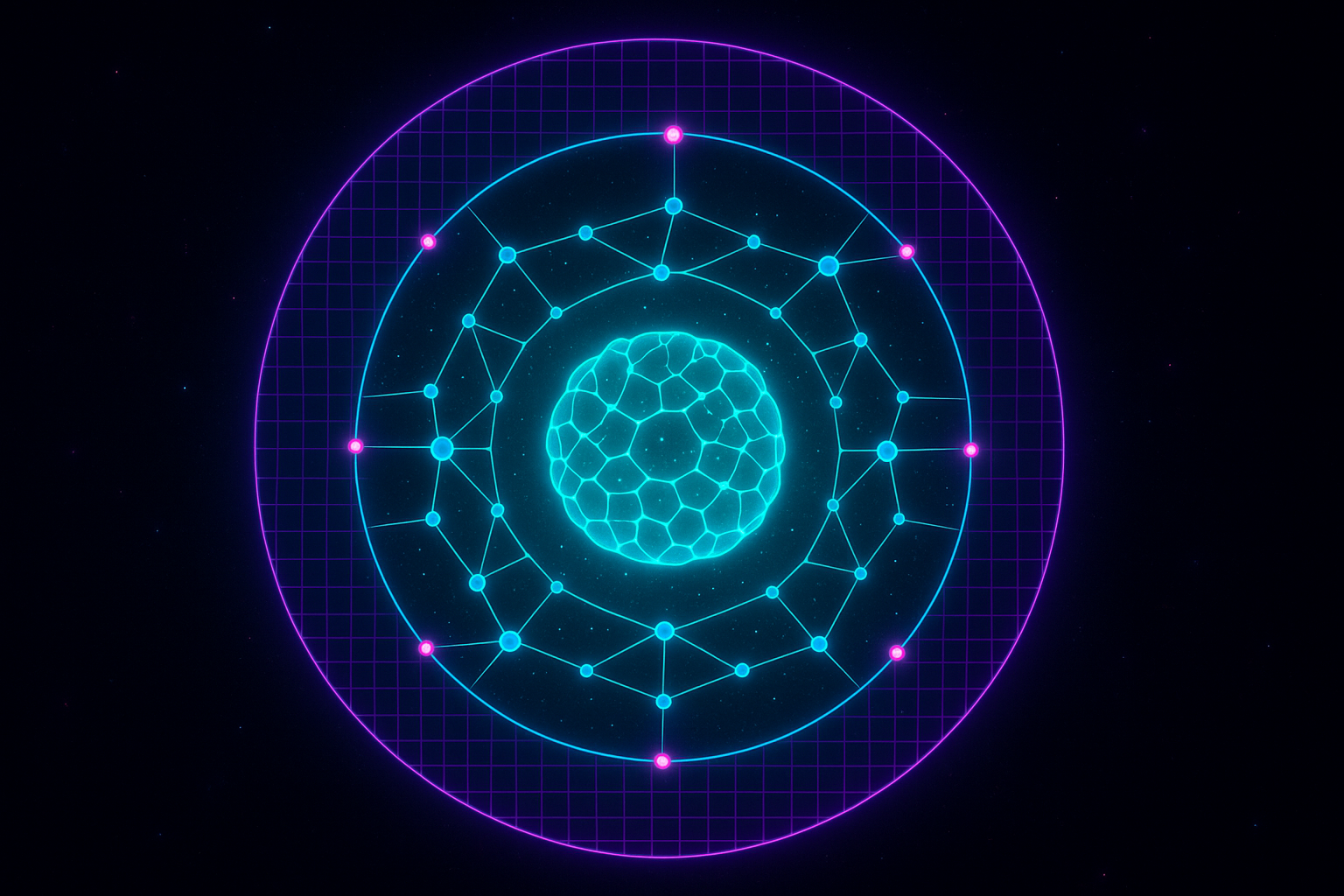
What makes something alive? Not what it's made of—the molecules in your body turn over completely every few years. Not what it does—plenty of non-living systems exhibit complex behavior. What makes you alive is that you make yourself. Continuously. Your cells produce the components that produce the cells that produce the components. You're a self-making system.
This is autopoiesis: the radical idea from biologists Humberto Maturana and Francisco Varela that living systems are defined by organizational closure—networks that produce their own components and maintain their own boundaries. And it changed everything: biology, cognitive science, philosophy, and systems theory.
Paired with Heinz von Foerster's second-order cybernetics—the recognition that observers cannot be separated from what they observe—these frameworks transformed how we think about autonomy, cognition, and what it means for systems to maintain themselves.
Why This Matters for Coherence
Autopoietic systems are coherence-maintaining systems. They're organized to preserve their own organization across time and perturbation. Understanding autopoiesis means understanding how systems create and maintain boundaries, how they distinguish self from environment, and how cognition emerges from the activity of self-producing networks.
Second-order cybernetics adds a crucial insight: the observer is part of the system being observed. Coherence isn't something objective we measure from outside. It's something we participate in constructing through the act of observation.
What This Series Covers
This series explores autopoiesis and second-order cybernetics as foundational frameworks for understanding self-organizing systems and embodied cognition. We'll examine:
- What organizational closure means and why it defines life
- How second-order cybernetics includes the observer in the system
- Structural coupling as the mechanism of interaction between autonomous systems
- Enaction and the bridge to 4E cognitive science
- How Niklas Luhmann extended autopoiesis to social systems
- Connections between autopoiesis and active inference
- Ethical implications of recognizing autonomous systems
- What autopoiesis teaches us about self-making meaning
By the end of this series, you'll understand why the question "What makes systems autonomous?" has an answer about self-production, not components—and why that answer illuminates everything from cells to societies to the nature of cognition itself.
Articles in This Series
Comments ()