Basal Cognition
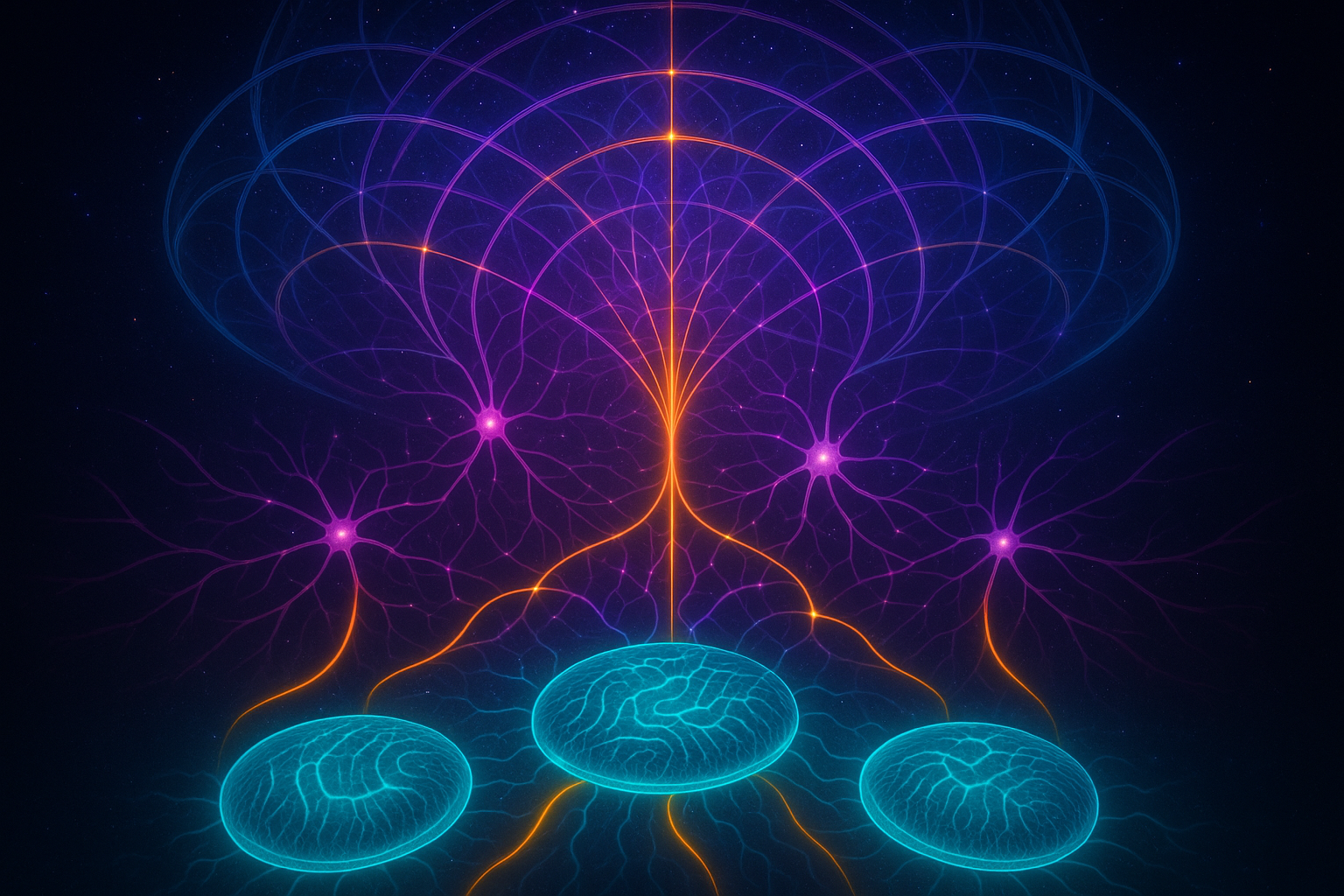
Michael Levin's work on bioelectric fields suggests that single cells solve spatial problems and make decisions—without any neurons. Cognition, it turns out, may predate the brain by hundreds of millions of years.

Basal Cognition
Your cells are thinking. Not metaphorically. Actually thinking.
They're making decisions, storing memories, solving problems, and coordinating with their neighbors to build and maintain the impossibly complex thing you call a body. They do this without neurons, without brains, without anything resembling what we typically call "cognitive architecture." And yet they exhibit all the hallmarks of intelligence: goal-directedness, adaptability, learning, and communication.
This is basal cognition—the revolutionary idea that intelligence isn't something that suddenly appeared with neurons, but something that extends all the way down to the cellular level and beyond.
Why This Matters for Coherence
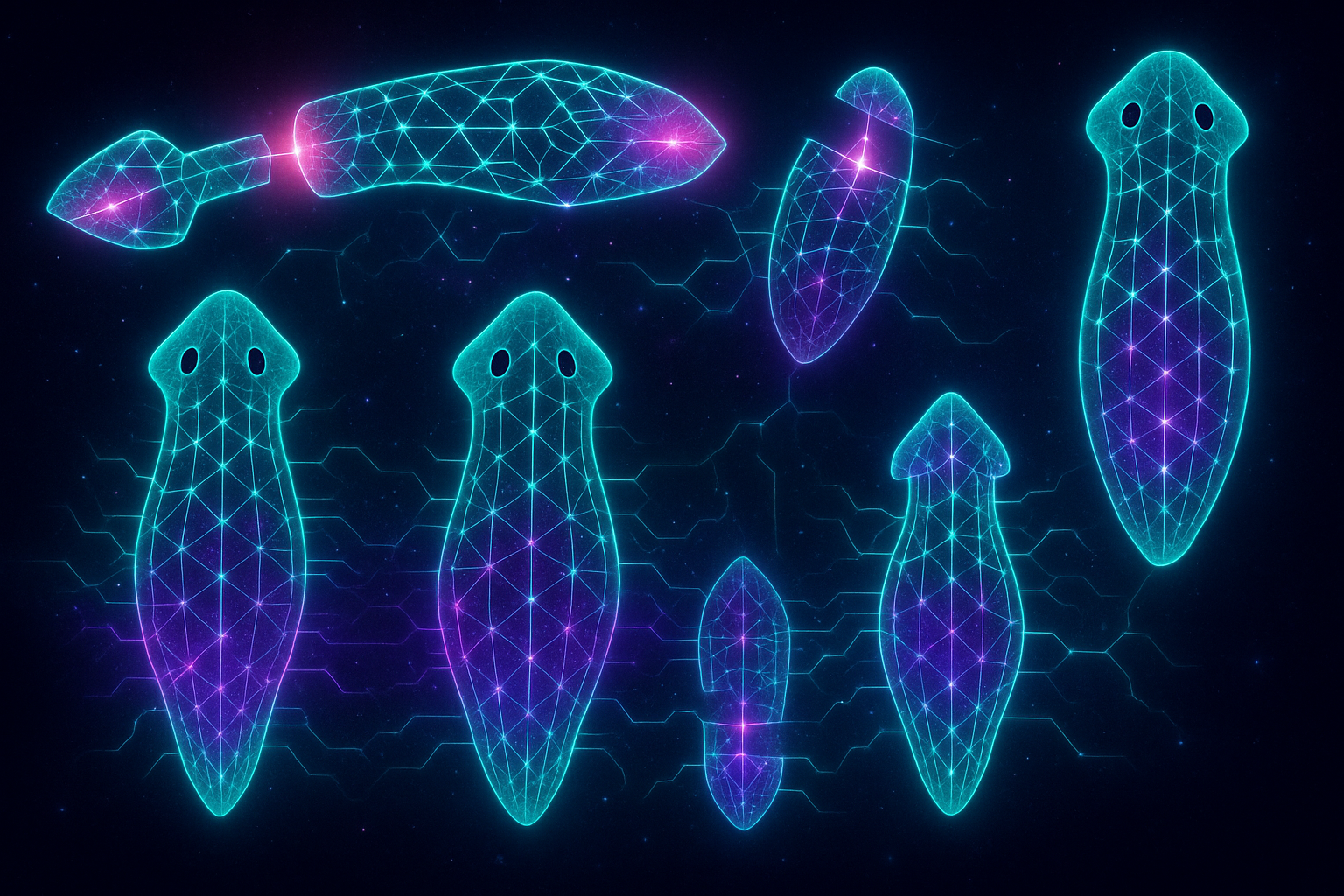
If you're trying to understand what meaning is, where it comes from, and how systems maintain themselves across time, you can't start with humans and work your way down. You have to start at the bottom and work your way up. Because the same principles that allow a collection of cells to reliably regenerate a flatworm's head also govern how your nervous system maintains your sense of self, how communities coordinate around shared values, and how meaning emerges from pattern.
Basal cognition isn't just biology. It's the foundation for understanding coherence at every scale.
Articles in This Series
Comments ()