Checkpoint Inhibitors: Releasing the Brakes on Cancer
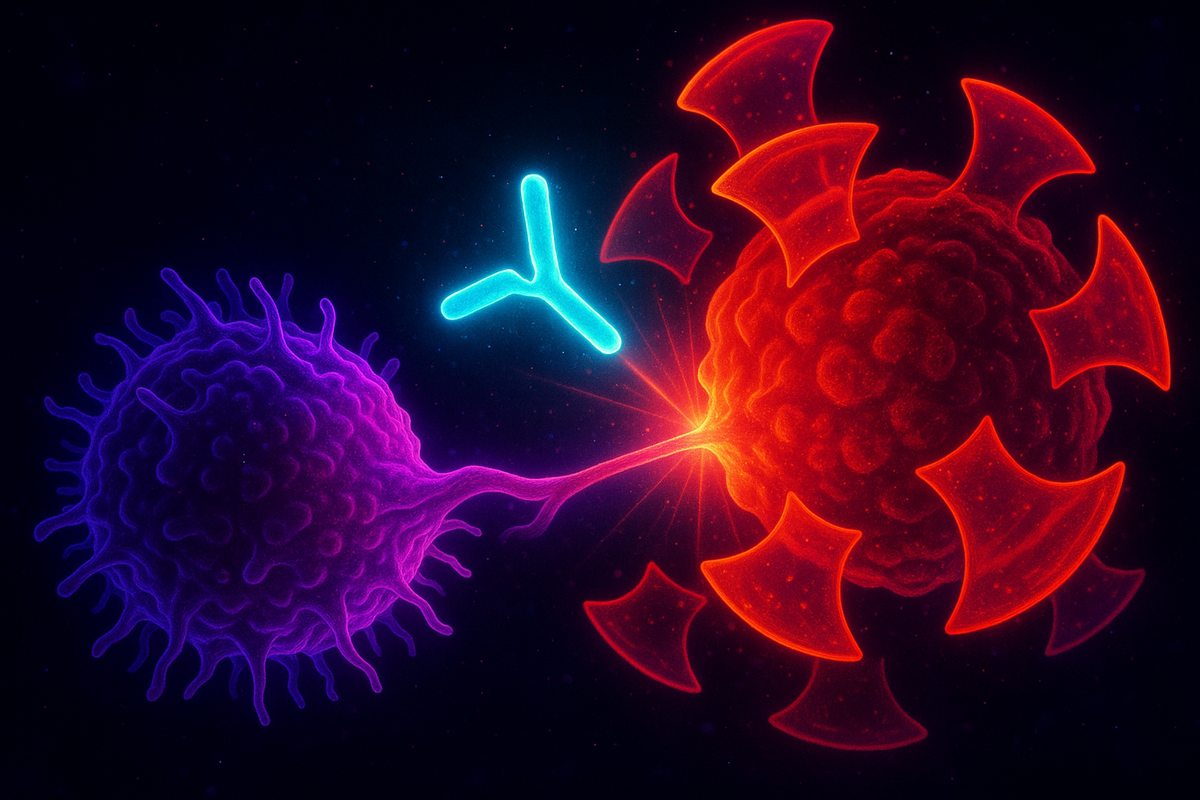
Cancer's cleverest trick is convincing your immune system to stand down. Checkpoint inhibitors reverse that signal, releasing the brakes and letting the immune system do what it was built to do.
Checkpoint Inhibitors: Releasing the Brakes on Cancer
Series: New Immunology | Part: 4 of 8 Primary Tag: FRONTIER SCIENCE Keywords: checkpoint inhibitors, PD-1, CTLA-4, cancer immunotherapy, James Allison, Tasuku Honjo, Nobel Prize
The Checkpoint Problem
Your immune system can absolutely kill cancer cells. Cancer cells are mutated, abnormal, producing weird proteins. To a T cell, they're recognizably wrong. So why don't T cells eliminate tumors automatically? Part of the answer is immune checkpoints—molecular brakes that normally prevent excessive immune responses. Checkpoints are essential for healthy immunity. Without them, T cells would attack too aggressively, causing autoimmunity and tissue damage. The checkpoints say: "Okay, you've seen enough danger signals. Time to calm down." CTLA-4 (cytotoxic T-lymphocyte-associated protein 4) is an early checkpoint. It competes with the activating receptor CD28 during T cell priming in lymph nodes. When CTLA-4 is engaged, T cell activation is dampened before it really gets going. PD-1 (programmed cell death protein 1) is a later checkpoint. It's expressed on activated T cells and engaged when they're in tissues. PD-1's ligands (PD-L1, PD-L2) are expressed on cells as a "don't kill me" signal. When PD-1 on a T cell binds PD-L1 on a target cell, the T cell becomes exhausted and stops attacking. Normal tissues express some PD-L1—it's part of preventing autoimmunity. But here's the key: tumors often overexpress PD-L1. They've evolved (or randomly acquired) the ability to display the "don't kill me" signal prominently, hiding from T cells that would otherwise destroy them. Cancer doesn't defeat the immune system by being invisible. It defeats it by pressing the brake pedal.
Releasing the Brakes
The therapeutic logic is elegant: block the checkpoint, release the brake, let T cells do their job. Anti-CTLA-4 antibodies (ipilimumab/Yervoy): Bind to CTLA-4 and prevent it from signaling. T cells in lymph nodes get fully activated rather than dampened. More activated T cells means more soldiers sent to attack the tumor. Anti-PD-1 antibodies (pembrolizumab/Keytruda, nivolumab/Opdivo): Bind to PD-1 and block its interaction with PD-L1. T cells in the tumor microenvironment don't receive the "stand down" signal. They keep attacking. Anti-PD-L1 antibodies (atezolizumab/Tecentriq, durvalumab/Imfinzi): Same idea, opposite approach. Block the ligand instead of the receptor. Tumor cells can't hide behind the "don't kill me" signal. The first checkpoint inhibitor approved was ipilimumab for metastatic melanoma in 2011. Before this, median survival for metastatic melanoma was measured in months. With ipilimumab, a subset of patients—maybe 20%—achieved long-term survival. Some are still alive today, more than a decade later. The PD-1 inhibitors came next, with even better results. In melanoma, response rates are around 40%. In some lung cancers, kidney cancers, bladder cancers, Hodgkin lymphoma, the numbers are similar or better. These drugs have become among the best-selling in pharmaceutical history. Keytruda alone generates over $20 billion annually.
Why It Works (When It Works)
Checkpoint inhibitors don't work for everyone. Understanding who responds and why is the central challenge in the field. Tumor mutational burden: Tumors with many mutations tend to respond better. More mutations mean more neoantigens—weird proteins that T cells can recognize. Melanoma and lung cancer (associated with UV damage and smoking, respectively) have high mutational burdens. Pancreatic cancer has low mutational burden and rarely responds to checkpoint inhibitors. Pre-existing immune infiltration: Tumors that already have T cells infiltrating them ("hot" tumors) respond better than tumors that are immunologically "cold." The checkpoint inhibitors release existing T cells from suppression; they can't create infiltration from scratch. PD-L1 expression: Tumors expressing high levels of PD-L1 are actively using that checkpoint, so blocking it matters more. PD-L1 staining is used as a biomarker to select patients, though it's imperfect. Microsatellite instability (MSI): Tumors with defective DNA mismatch repair accumulate mutations rapidly. These MSI-high tumors are highly immunogenic and often respond dramatically to checkpoint inhibitors—so much so that pembrolizumab was approved for any MSI-high solid tumor, regardless of tissue origin. It was the first tissue-agnostic cancer drug approval. Gut microbiome: Surprisingly, gut bacteria influence checkpoint inhibitor response. Certain microbiome compositions correlate with better responses. The mechanism isn't fully understood but may involve trained immunity and overall immune system calibration.
The Immune-Related Adverse Events
Here's the catch: when you release the brakes on the immune system, sometimes it attacks more than just cancer. Immune-related adverse events (irAEs) are side effects caused by the activated immune system attacking normal tissues. They can affect any organ:
- Skin: Rash, vitiligo
- GI: Colitis (inflammation of the colon), sometimes severe
- Liver: Hepatitis
- Lungs: Pneumonitis
- Endocrine: Thyroiditis, hypophysitis (inflammation of the pituitary), adrenal insufficiency
- Neurological: Neuropathy, encephalitis (rare but serious)
Most irAEs are manageable with steroids or other immunosuppressants. But some can be life-threatening. About 1-2% of patients on checkpoint inhibitors die from immune-related toxicity. The pattern makes sense: you're removing the safeguards that prevent autoimmunity. Some autoimmunity is the price of unleashing T cells against cancer. Interestingly, experiencing certain irAEs correlates with better cancer outcomes. Patients who develop vitiligo (autoimmune destruction of pigment cells—relevant because melanoma comes from the same cell type) tend to have better responses. The same T cells attacking normal melanocytes are also attacking melanoma.
Combination Therapy
If one checkpoint is good, are two better? Ipilimumab + Nivolumab (CTLA-4 + PD-1 blockade) was tested in melanoma. The results: higher response rates than either drug alone, with about 50-60% of patients responding. More impressively, the long-term survival curves show a "tail"—a fraction of patients whose disease is controlled for years. The combination also has more toxicity. About 50% of patients experience grade 3-4 adverse events (serious enough to require hospitalization or intervention). The risk-benefit calculation depends on the cancer and the patient. Other combinations are being explored:
- Checkpoint inhibitors + chemotherapy (chemo may release tumor antigens)
- Checkpoint inhibitors + targeted therapy
- Checkpoint inhibitors + radiation (abscopal effect—radiation of one tumor triggers immune response against distant tumors)
- Multiple checkpoint inhibitors (beyond CTLA-4 and PD-1, other checkpoints like LAG-3, TIM-3, TIGIT are being targeted)
The field is experimentally rich. Thousands of clinical trials are exploring combinations.
Who Doesn't Respond
Despite the successes, most cancer patients don't benefit from current checkpoint inhibitors: Immunologically cold tumors: Tumors that don't attract T cells, often because they've created an immunosuppressive microenvironment. No T cells to release means no benefit from releasing brakes. Low mutational burden tumors: Few neoantigens means T cells have nothing to target. Prostate cancer, most breast cancers, and many GI cancers fall here. Tumors with escape mechanisms: Some tumors lose MHC expression (so T cells can't see their antigens). Others produce immunosuppressive molecules. Removing one checkpoint doesn't help if other barriers exist. Patients with severe autoimmune conditions: You can't release immune brakes when the brakes are already barely working. The challenge now is extending checkpoint inhibitor benefits to more patients. This involves:
- Converting cold tumors to hot (with radiation, oncolytic viruses, or other stimuli)
- Combining with other immunotherapies (CAR-T, cancer vaccines)
- Identifying new checkpoints to target
- Personalizing treatment based on biomarkers
The Bigger Picture
Checkpoint inhibitors represent a paradigm shift in cancer treatment. For decades, the approach was: kill cancer cells directly (surgery, chemo, radiation, targeted therapy). Checkpoint inhibitors work indirectly: enable the immune system to kill cancer cells. This has several implications: Durable responses: When checkpoint inhibitors work, they often work for a long time. Unlike chemotherapy (where tumors frequently become resistant), immunotherapy can establish ongoing immune surveillance. Some patients are effectively "cured" in that their immune systems continue controlling the cancer indefinitely. Pan-cancer potential: Because the mechanism involves generic T cell function rather than cancer-specific pathways, checkpoint inhibitors can work across many cancer types. Keytruda is approved for more than 20 different cancers. The immune system as platform: Once you're modulating immunity, you can combine with other immune-based approaches. The checkpoint inhibitor revolution enabled the broader immuno-oncology field. Cancer as immune failure: The success of immunotherapy reinforces that cancer is, in part, a failure of immune surveillance. Understanding why some cancers evade immunity (and how to prevent it) becomes as important as understanding cancer cell biology.
The Coherence Frame
From a coherence perspective, cancer is a failure of the boundary between self and aberrant-self. Tumor cells are derived from self-tissue; they share most of their proteins with normal cells. The immune system must detect the subtle differences (neoantigens, stress signals) while tolerating the vast overlap. Checkpoints exist to maintain coherence between immune response and threat level. They prevent overreaction—autoimmune destruction of healthy tissue. Tumors exploit these coherence-maintaining mechanisms to pass as harmless. Checkpoint inhibitors recalibrate the threshold. They lower the bar for what counts as "threatening enough to attack." This recovers the ability to eliminate tumors but at the cost of more false positives (autoimmunity). The therapeutic challenge is finding the right calibration—aggressive enough to kill cancer, selective enough to spare normal tissue. It's a coherence optimization problem. The patients who respond best are those whose tumors are most obviously different from self (high mutational burden), making the discrimination problem easier. The patients who don't respond have tumors that blend too seamlessly with self, even with recalibrated thresholds.
Further Reading
- Allison, J.P. (2015). "Immune Checkpoint Blockade in Cancer Therapy." JAMA.
- Ribas, A. & Wolchok, J.D. (2018). "Cancer immunotherapy using checkpoint blockade." Science.
- Sharma, P. & Allison, J.P. (2015). "The future of immune checkpoint therapy." Science.
- Wei, S.C. et al. (2018). "Fundamental Mechanisms of Immune Checkpoint Blockade Therapy." Cancer Discovery.
This is Part 4 of the New Immunology series, exploring the frontier of how immunity shapes health and disease. Next: "CAR-T: Engineering Immune Cells to Hunt Cancer."


Comments ()