Cliodynamics
Can mathematics predict when societies will destabilize? Cliodynamics — Peter Turchin's brainchild — applies structural-demographic theory to history and keeps making uncomfortably accurate forecasts.
Cliodynamics
In 2010, Peter Turchin made a prediction that raised eyebrows: American political instability would peak around 2020. His forecast came from mathematical models tracking elite overproduction, declining wellbeing, and state fiscal stress—patterns that recur in civilizations with clockwork regularity.
He was right.
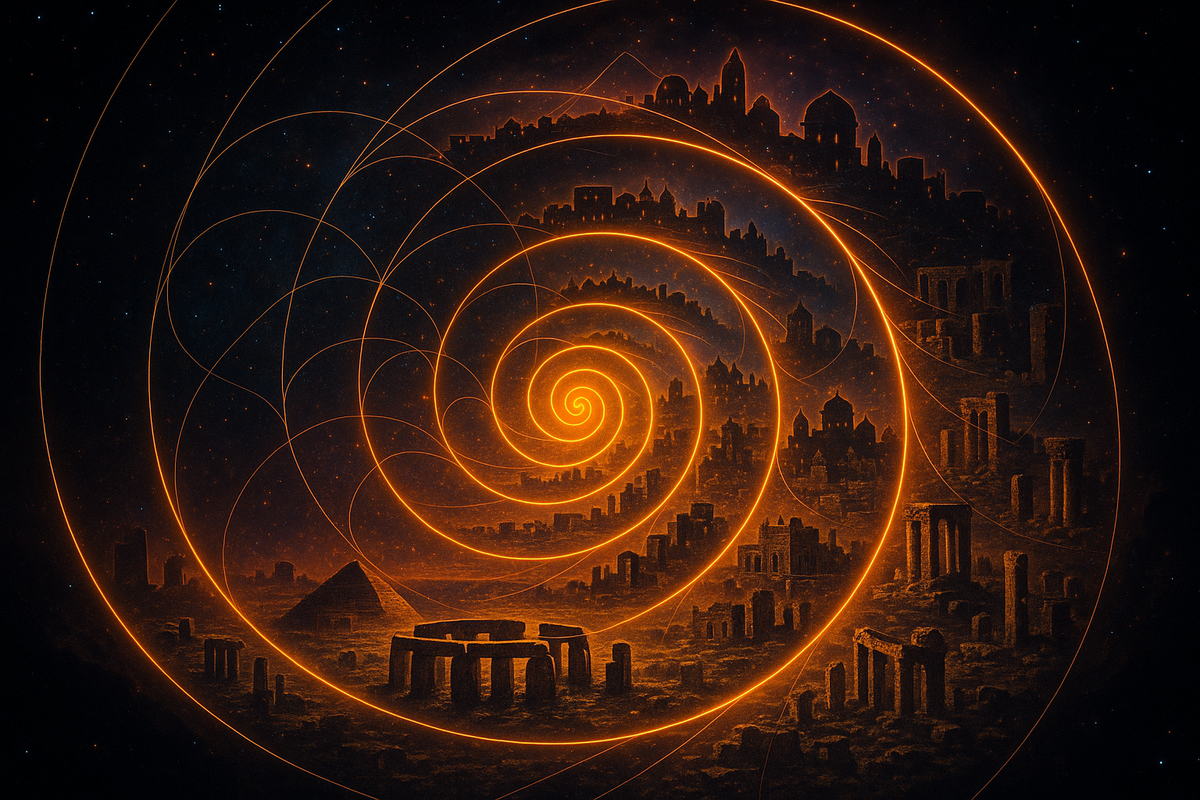
Cliodynamics is the science of using mathematical models to understand historical dynamics. Not as metaphor. As actual mathematics. Secular cycles running 200–300 years. Elite competition producing revolutionary pressure. Cultural coherence fragmenting under strain. The same geometric patterns appearing across Rome, Tang China, early modern France, and contemporary America.
Turchin's work isn't prophecy. It's coherence geometry applied to civilizations.
Why This Matters for Understanding Coherence
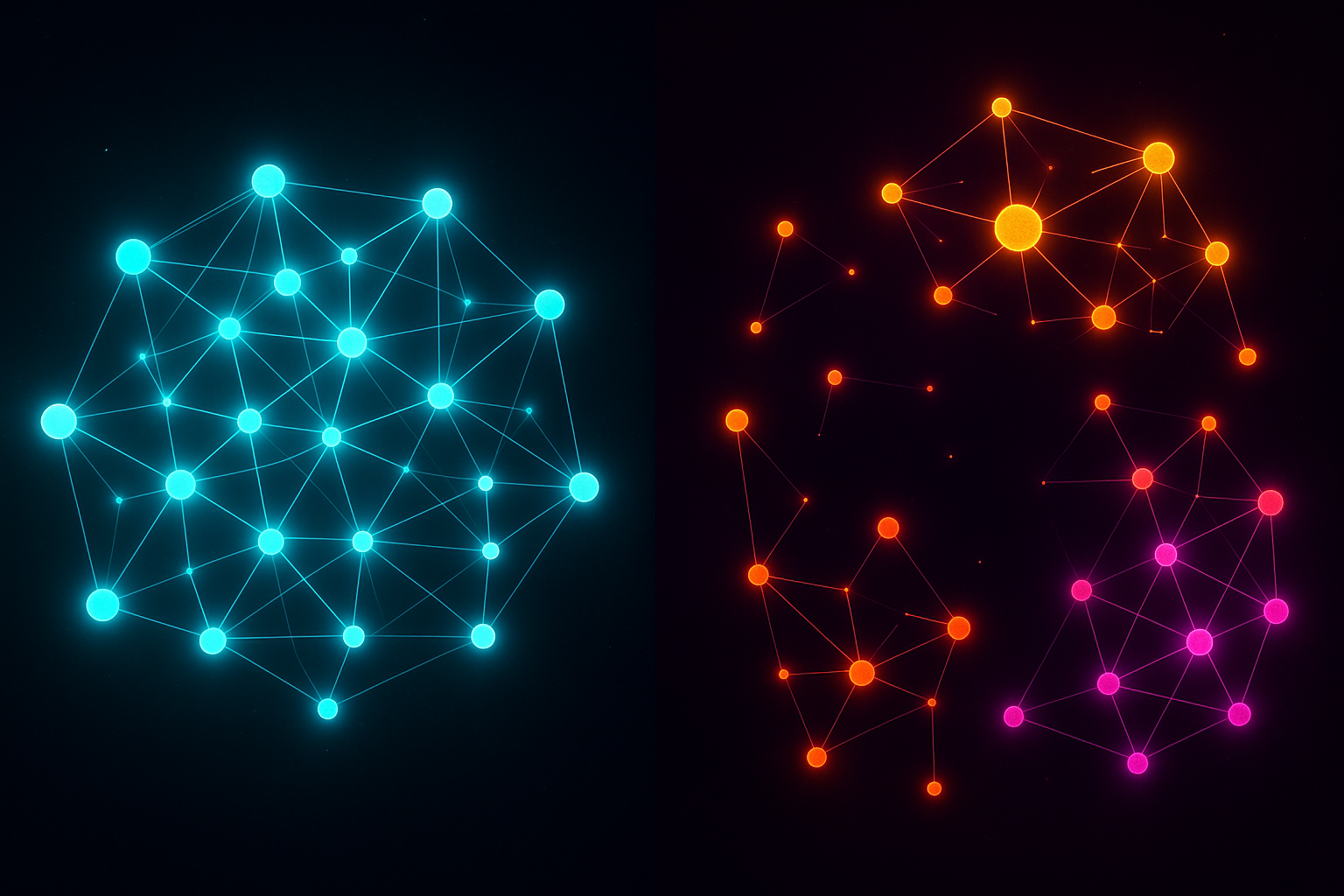
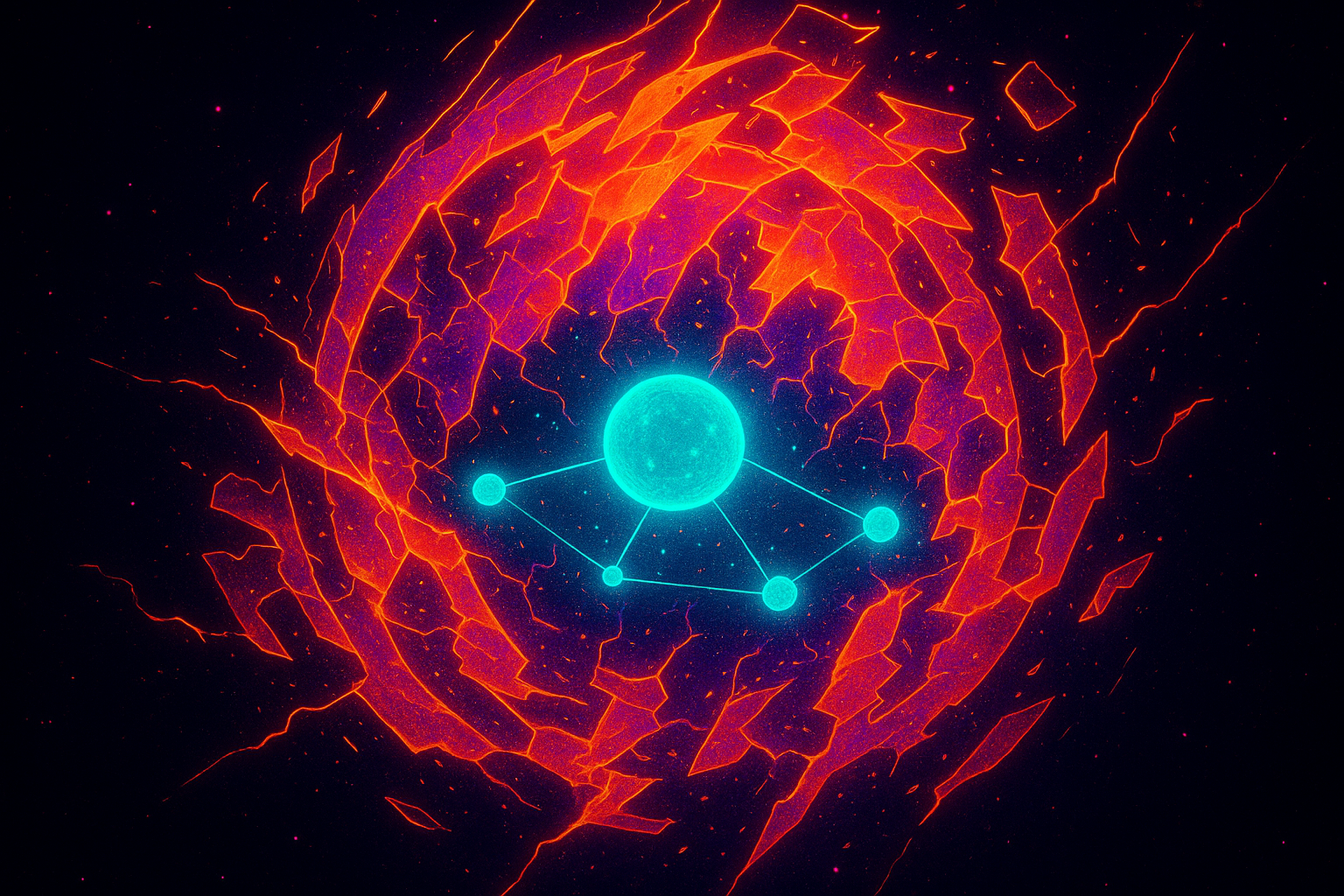
When societies integrate, they build shared infrastructure, stable institutions, and unified narratives. Meaning flows easily because the channels are clear. But integration carries the seeds of its own undoing: population growth, elite overproduction, rising complexity, and accumulated inequality eventually push societies into disintegrative phases. Curvature increases. Coordination breaks down. What worked stops working.
This isn't moral decline. It's structural-demographic dynamics—mathematical relationships between population, resources, elite competition, and state capacity that determine whether civilizations cohere or fracture.
Cliodynamics reveals that history has shape. The same curvature dynamics governing individual nervous systems and interpersonal relationships operate at civilization scale. Societies move through attractor states: integrative phases with low curvature and shared meaning, disintegrative phases with high curvature and narrative fragmentation, followed by collapse and renewal.
Understanding these patterns won't stop the cycles. But it clarifies what's happening, what to expect, and where individual action matters.
Articles in This Series








Comments ()