The CRISPR Revolution
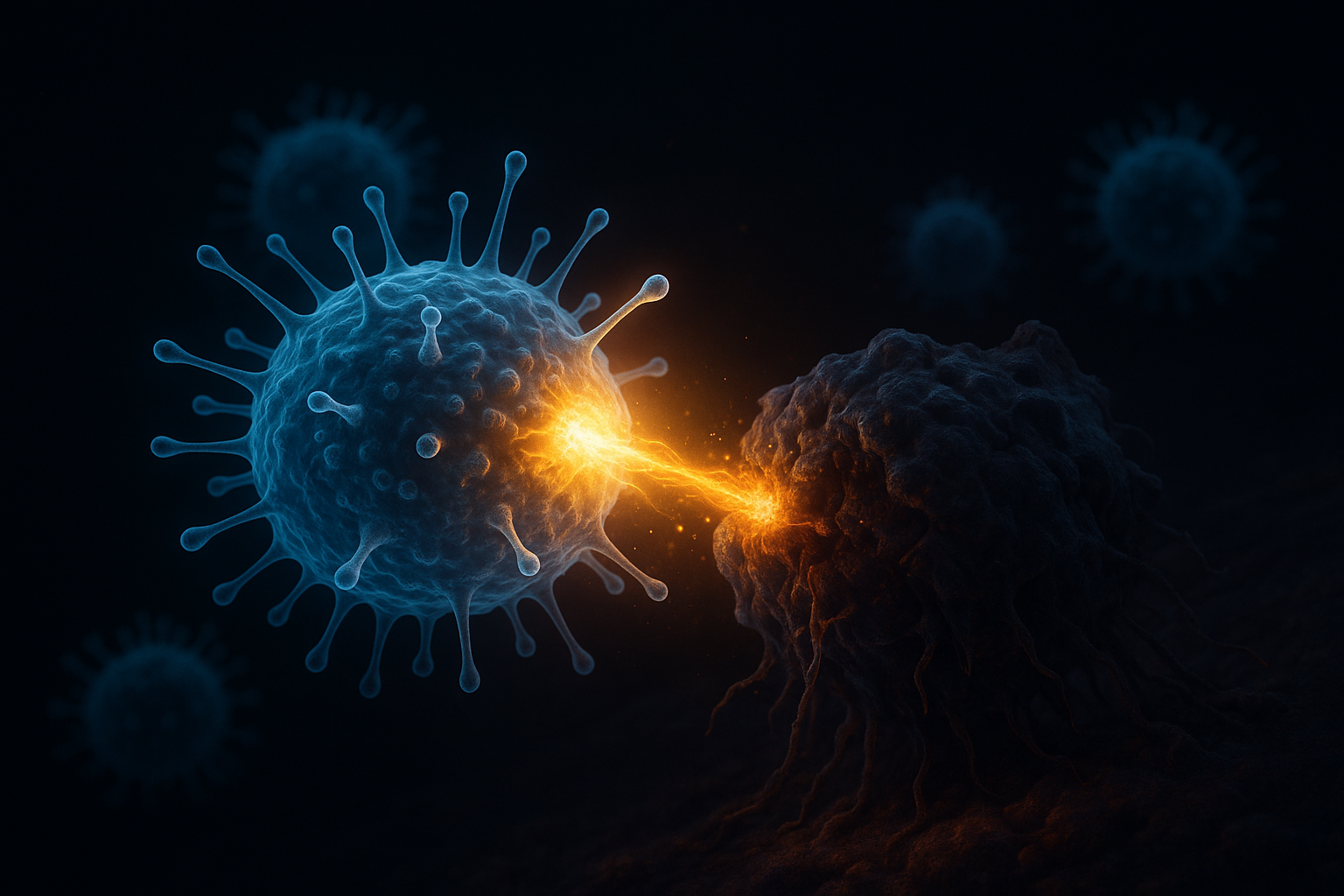
Bacteria have been fighting viruses for three billion years. Somewhere in that war, they evolved something extraordinary: an immune system that remembers. It keeps molecular mugshots of every virus that's ever attacked, and if they show up again, it hunts them down with programmable precision.
In 2012, two scientists figured out how to steal it.
Now we can point it at any gene we want, in any organism, and cut. Done. The source code of life became editable.
And here's the thing that should make your brain do a double-take: a grad student can now do in a week what took a PhD five years ago. The barrier between "impossible" and "Tuesday afternoon" collapsed. We went from "maybe someday we'll fix genetic diseases" to "we cured sickle cell in 2023 and cancer immunotherapy is next."
The future arrived. Most people just haven't noticed yet.
The Core Insight
CRISPR didn't invent gene editing—it made it cheap, fast, and terrifyingly easy.
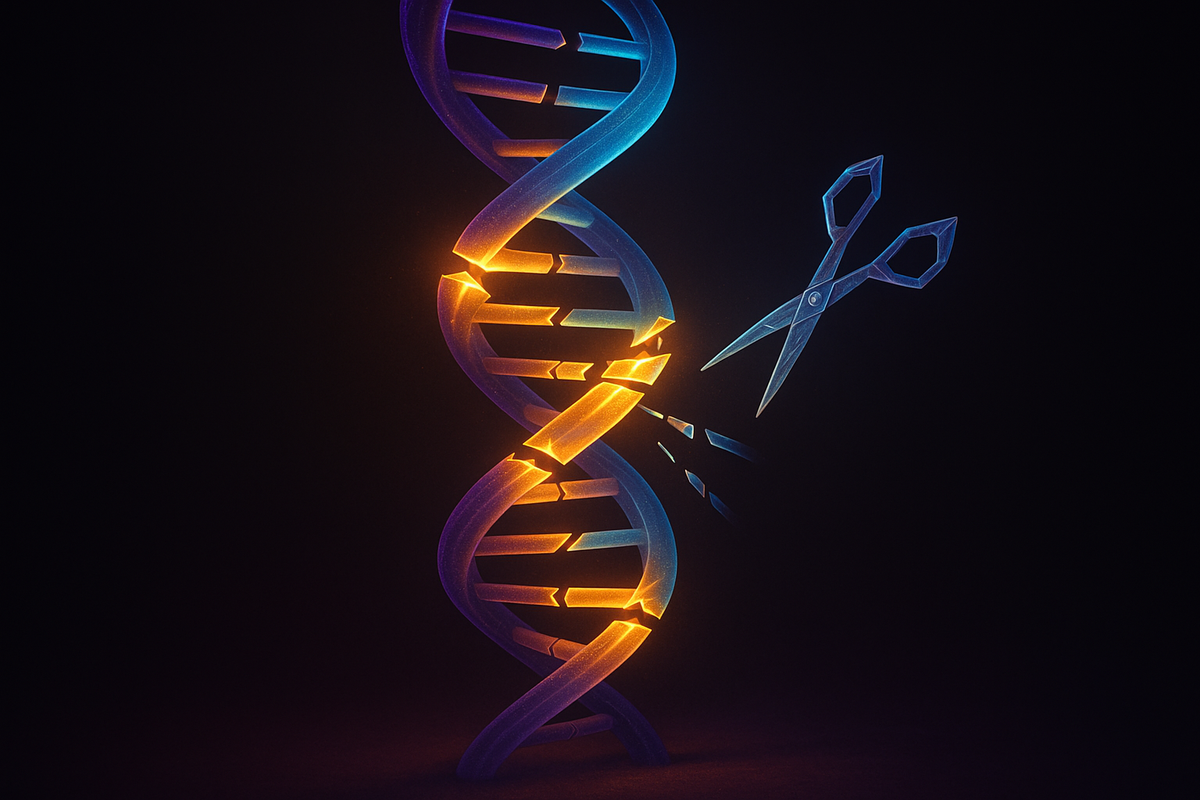
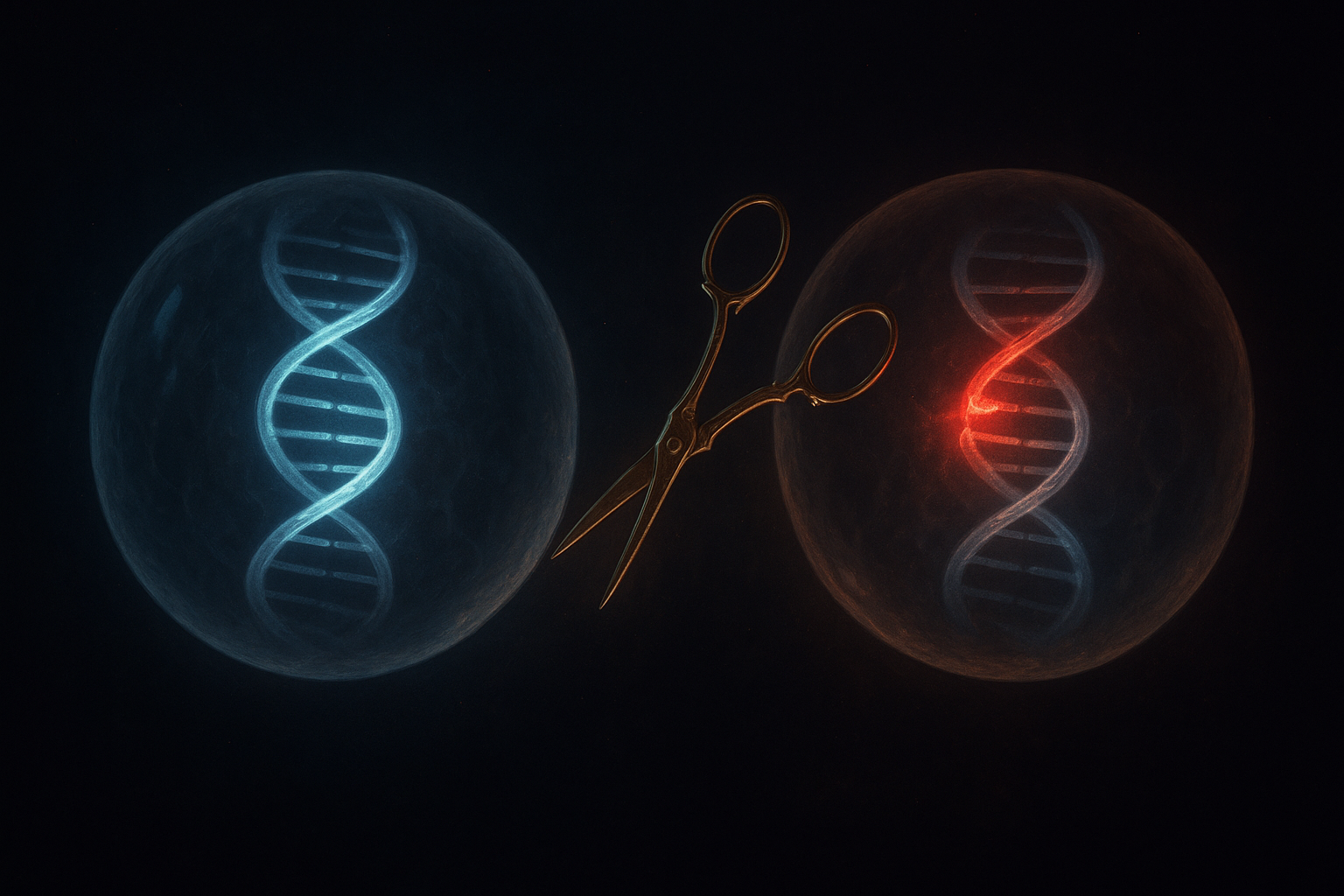
Before CRISPR, editing a gene required custom-engineering proteins for every target, months of lab work, and failure rates that made most projects impractical. After CRISPR, you program a guide RNA, mix it with Cas9 protein, and the molecular scissors go exactly where you point them.
It's spell-check for DNA. Except the typos we're fixing can kill you, and the corrections are permanent.
That shift—from "heroic feat of molecular biology" to "standard lab technique"—is what makes this a revolution. The technology is no longer the bottleneck. The first breakthrough was understanding how bacteria's ancient immune system worked—how Cas9 could be hijacked and reprogrammed to target any DNA sequence we chose. Jennifer Doudna and Emmanuelle Charpentier turned three billion years of bacterial evolution into a tool we can hold in our hands.
But that was just the beginning. Base editing and prime editing came next—David Liu's next-generation tools that don't just cut DNA, they rewrite it letter by letter, without ever breaking the strand. CRISPR 2.0. Precision at the level of single nucleotides.
Then things got complicated.
The Series: Science, Medicine, Ethics, and the Questions We're Not Ready For
In 2018, a Chinese scientist named He Jiankui announced he'd created the first gene-edited humans—twin girls with CCR5 genes modified to resist HIV. He expected applause. He got prison. The scandal forced a global reckoning: just because we can edit human embryos doesn't mean we've figured out whether we should.
But that ethical Rubicon? We're already standing on the other side.
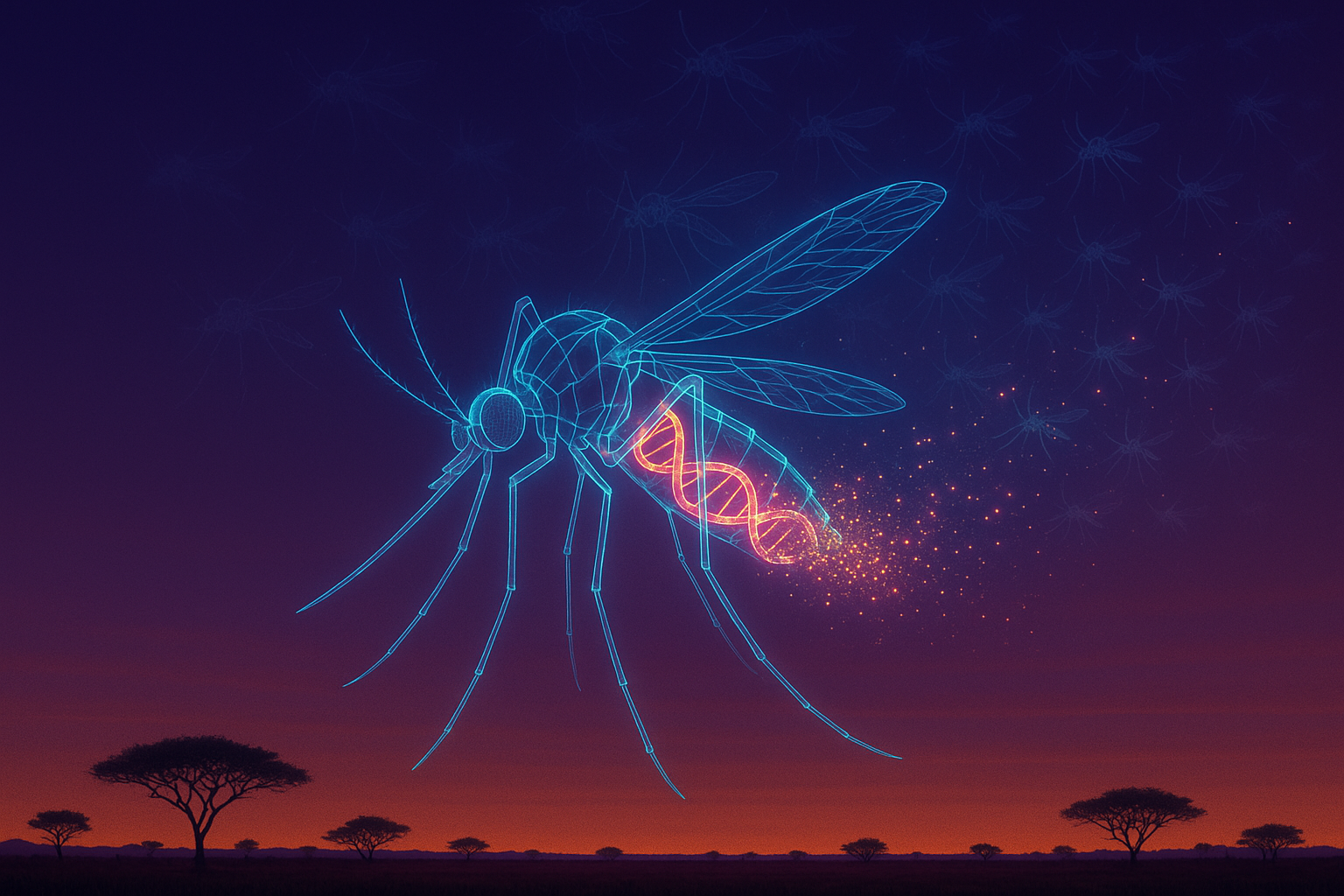
Because while the world was arguing about designer babies, gene drives emerged—a way to edit not just individuals, but entire wild populations. We could eliminate malaria-carrying mosquitoes. We could also cause ecological collapse we can't undo. Evolution itself became programmable. Should we pull that trigger?
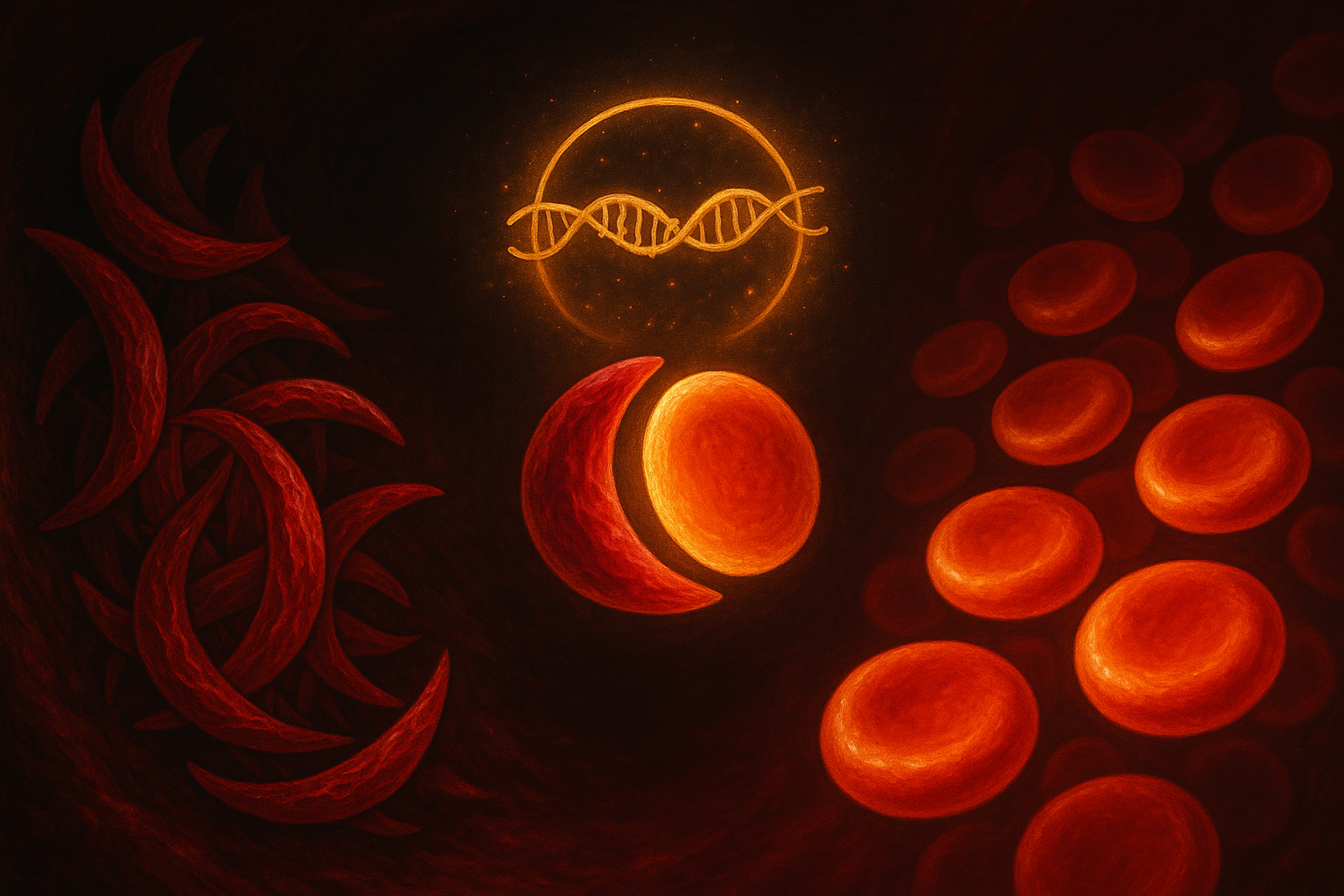
Meanwhile, the medicine kept advancing. Victoria Gray was the first sickle cell patient treated with CRISPR therapy in 2019. She hasn't had a pain crisis in years. The FDA approved Casgevy in 2023—the first CRISPR-based treatment to hit the market. This is what curing genetic disease looks like. One patient at a time, for $2.2 million a pop.
It works. But it's not perfect. Off-target effects remain the nightmare scenario—what happens when your molecular scissors cut in the wrong place? Mosaicism, unintended mutations, consequences we won't see for years. The safety question that keeps researchers up at night.
And then there's CAR-T therapy, where gene editing meets cancer treatment. Engineers reprogram a patient's own immune cells to recognize and destroy tumors. It's the most personalized medicine ever created—and it's already saving lives that would have been lost a decade ago.
What Comes Next
We have edit access to the genome. The cursor is blinking.
The edited future isn't science fiction—it's already here. Gene therapy is transitioning from "experimental" to "standard of care" for certain diseases. Enhancement isn't far behind. The line between "fixing what's broken" and "improving what works" is thinner than we pretend.
The question isn't whether gene editing will transform medicine, agriculture, and human biology. It will. The question is whether we'll do it wisely—or whether we'll edit first and understand later.
Through the lens of coherence, gene editing is about rewriting the instructions that cells use to maintain themselves. Genes are the constraints that define what a system can become. Change the constraints, and you change the possibility space. But coherence doesn't just mean "working correctly"—it means working in context, as part of a larger system. Edit one gene, and you're changing relationships across the entire network.
That's the thing about editing source code: every change cascades.
Start with CRISPR: The Gene Editing Revolution to understand how we hijacked bacterial immunity and turned it into the most powerful tool in biology.

Comments ()