Culture and Transmission
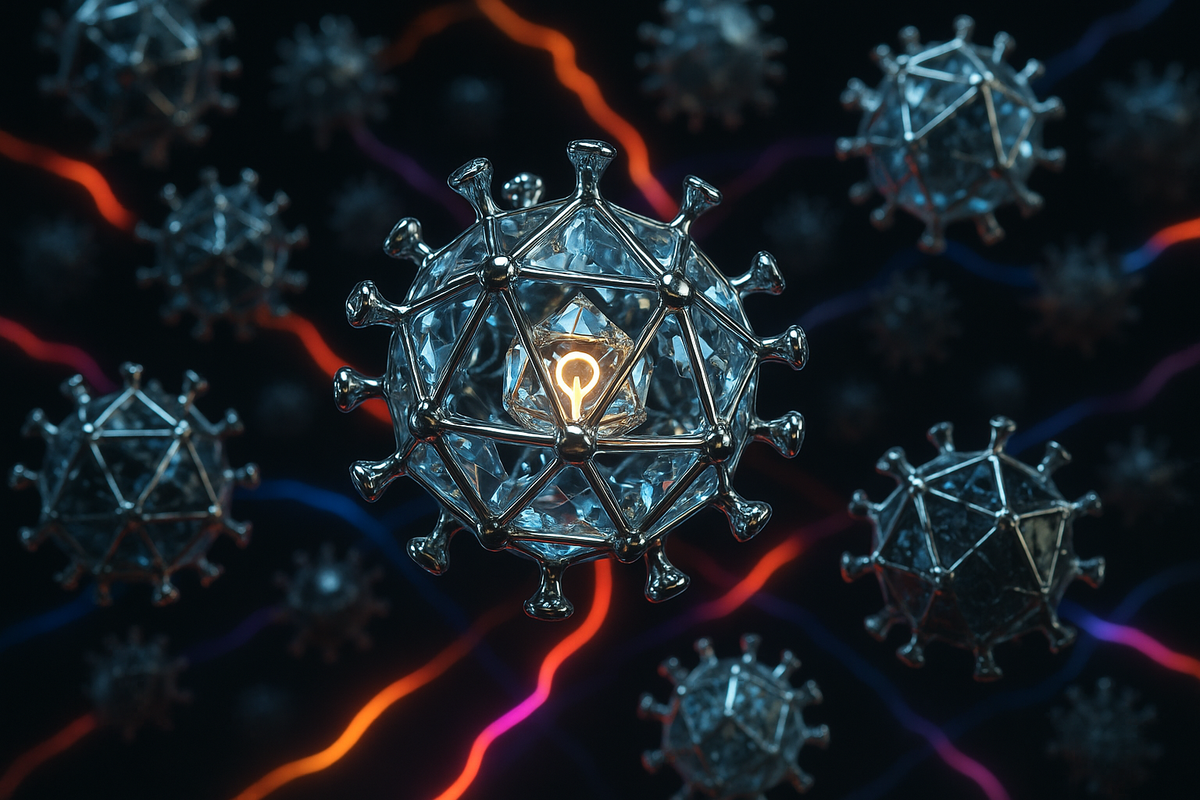
How meaning propagates.
Culture is not just content. It is a transmission system. Stories, memes, rituals, archetypes, status signals, fandoms, and moral languages move through groups because they fit human cognitive architecture. Some ideas are forgettable. Some are sticky. Some organize lives for centuries. Some hijack attention for a week and leave nothing behind.
This hub studies the machinery of spread: why certain forms catch, why others mutate, and how meaning survives by compressing itself into memorable shapes.
Cognitive Mythology
Cognitive Mythology treats myths as compression algorithms. The hero, the trickster, the shadow, the sacred journey, the forbidden threshold: these patterns recur because they encode navigational structures human minds can remember and reuse.
The series draws on cognitive science, Propp, Campbell, minimally counterintuitive concepts, and computational approaches to mythic corpora.
Digital Folklore
Digital Folklore asks what happens when old mythic machinery runs through platforms. Memes become mythemes. Fandoms become distributed ritual spaces. World-building becomes coherence engineering. Algorithms become ecological pressures shaping what stories survive.
This path is the bridge from ancient symbolic forms to TikTok, fandom, parasocial entrainment, and platform-shaped meaning.
Neo-Animism
Neo-Animism follows the ontological turn, perspectivism, plant cognition, ecological personhood, and AI animism. It asks what changes when personhood is treated as relational rather than as a property locked inside human skulls.
The point is not to retreat into superstition. The point is to ask whether modern categories became too narrow to describe the relational intelligence of living systems.
Dark Personality Science
Dark Personality Science studies traits that parasitize trust: narcissism, psychopathy, Machiavellianism, sadism, dark empathy, and malevolent creativity. Cooperative systems need openness, but openness creates attack surfaces.
This series belongs in culture because manipulation is also transmission. Some people spread meaning. Some people exploit the channels meaning depends on.
Comments ()