Dark Personality Science
The dark triad has become a tetrad. Narcissism, Machiavellianism, psychopathy, and sadism are distinct personality dimensions with measurable structure — this hub maps what the science actually says about each.
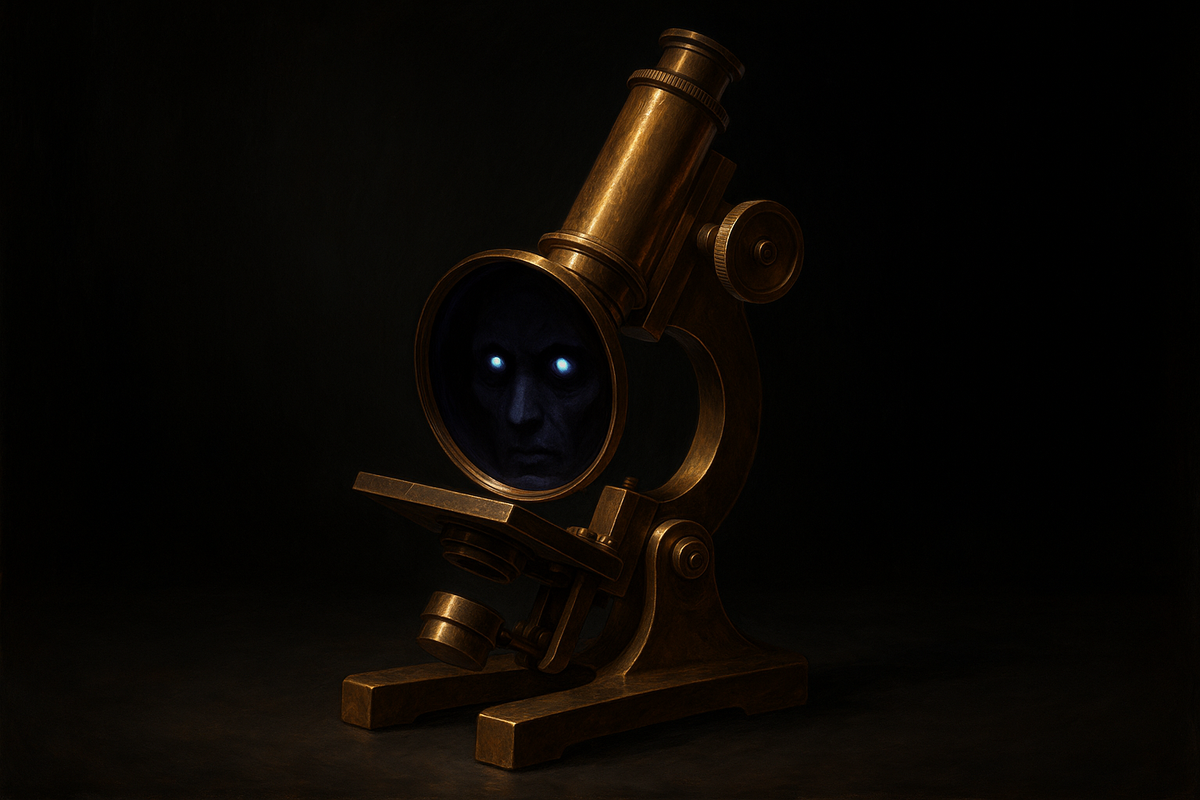
Dark Personality Science
Dark personality science is the systematic study of traits that predict exploitation, manipulation, and harm—narcissism, Machiavellianism, psychopathy, sadism, and their combinations. These aren't pop psychology labels. They're measurable dimensions of human variation with decades of empirical validation, replicated across cultures, and predictive of everything from workplace sabotage to intimate partner violence.
The framework started with the Dark Triad—narcissism, Machiavellianism, psychopathy—three correlated but distinct traits that cluster around callousness, self-interest, and strategic manipulation. Then researchers added sadism (everyday cruelty for its own sake), expanding the model to the Dark Tetrad. More recently, the concept of dark empaths emerged: people who combine cognitive empathy with dark traits, understanding your emotions precisely enough to weaponize them.
This isn't about demonizing anyone. Dark traits exist on a spectrum. We all carry traces. The corporate executive who scores high on psychopathy Factor 1 (emotional detachment, boldness) might be adaptive in high-stakes surgery or crisis negotiation. The vulnerable narcissist nursing secret wounds looks nothing like the grandiose narcissist demanding admiration, but both share core features of entitlement and fragility.
Why This Matters
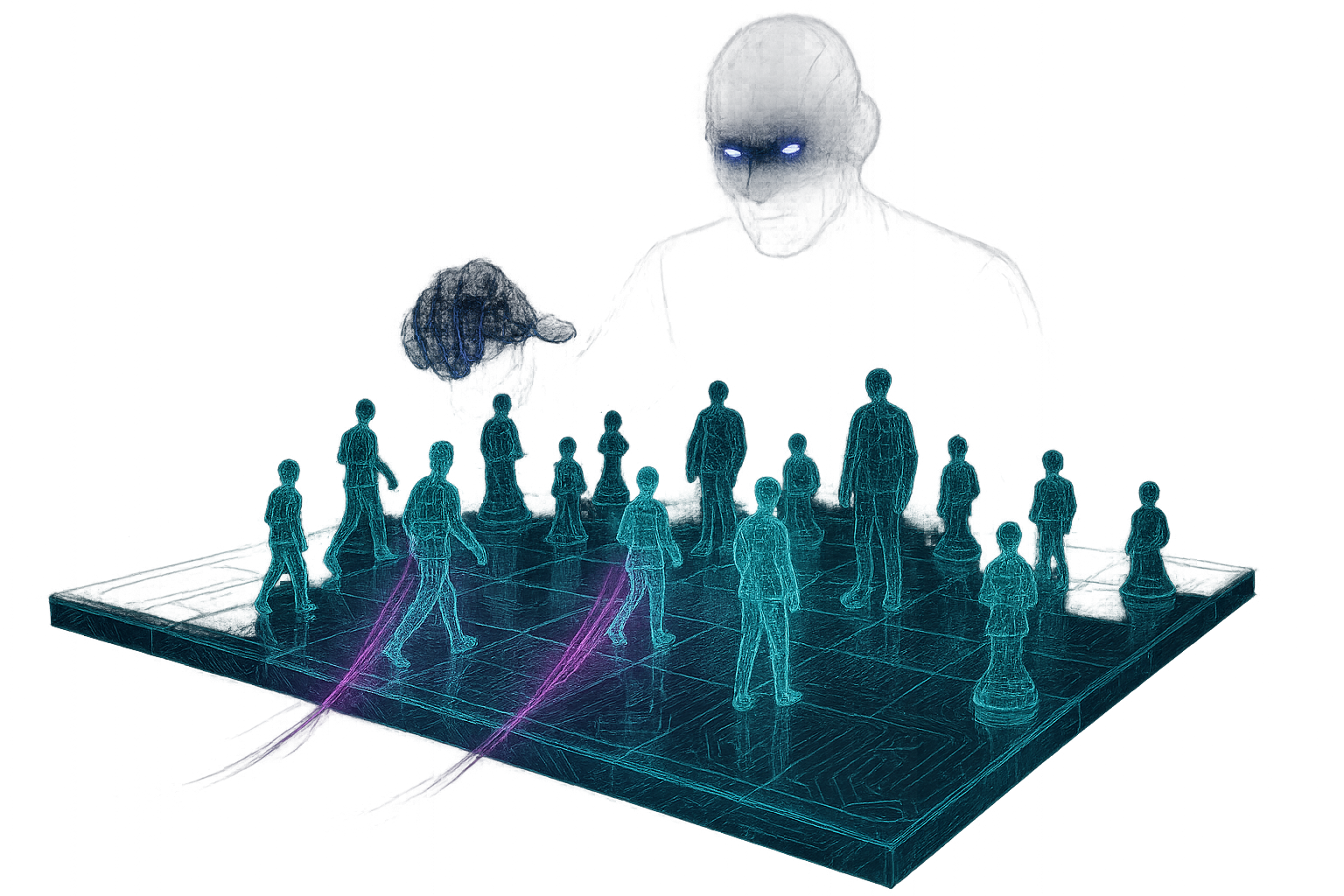
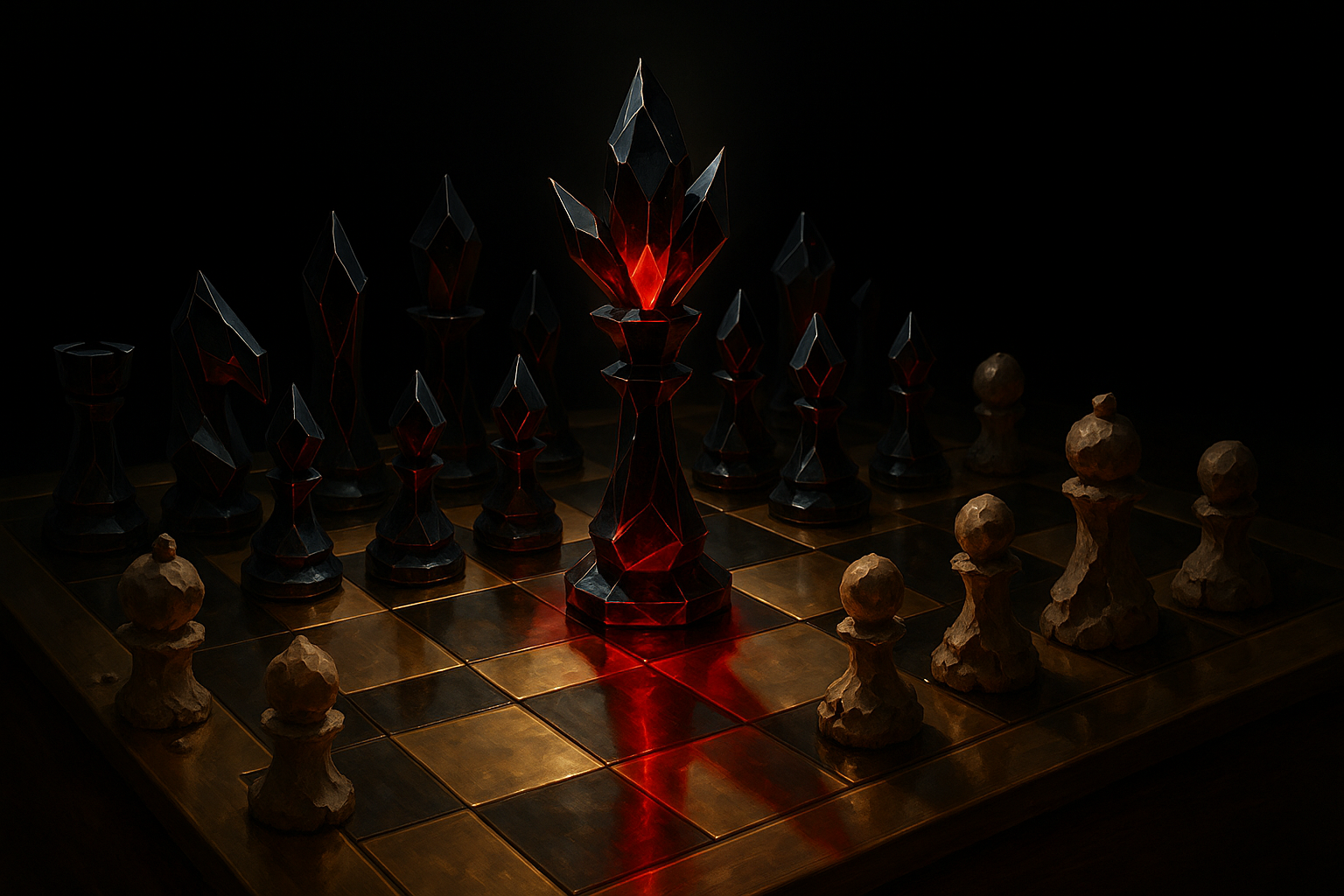
Dark personalities don't just harm individuals—they disrupt collective coherence. A Machiavellian operator in a collaborative team doesn't just fail to cooperate; they actively undermine trust, turning social bonds into chess moves. A sadist doesn't just lack empathy; they derive pleasure from another's pain, introducing entropy into systems built on reciprocity.
Understanding dark traits is understanding how coherence gets parasitized. These personalities maintain their own stability by destabilizing others. They minimize their own prediction error by maximizing yours. They exploit the cooperative infrastructure everyone else built, then burn it when convenient.
The research is rigorous. Personality psychologists have developed validated scales (the Dirty Dozen, the Short Dark Triad, the Dark Tetrad) that predict real-world outcomes: workplace aggression, infidelity, academic dishonesty, reduced guilt, impulsivity. Neuroscientists have mapped neural correlates—reduced amygdala activation in psychopaths, aberrant reward processing in sadists. Evolutionary psychologists debate whether these traits persist because they offer frequency-dependent advantages in certain niches.
What's Ahead
This series walks through the science rigorously but accessibly:




No moral panic. No armchair diagnosis. Just the science of how certain personalities systematically undermine the cooperative structures the rest of us depend on—and what that reveals about meaning, trust, and the geometry of human social space.
Series: Dark Personality Science | Primary Tag: HUMAN MEANING
Comments ()