Discrete Mathematics Explained
While calculus rules physics, discrete math rules computing. Logic gates, encryption keys, social network structure, algorithm complexity — all rest on foundations of countable, finite mathematics.
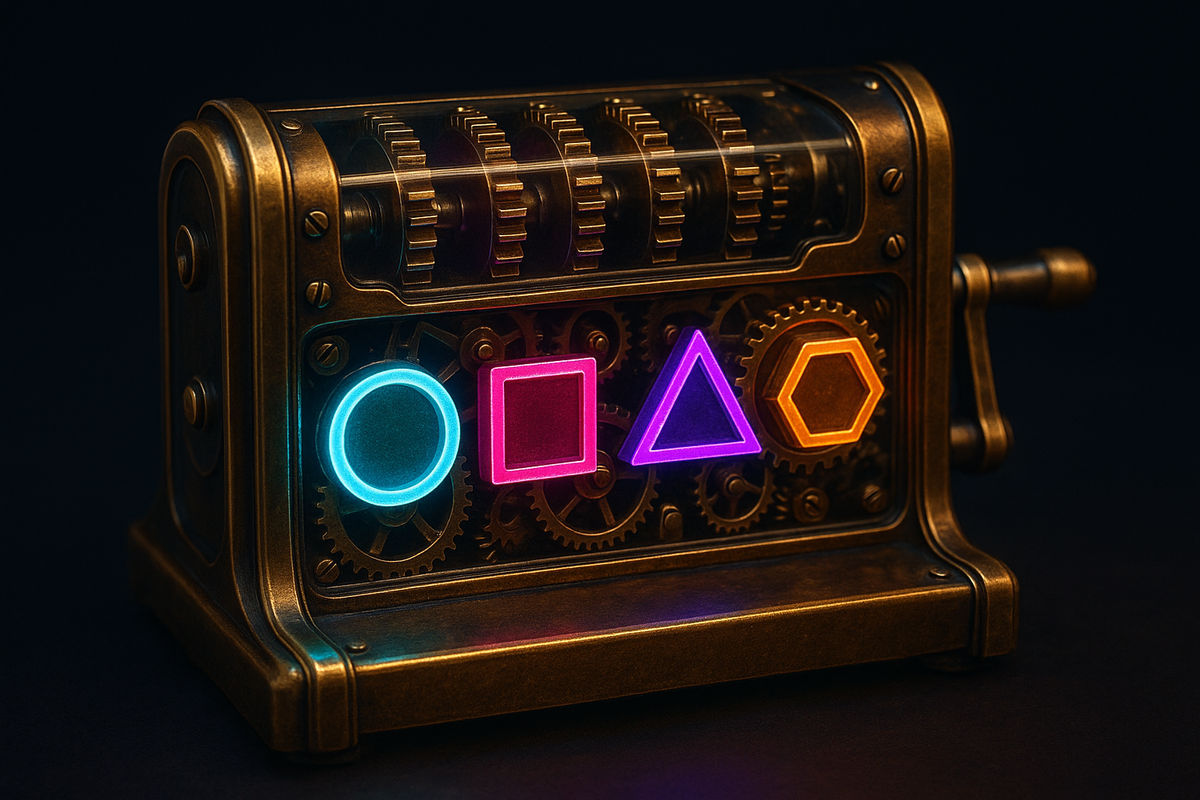
Every algorithm you've ever used is just a recipe written in discrete math.
The autocorrect fixing your typos. The GPS routing you through traffic. The feed showing you what you'll click before you know it yourself. The encryption keeping your bank account yours. None of it runs on the calculus you learned in high school. It all runs on the math of distinct, countable, separate things.
Discrete mathematics is what happens when you stop treating numbers as a smooth continuum and start treating them as individual objects you can count, arrange, and combine. It's the difference between measuring how fast a car moves (calculus) and counting how many ways you can arrange five people in a line (discrete math).
And it turns out the second kind of problem—the discrete kind—is what computers actually do.
What This Series Covers
This isn't a textbook. This is a tour of the mathematical structures that determine what's possible in computing, cryptography, networks, and decision-making.
The Foundation:
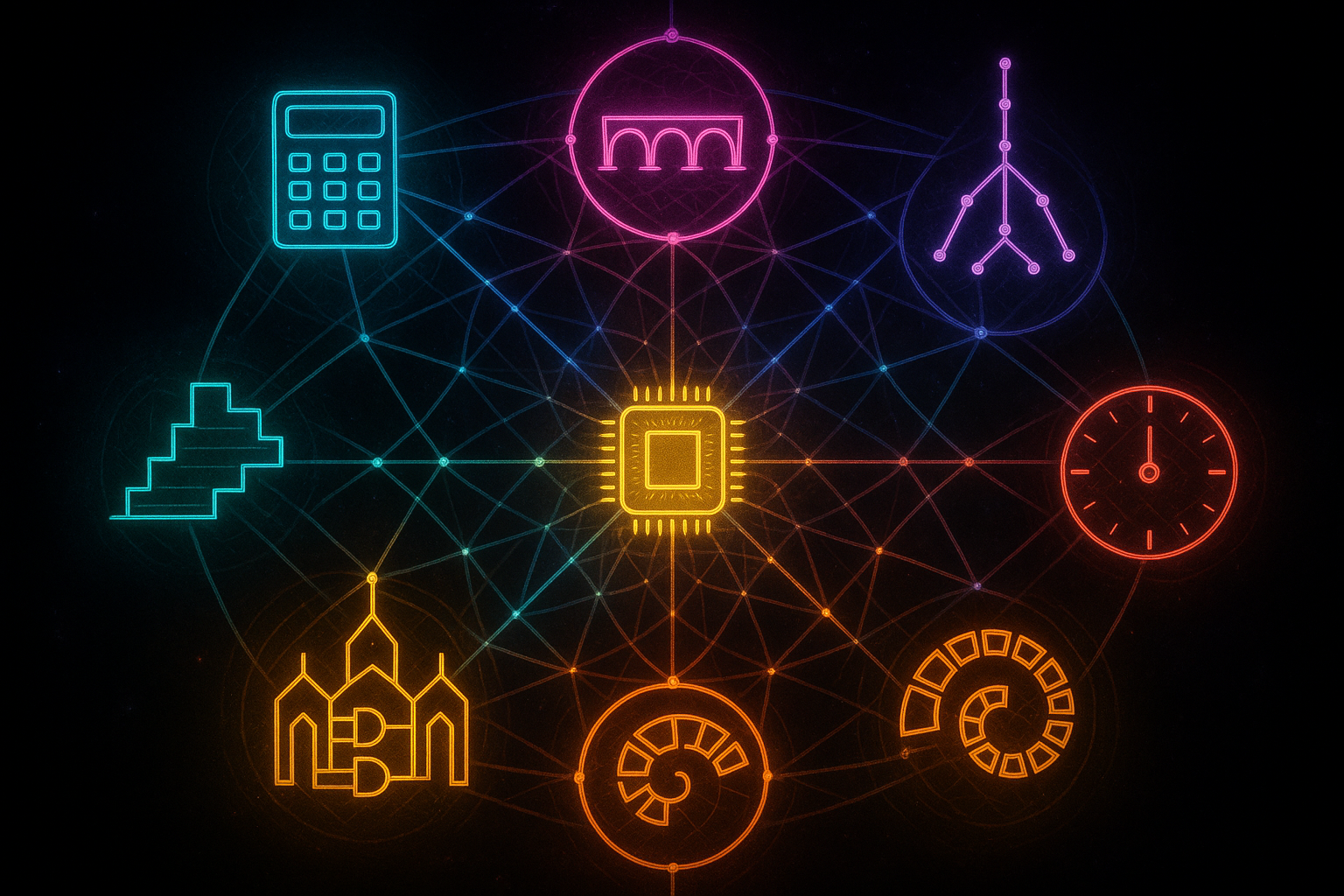
- What Is Discrete Math? — Why distinct objects require different mathematics
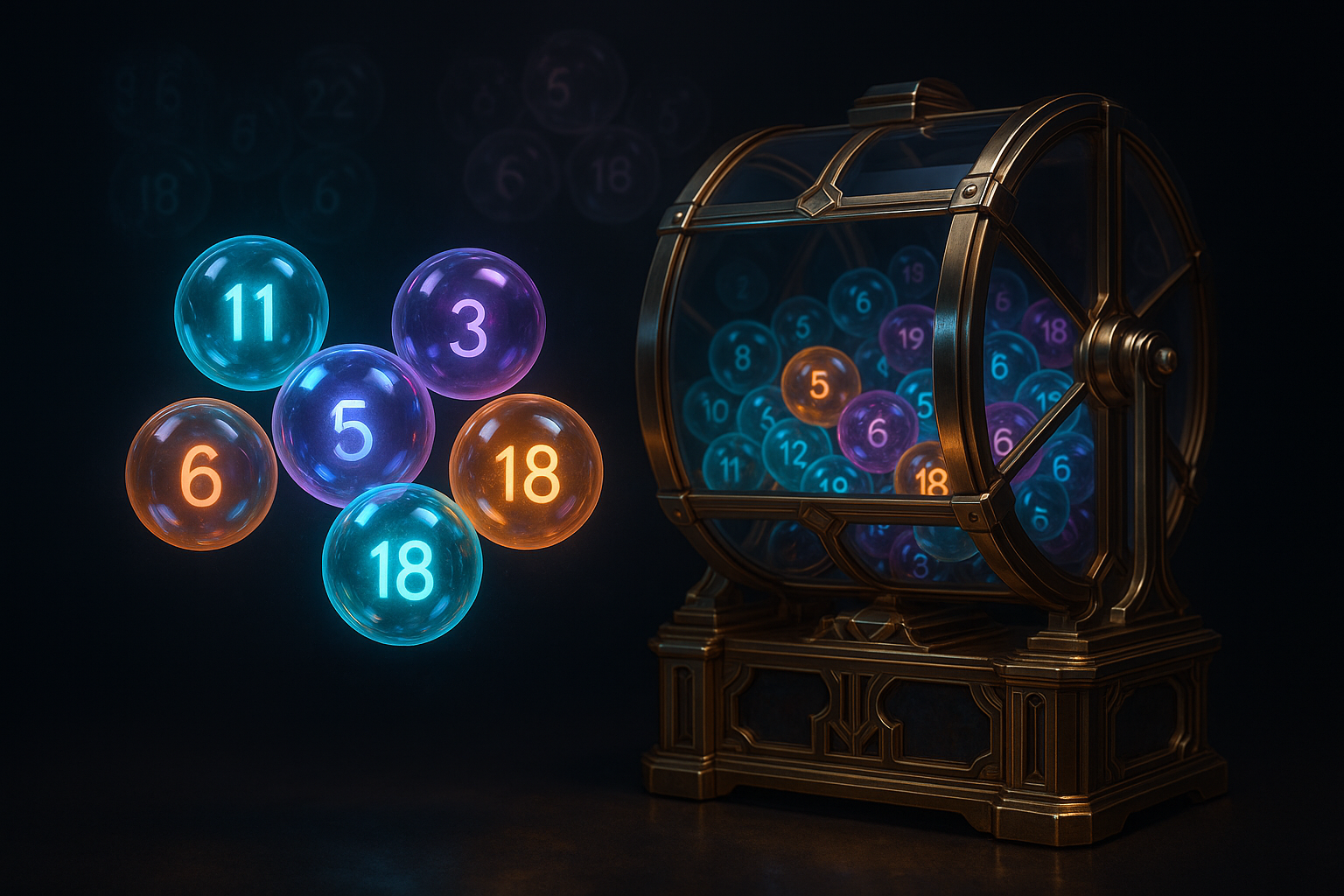
- Combinatorics — The art of counting without counting
- Permutations & Combinations — When order matters and when it doesn't
The Structures:
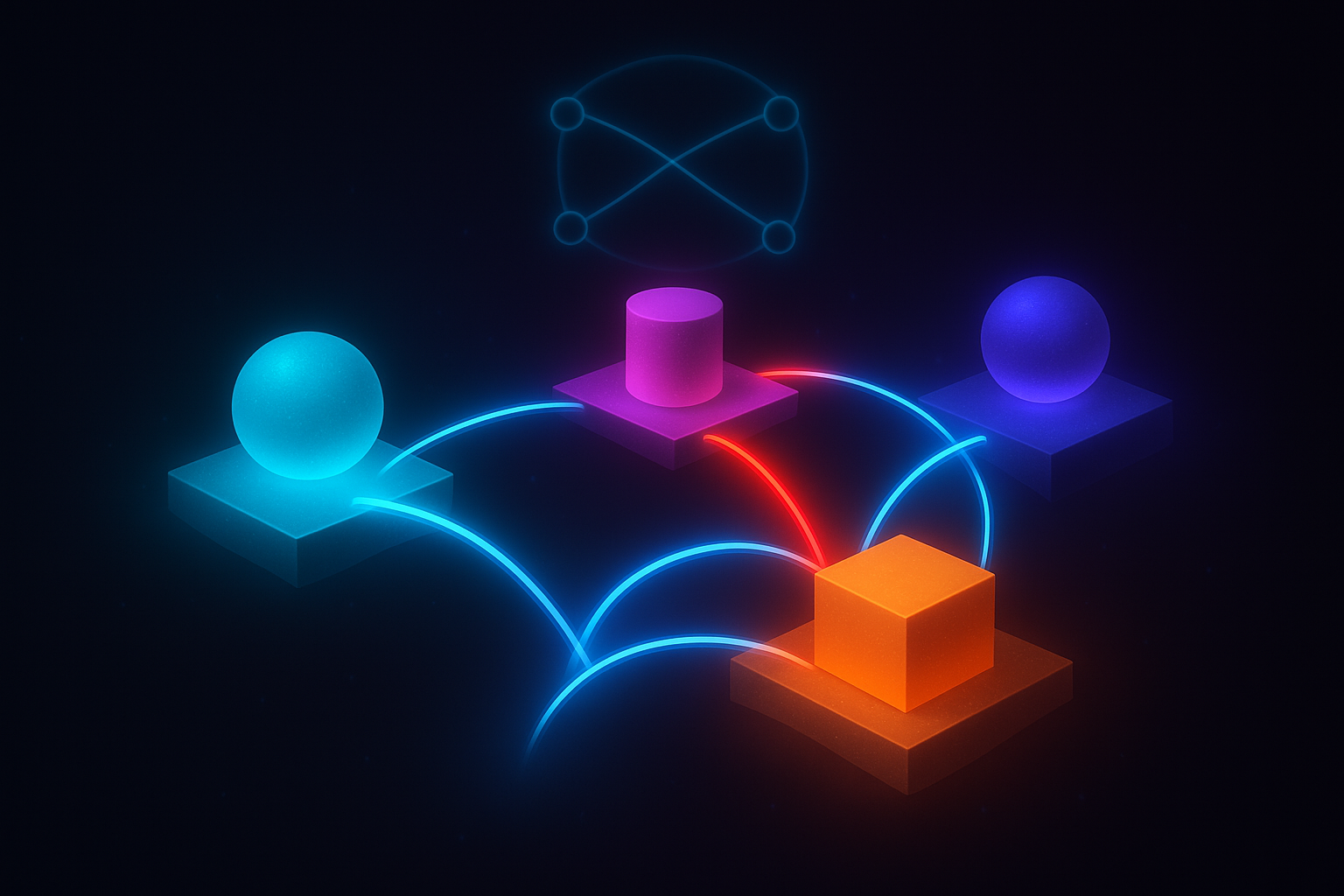
- Graph Theory — How networks actually work, from neurons to social media
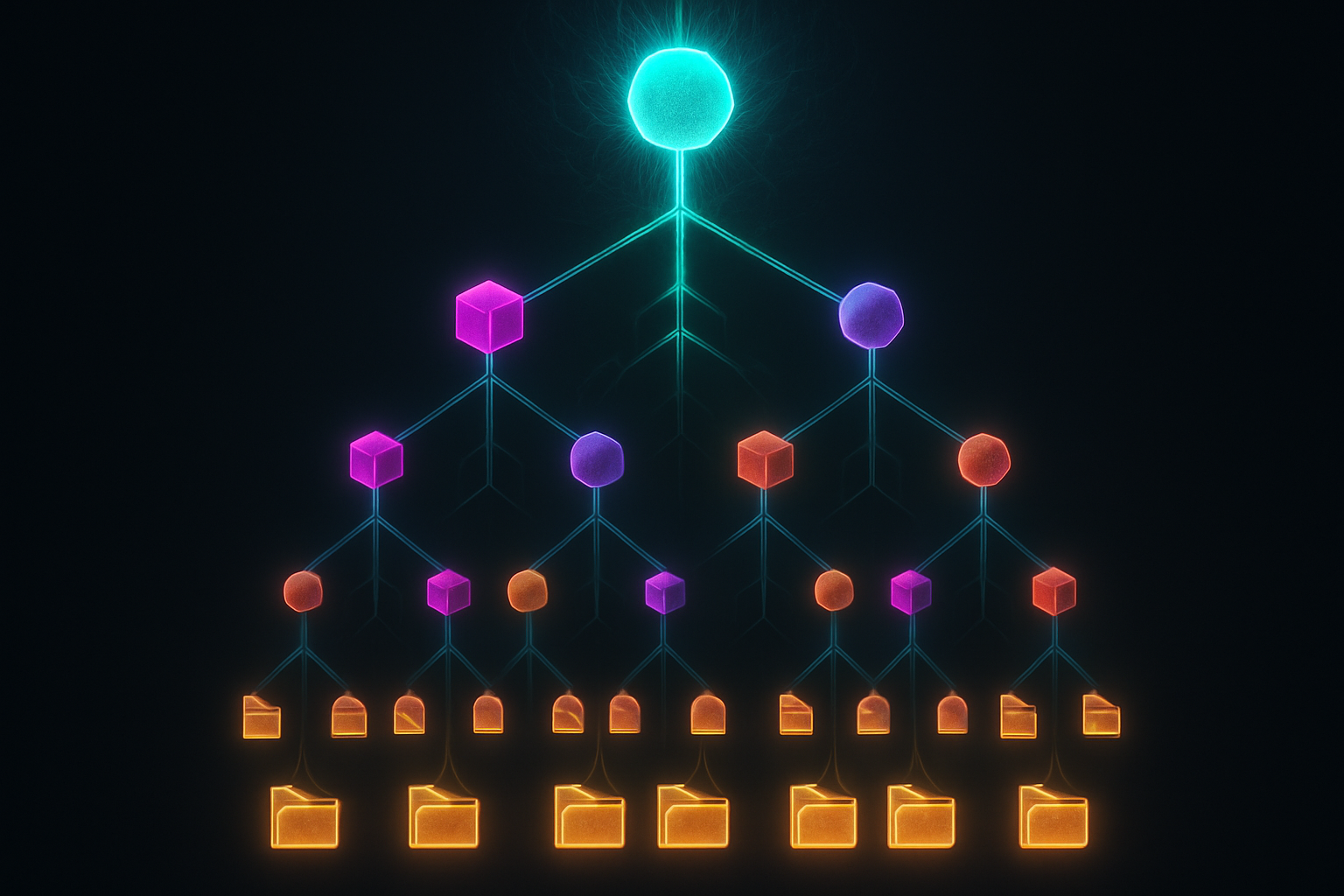
- Trees — The structure underlying everything from family trees to file systems
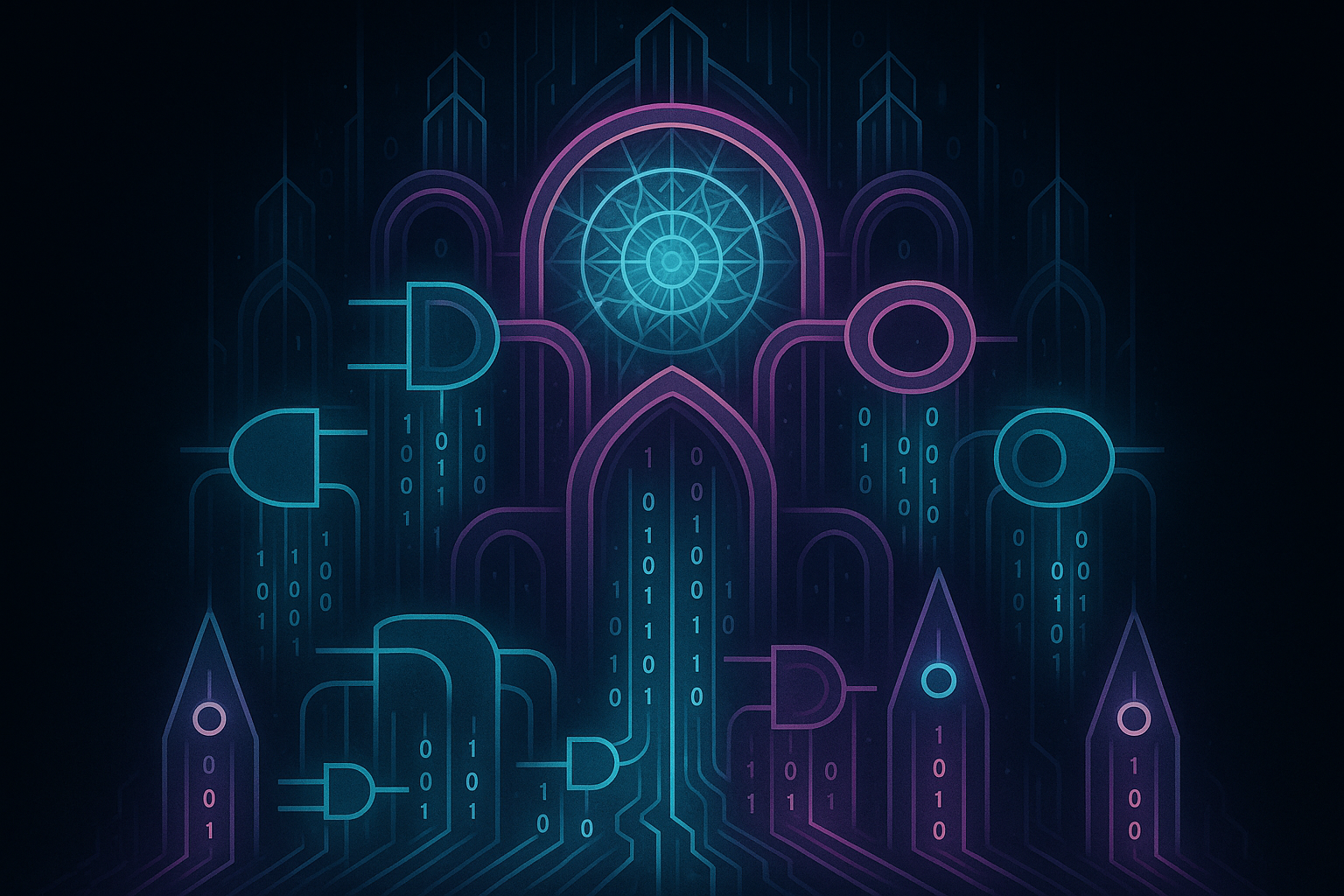
- Boolean Algebra — The two-number system that built every computer
The Patterns:
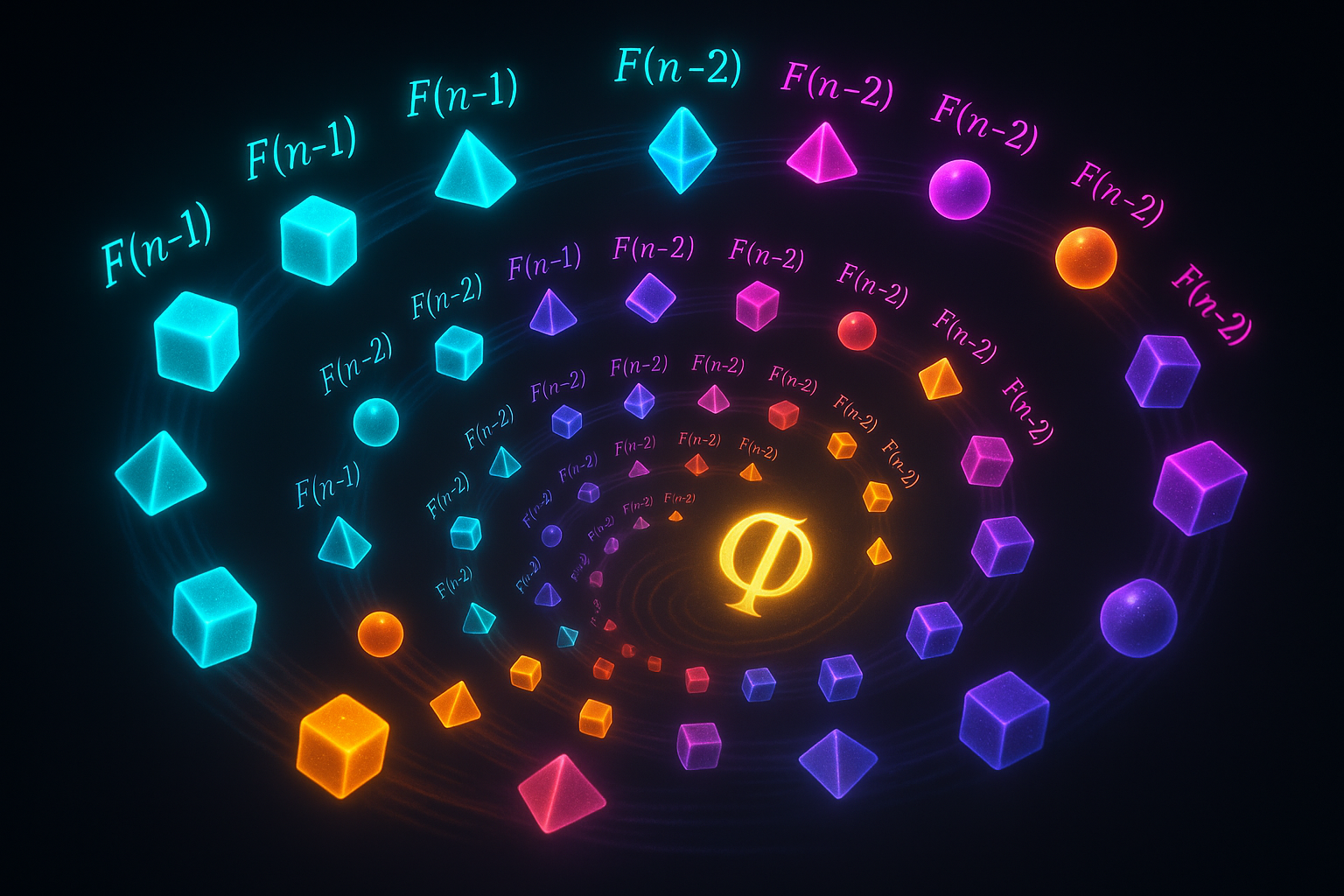
- Recurrence Relations — Sequences that define themselves
- Big O Notation — Why some problems are literally impossible to solve efficiently
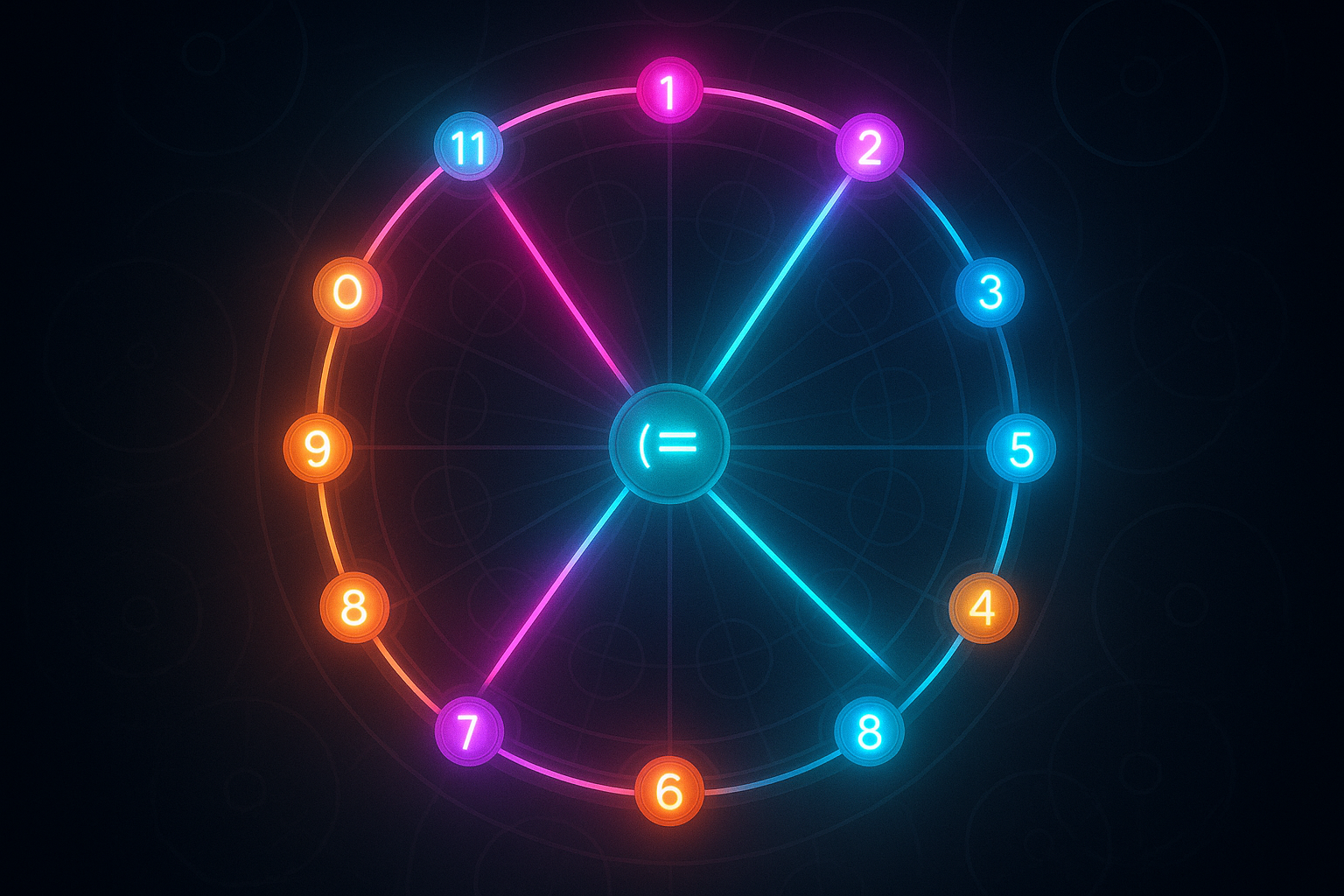
- Modular Arithmetic — When numbers wrap around like a clock
The Synthesis:
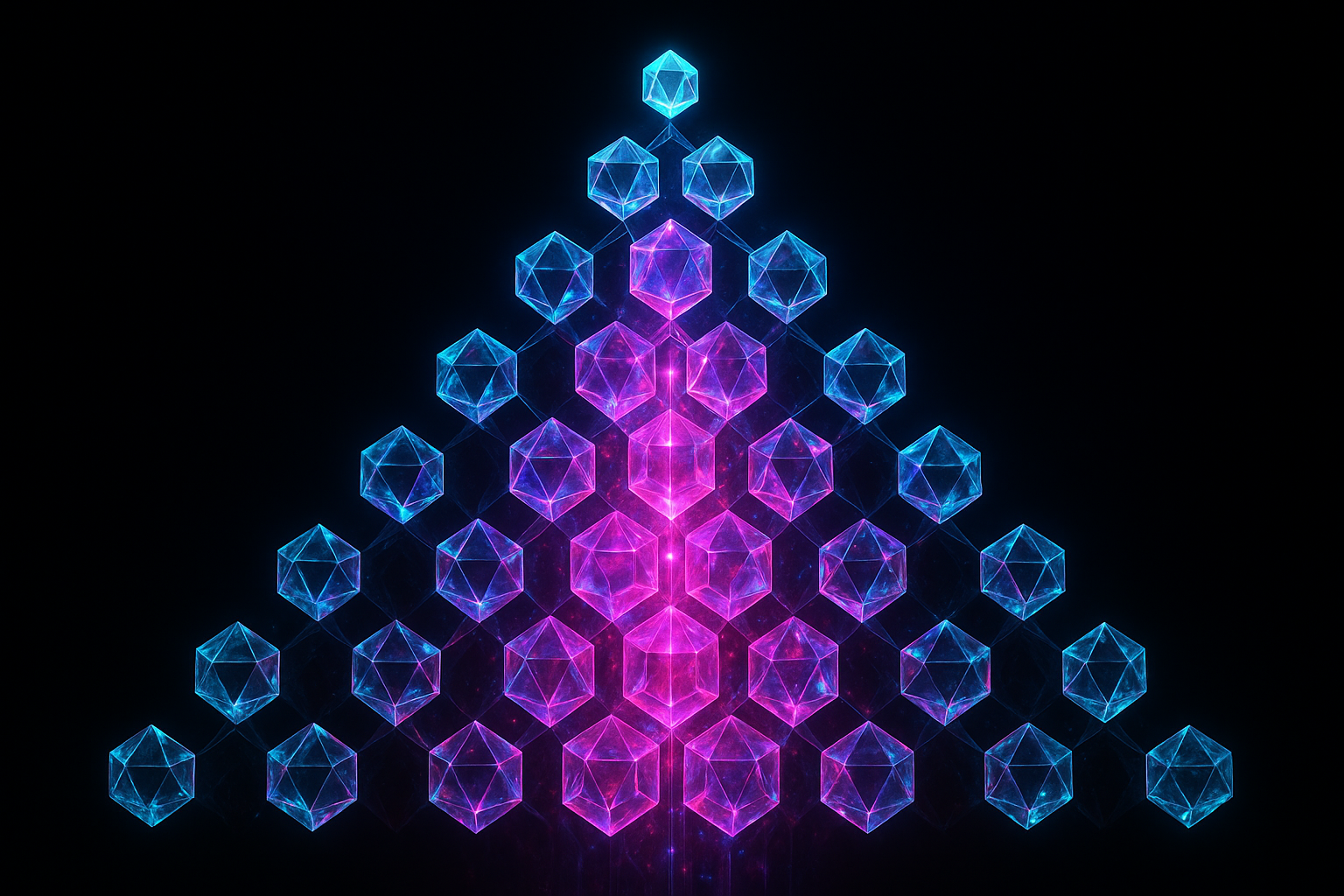
- Binomial Theorem — Pascal's triangle and the hidden structure of expansion
- Discrete Math & Computer Science — How it all connects to build the digital world
Why It Matters
In 1736, Leonhard Euler solved the Königsberg bridge problem and accidentally invented graph theory. The question was simple: Can you walk through the city crossing each of its seven bridges exactly once?
Euler proved it was impossible. Not hard. Not unlikely. Impossible. And he did it without trying every possible path. He transformed the problem into a mathematical structure—nodes and edges—and showed the structure itself made the task impossible.
Three hundred years later, Google Maps uses the same mathematics to route you through millions of intersections in milliseconds.
That's what discrete math does. It doesn't just solve problems. It reveals which problems can be solved, which can't, and why.
The Computer Science Connection
Every data structure is a discrete mathematical object. Every algorithm is a discrete mathematical process.
- Arrays, linked lists, hash tables: combinatorics and counting
- Search algorithms, pathfinding: graph theory
- File systems, databases: trees
- Logic gates, circuits: Boolean algebra
- Cryptography: modular arithmetic
- Algorithm analysis: Big O notation
If you've ever wondered why some things computers do feel instant while others take forever, the answer is in discrete math. Some problems scale linearly. Some scale exponentially. And some can't be solved efficiently at all, no matter how powerful the computer.
What You'll Walk Away With
By the end of this series, you'll understand:
- Why counting is harder than it looks
- How to think in graphs and trees
- Why Boolean algebra has exactly two numbers and still built the digital age
- When an algorithm will scale and when it won't
- The mathematical structures underlying every piece of software you've ever used
You won't need to be a mathematician. You just need to be curious about how the structures beneath computation actually work.
Because once you see it, you can't unsee it. Every app is a graph. Every decision tree is a tree. Every for-loop is a recurrence relation. The discrete structures are everywhere, and they determine what's possible.
Let's start with the question that unlocks the rest: What makes discrete math different from every other kind of math you've learned?
This is the hub page for the Discrete Mathematics series, exploring the foundational math of computer science, algorithms, and computational thinking.
The Series
Comments ()