The New Immunology
Your Immune System Is Smarter Than You Think—And We're Only Now Learning Its Language
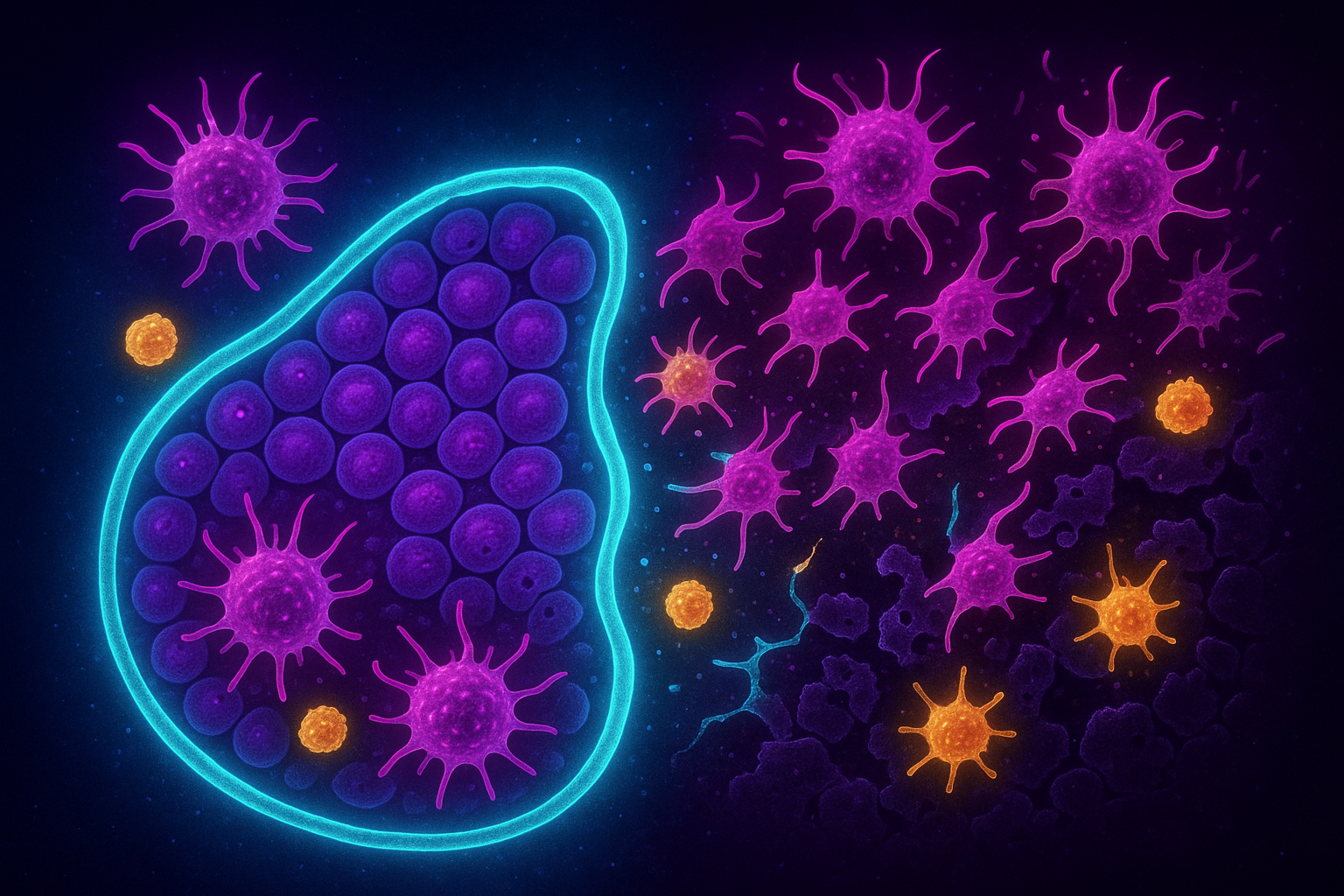
For most of the 20th century, immunology was a war story. Invaders and defenders. Pathogens and antibodies. The immune system was cast as the body's military—trained to identify enemies, mount attacks, and eliminate threats.
That story wasn't wrong. It just wasn't complete.
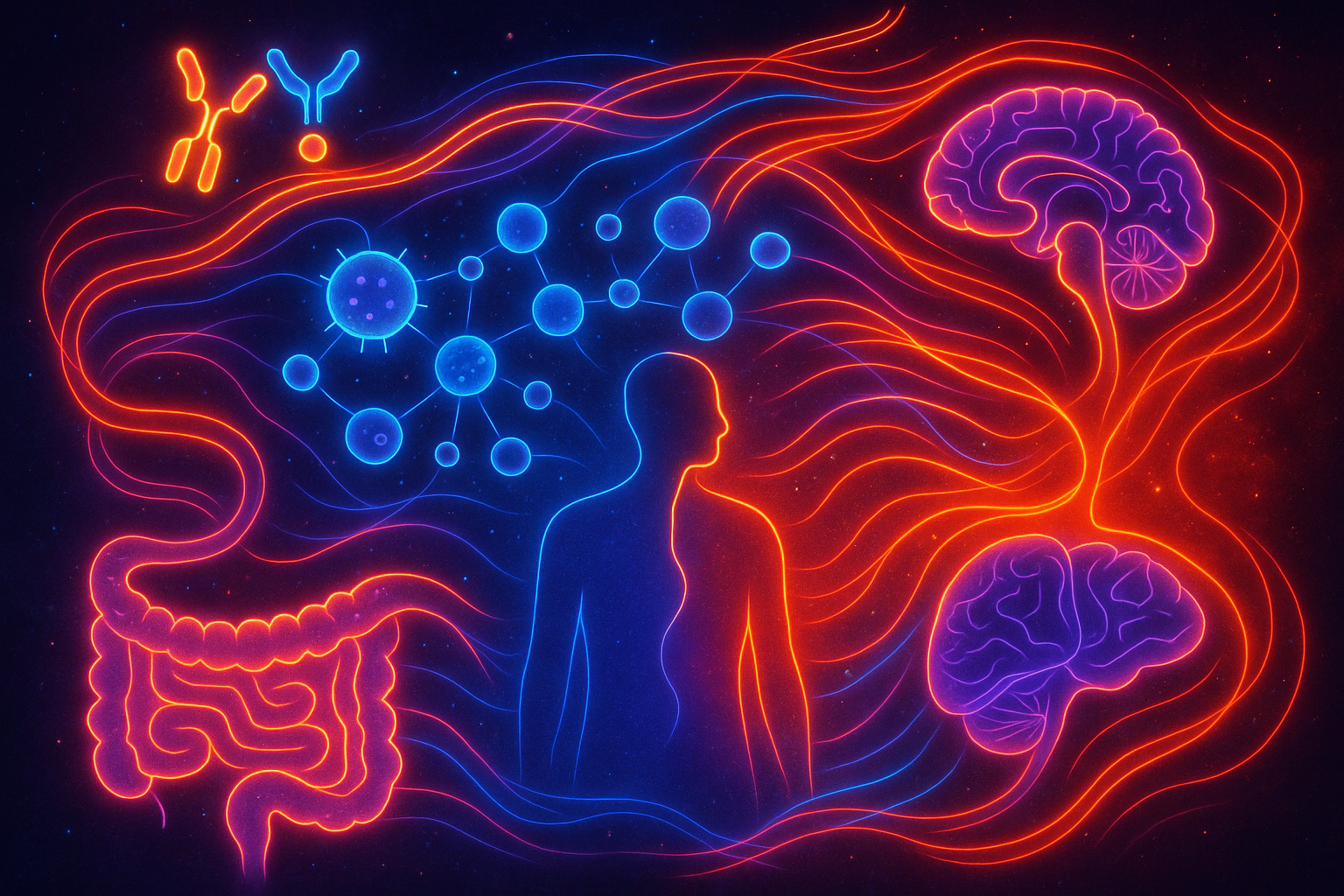
The immune system does fight infections. But it also does something far more interesting: it learns. It remembers. It makes decisions under uncertainty. It balances competing priorities—attack versus tolerance, inflammation versus resolution. It communicates constantly with every other system in your body. It even talks to your brain.
The new immunology sees the immune system not as a defense force but as a cognitive system—a distributed information processor that shapes health, disease, and identity in ways we're only beginning to understand.
This series explores that revolution.
The Series
The Two Arms of Immunity — Innate immunity is fast and general; adaptive immunity is slow and specific. How they work together is more sophisticated than we thought.
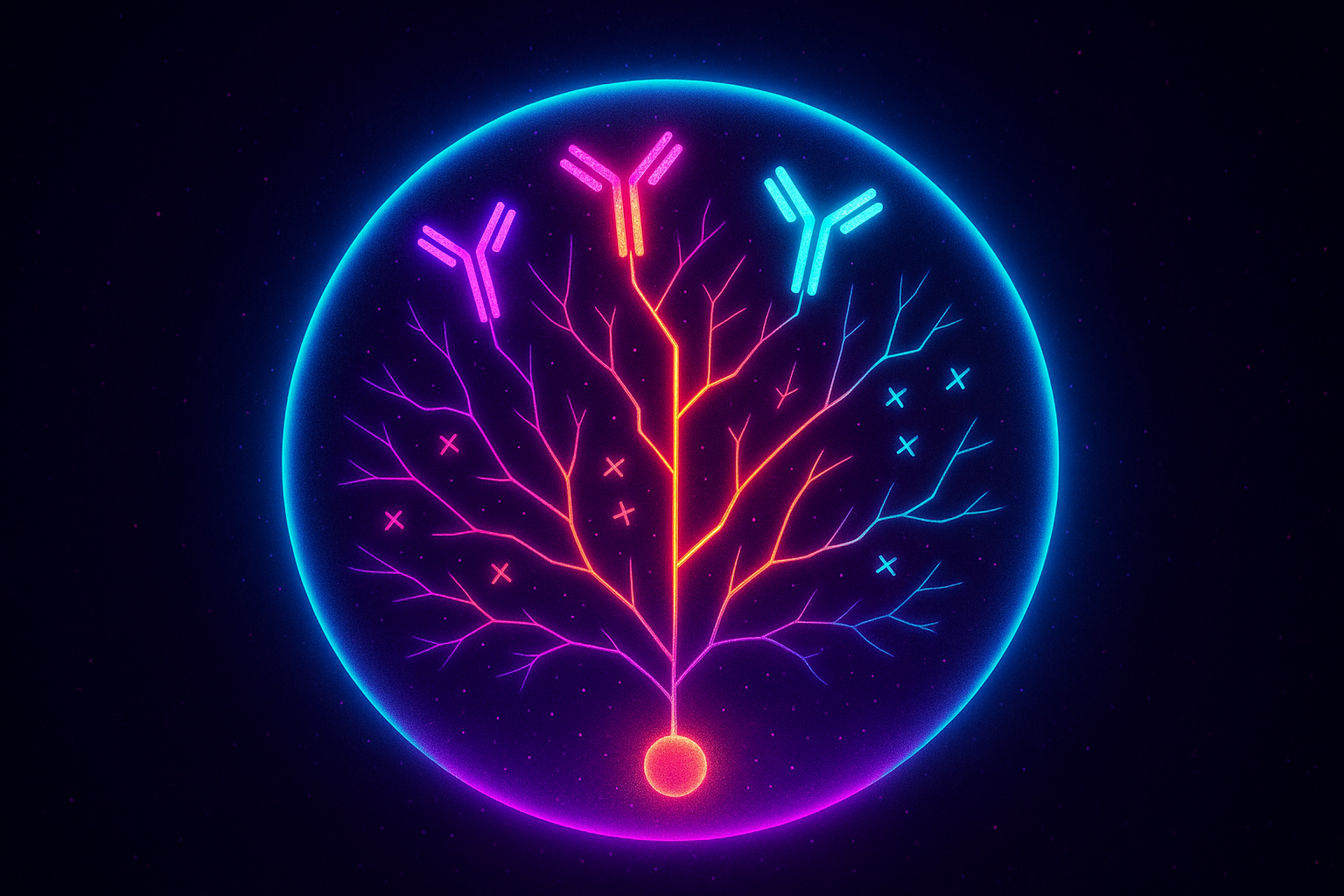
How Your Immune System Learns — The immune system generates diversity randomly, then selects what works. It's evolution running in real time inside your body.
Trained Immunity: Memory Without Memory Cells — Even "non-learning" innate immunity can remember. This discovery is rewriting immunology textbooks.
Checkpoint Inhibitors: Releasing the Brakes on Cancer — Cancer hides from the immune system. A Nobel Prize-winning discovery found how to expose it.
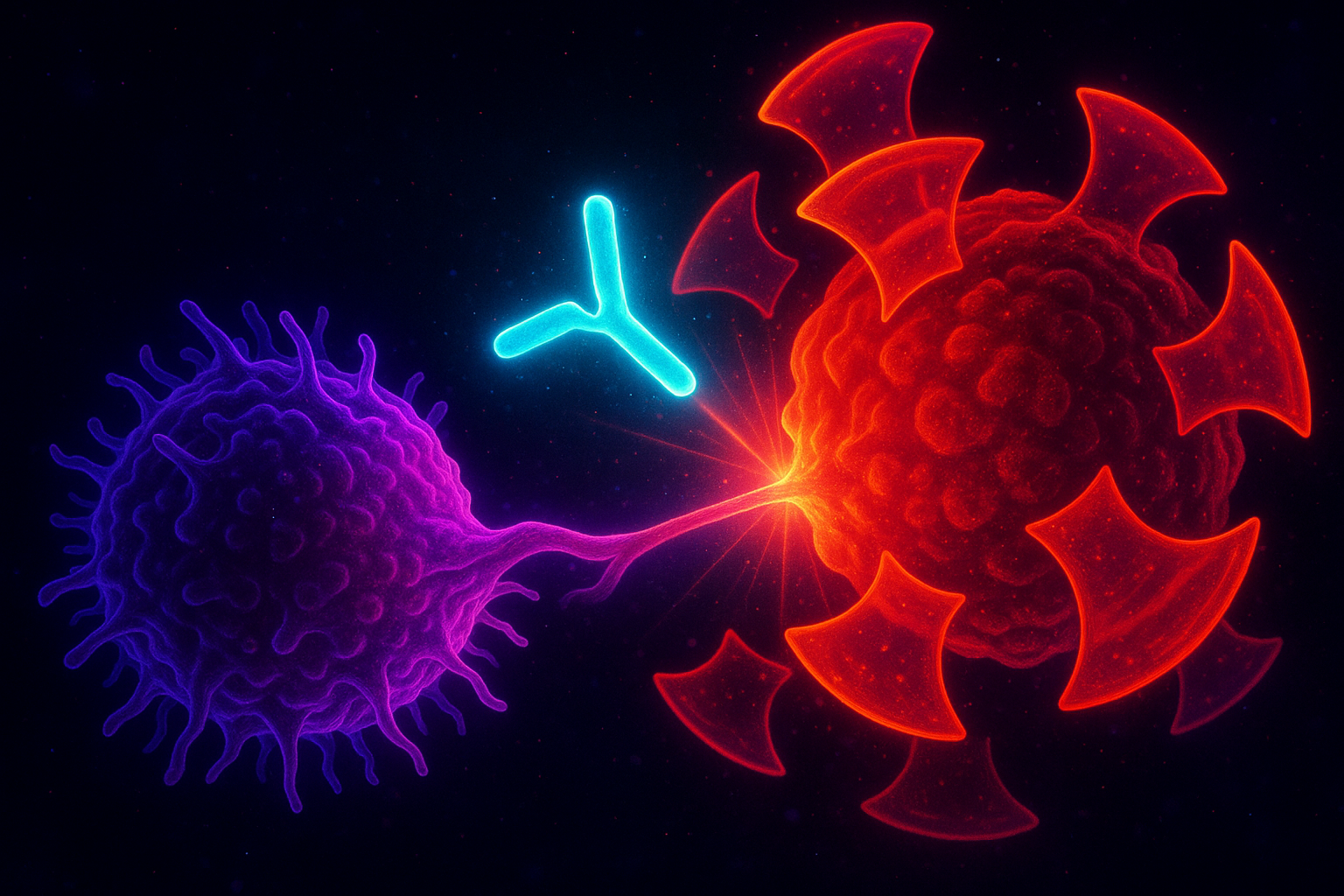
CAR-T: Engineering Immune Cells to Hunt Cancer — We can now reprogram your own immune cells into cancer-killing machines. It's as remarkable as it sounds.
When the Immune System Attacks Itself — Autoimmune diseases are failures of tolerance. Understanding why the system misfires is key to fixing it.
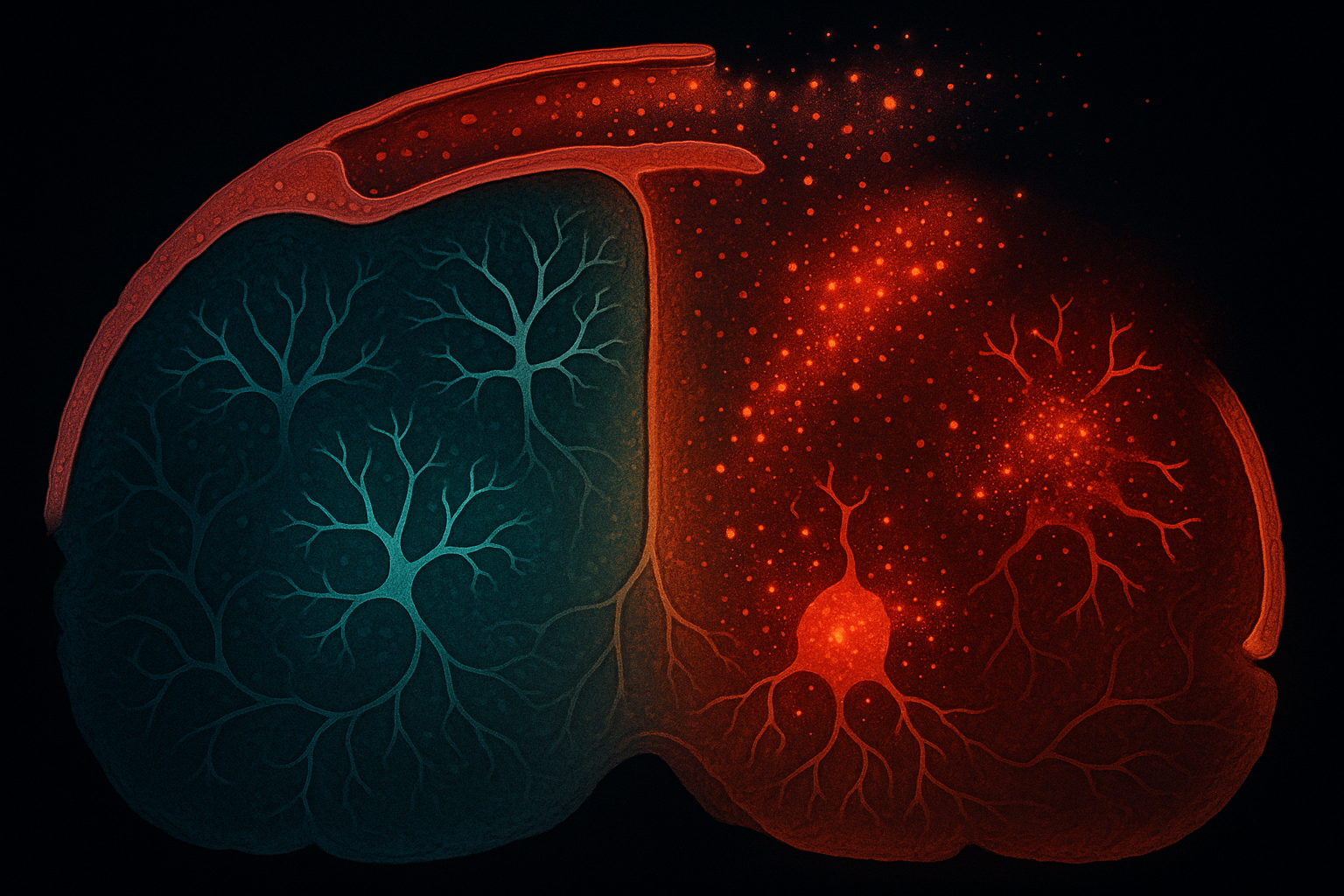
Your Brain Has an Immune System — The brain was thought to be immune-privileged. It's not. Neuroinflammation may underlie depression, Alzheimer's, and more.
The Language of Immunity: A Synthesis — Putting it together: the immune system as information processor, maintaining coherence between self and world.
The Coherence Frame
The immune system's core job isn't attack—it's discrimination. Self from non-self. Dangerous from harmless. Worth attacking from better tolerated.
This is a coherence problem. The system must maintain a stable boundary between organism and environment while remaining responsive to genuine threats. Too aggressive, and you get autoimmunity—attacking your own tissues. Too permissive, and you get infection or cancer—failing to attack what you should.
The new immunology studies how this balance is maintained: the signals that calibrate immune cells, the checkpoints that prevent overreaction, the tolerance mechanisms that allow peaceful coexistence with trillions of gut bacteria. It's a story of dynamic equilibrium, not static defense.
Health, in this view, is immune coherence—a system that accurately discriminates threats, responds proportionally, and resolves inflammation when the job is done. Disease is when this coherence breaks down.
Begin with The Two Arms of Immunity, the foundation of how your immune system operates.

Comments ()