Interface Theory
Donald Hoffman's radical claim: evolution didn't wire us to perceive reality accurately — it wired us to survive. Your senses are a fitness-tuned user interface, not a window onto the world.
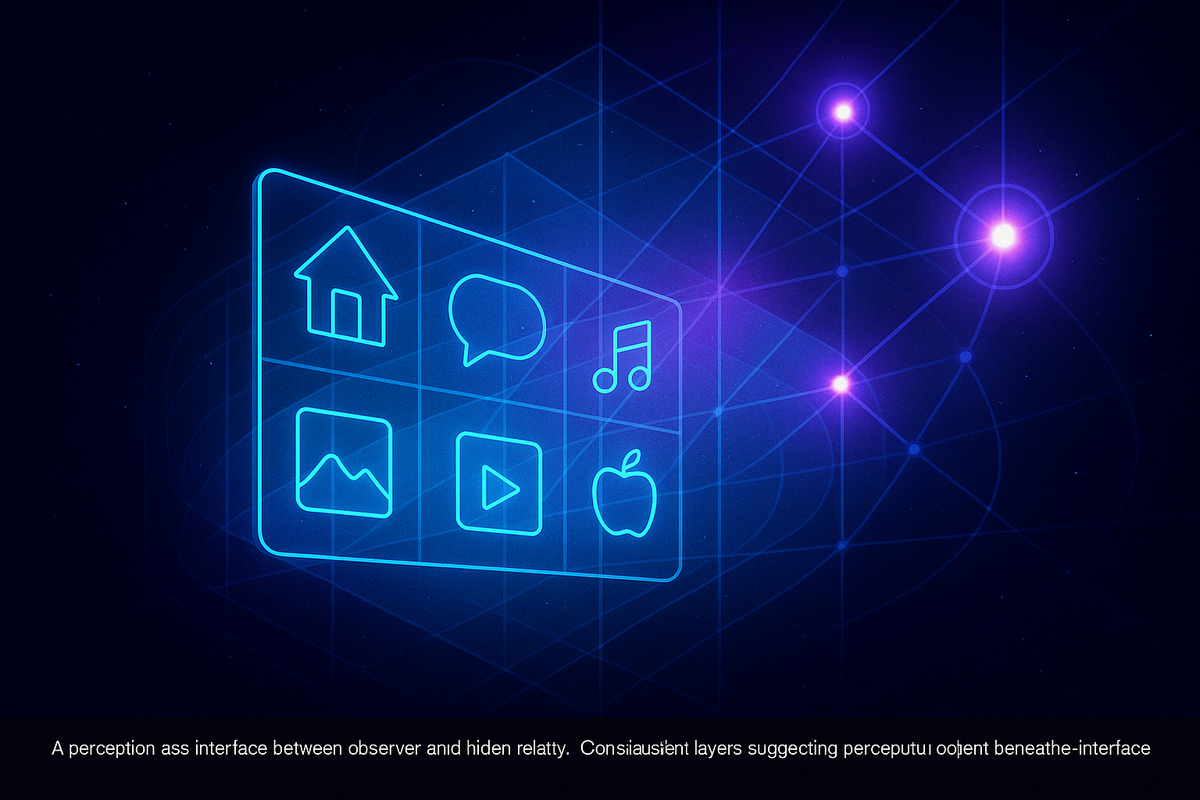
What if reality isn't what it seems? Not in a mystical sense, but in a precise, mathematical, evolutionary sense.
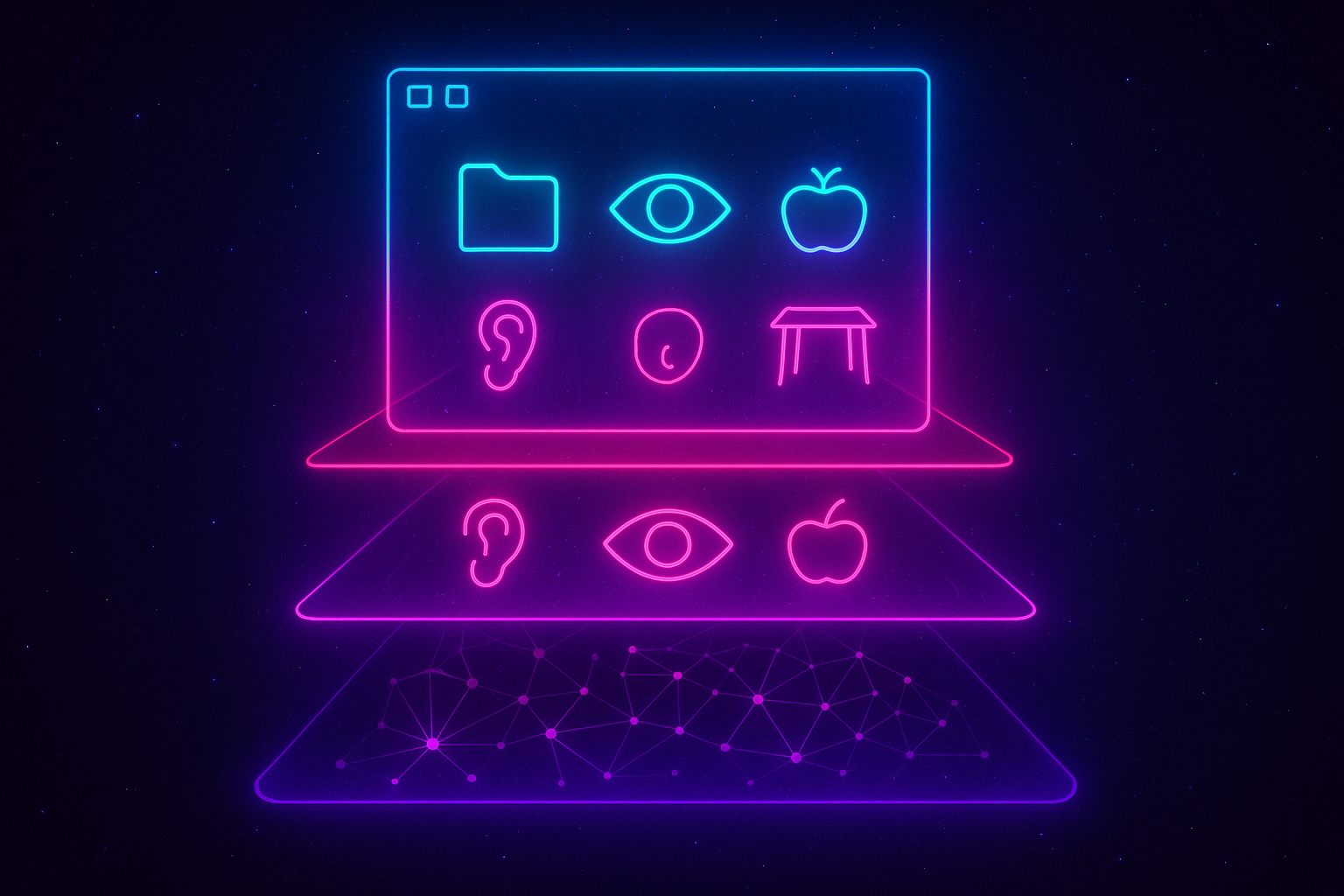
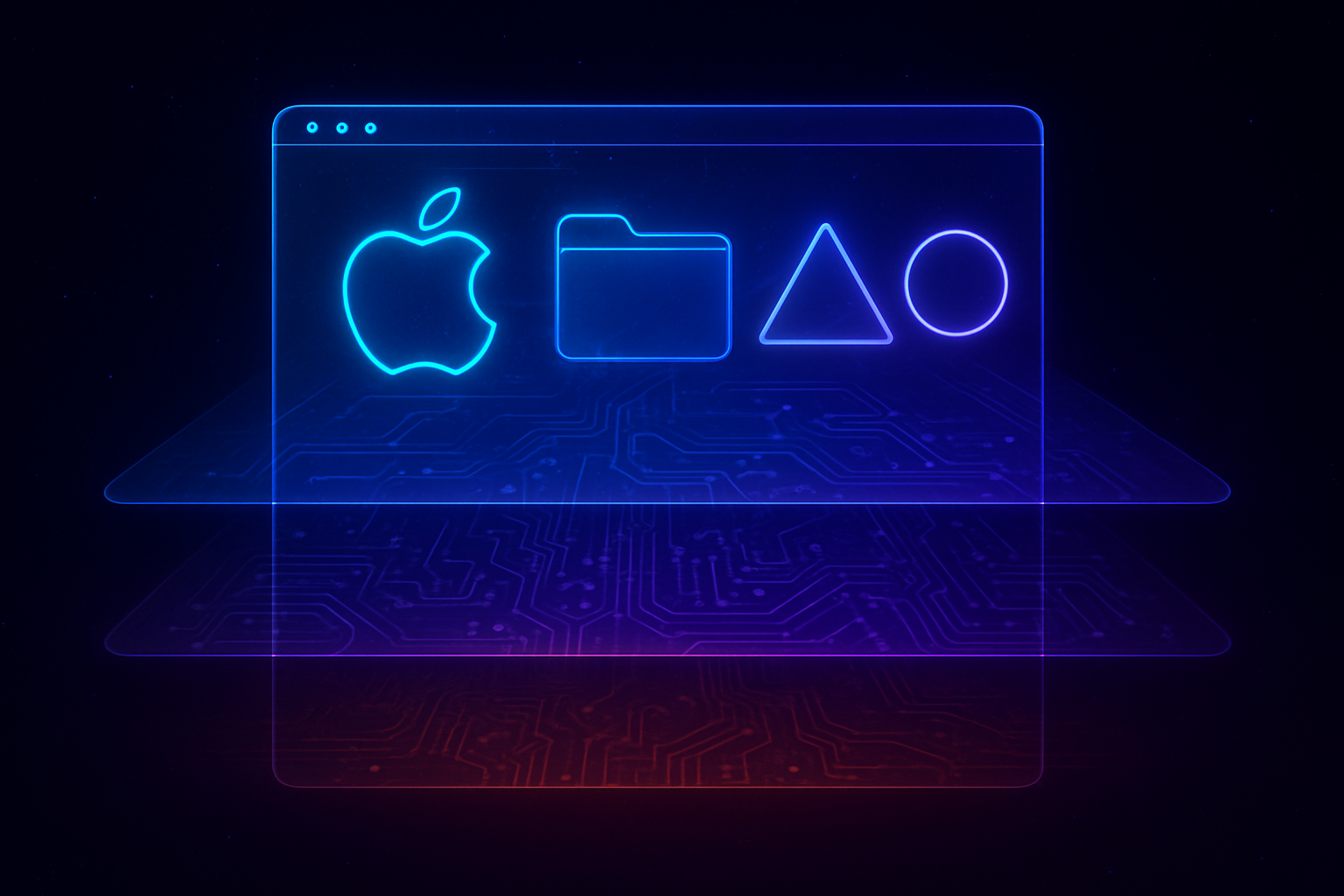
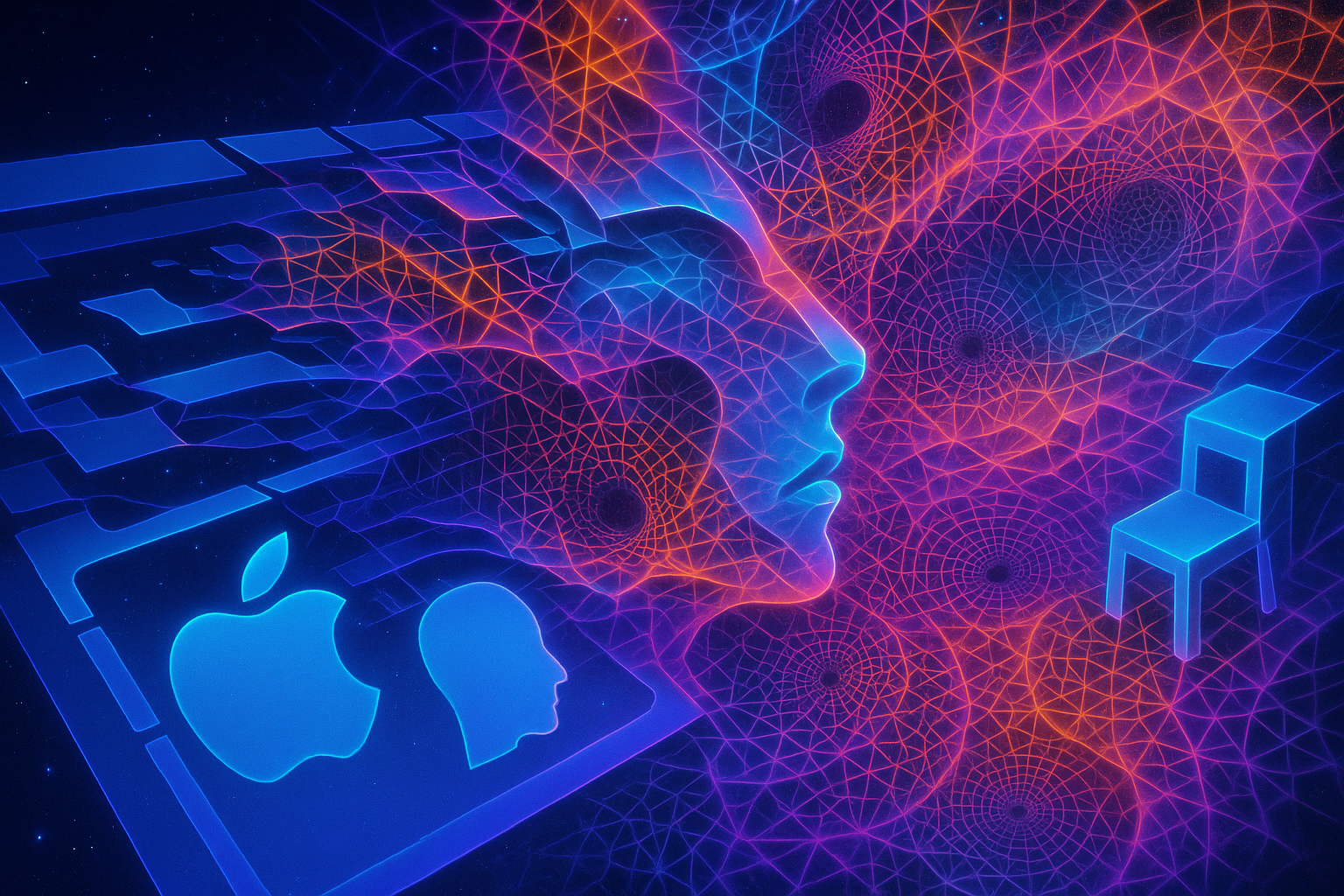
Donald Hoffman argues that natural selection shaped our perception not to reveal truth, but to hide it. Our senses are like a desktop interface—useful icons that guide action but conceal the underlying reality. The apple you see, the color red you experience, even the three-dimensional space you navigate: none of these are "real" in the way you think they are. They're fitness-relevant simplifications, evolved to keep you alive, not to show you what's actually there.
This isn't philosophy. It's the conclusion of rigorous evolutionary game theory. And it has profound implications for how we understand consciousness, meaning, and the relationship between perception and reality.
Why This Matters for Coherence
If perception is an interface optimized for fitness rather than truth, then meaning isn't something we discover in an objective reality "out there." It's something systems construct to maintain themselves. Your perceptual manifold—the organized space of possible experiences—is coherence made visible. What you see, hear, and feel isn't the world itself, but the geometry of your coupling with it.
Interface Theory provides a rigorous framework for understanding why coherence is more fundamental than correspondence, why your experience is structured the way it is, and what happens when interface constraints relax.
What This Series Covers
This series explores Donald Hoffman's Interface Theory of Perception and its connections to active inference, conscious agents, and AToM's coherence geometry. We'll examine:
- The fitness-beats-truth theorem and why evolution hides reality
- How the desktop metaphor illuminates the structure of perception
- Hoffman's mathematical framework of conscious agents
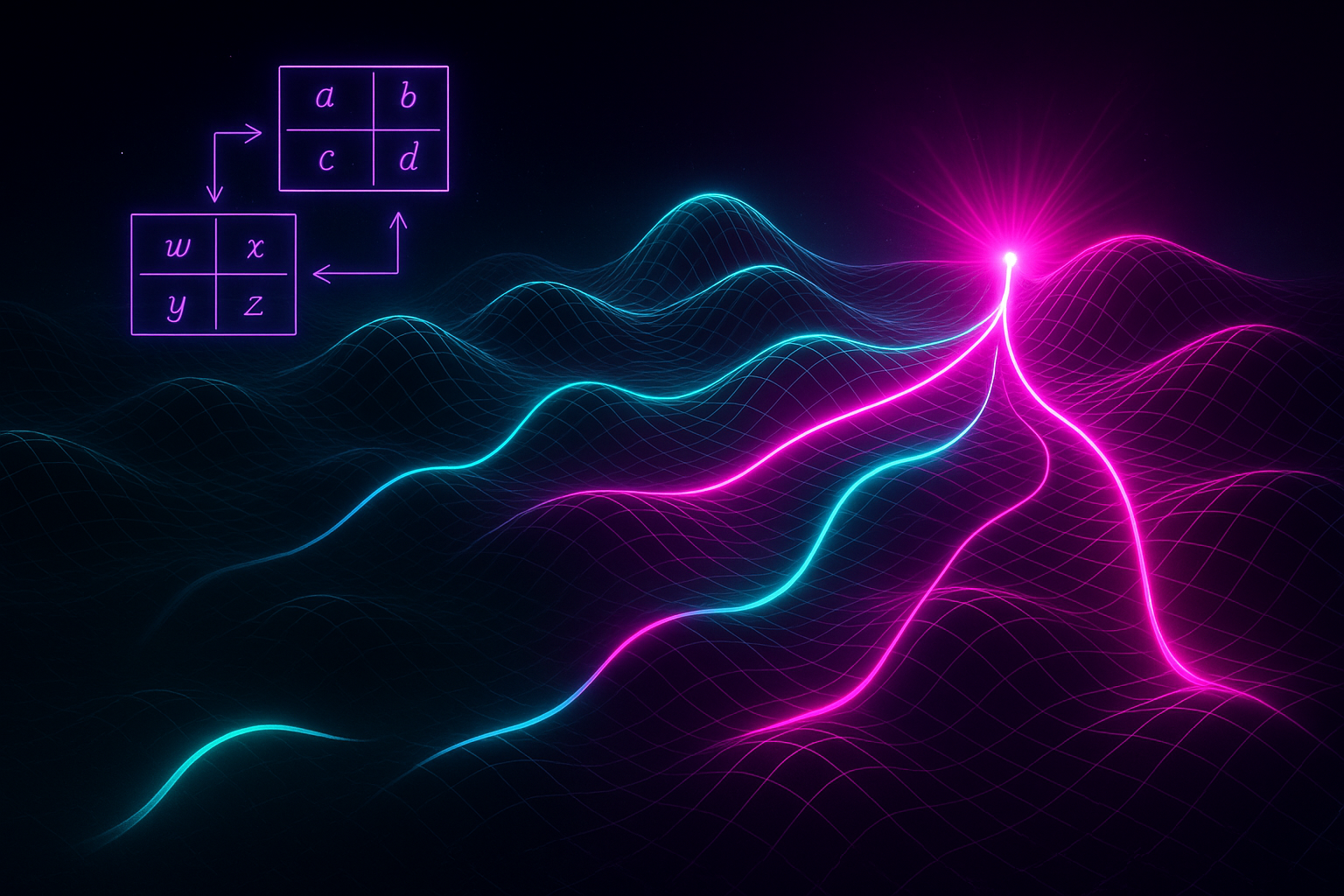
- Connections between interfaces and Friston's Markov blankets
- Why spacetime itself might be an interface property
- How psychedelics might dissolve interface constraints
- What Interface Theory means for neurodiversity and consciousness
By the end of this series, you'll understand why the question "What is real?" has a very different answer than naive realism suggests—and why that answer doesn't lead to nihilism, but to a deeper understanding of meaning.
Articles in This Series
Comments ()