Mechanistic Interpretability
Neural networks are black boxes — until you crack them open circuit by circuit. Mechanistic interpretability is the science of reverse-engineering what AI systems actually compute, one feature at a time.
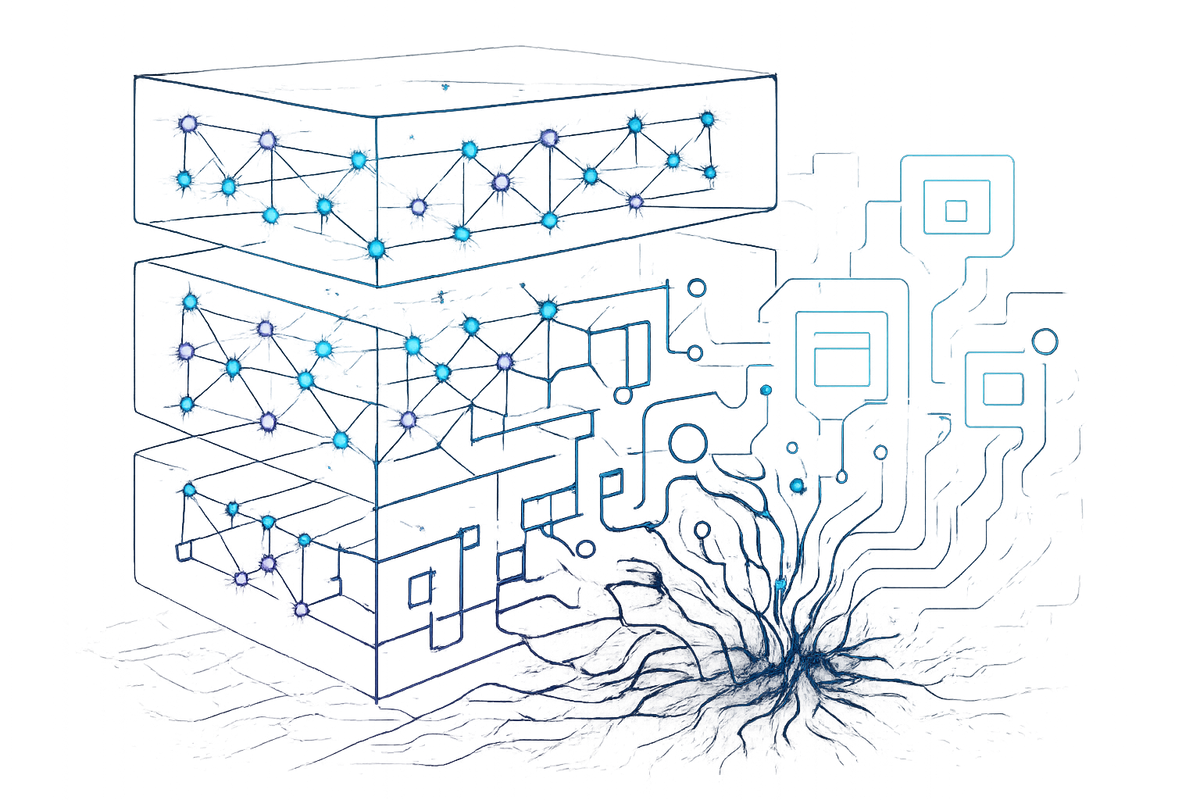
Neural networks work. They generate coherent text, recognize faces, translate languages, and write code. But nobody—including the people who built them—knows exactly how they do it.
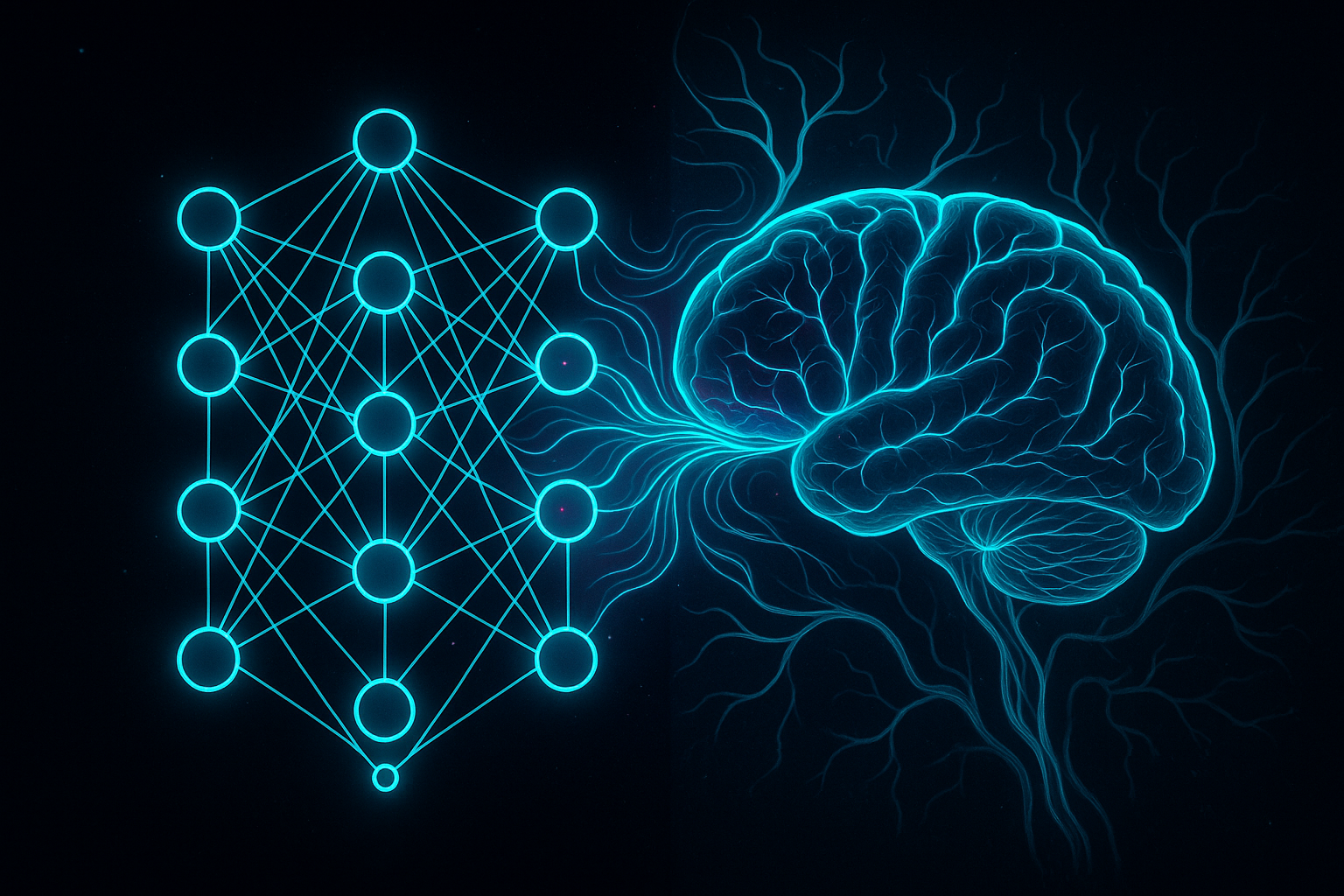
Until recently, AI systems were black boxes: weights and activations arranged in patterns we couldn't decode. We could measure performance, but we couldn't read their minds. That's changing. A new field called mechanistic interpretability is learning to reverse-engineer neural networks, discovering the circuits and features that implement computation in silicon minds.
And what they're finding is strange and beautiful: networks that pack more concepts than they have dimensions, circuits that suddenly "get it" after prolonged training, and organizational principles that might teach us as much about biological brains as artificial ones.
Why This Matters for Coherence
Understanding how neural networks maintain internal coherence—how they represent concepts, compose information, and generalize beyond training data—illuminates fundamental questions about cognition itself. These systems achieve coherence through mechanisms we're only beginning to understand: superposition, grokking, sparse distributed representations, and emergent algorithmic structure.
Interpretability isn't just about AI safety, though that matters. It's about understanding what coherence looks like when implemented in a system we can actually take apart and examine piece by piece.
What This Series Covers
This series explores the mechanistic interpretability revolution and its implications for understanding coherence in both artificial and biological systems. We'll examine:
- How neural networks use superposition to represent more features than dimensions
- The discovery of circuits implementing specific computational patterns
- Grokking and sudden generalization after apparent memorization
- Sparse autoencoders as tools for decomposing neural representations
- Connections between interpretability and information geometry
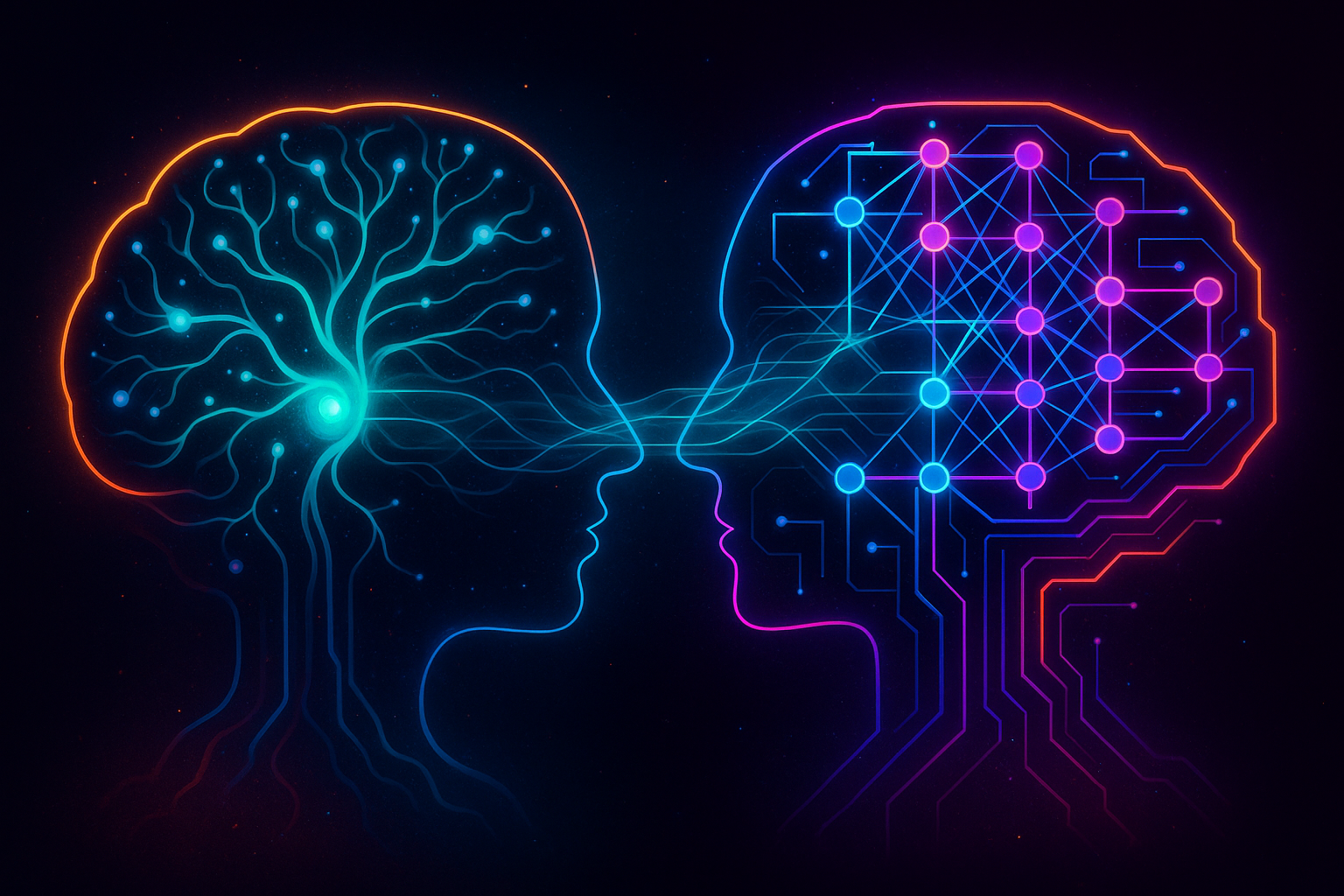
- What studying AI internals teaches us about biological cognition
- Why interpretability matters for human-AI collaboration
By the end of this series, you'll understand why the question "How do neural networks work?" finally has answers—and why those answers matter for understanding minds in general.
Articles in This Series




Comments ()