The Microbiome Revolution
For most of medicine's history, microbes were the enemy. Then researchers found trillions of them living inside healthy people — doing essential jobs. The microbiome revolution is rewriting what it means to be human.
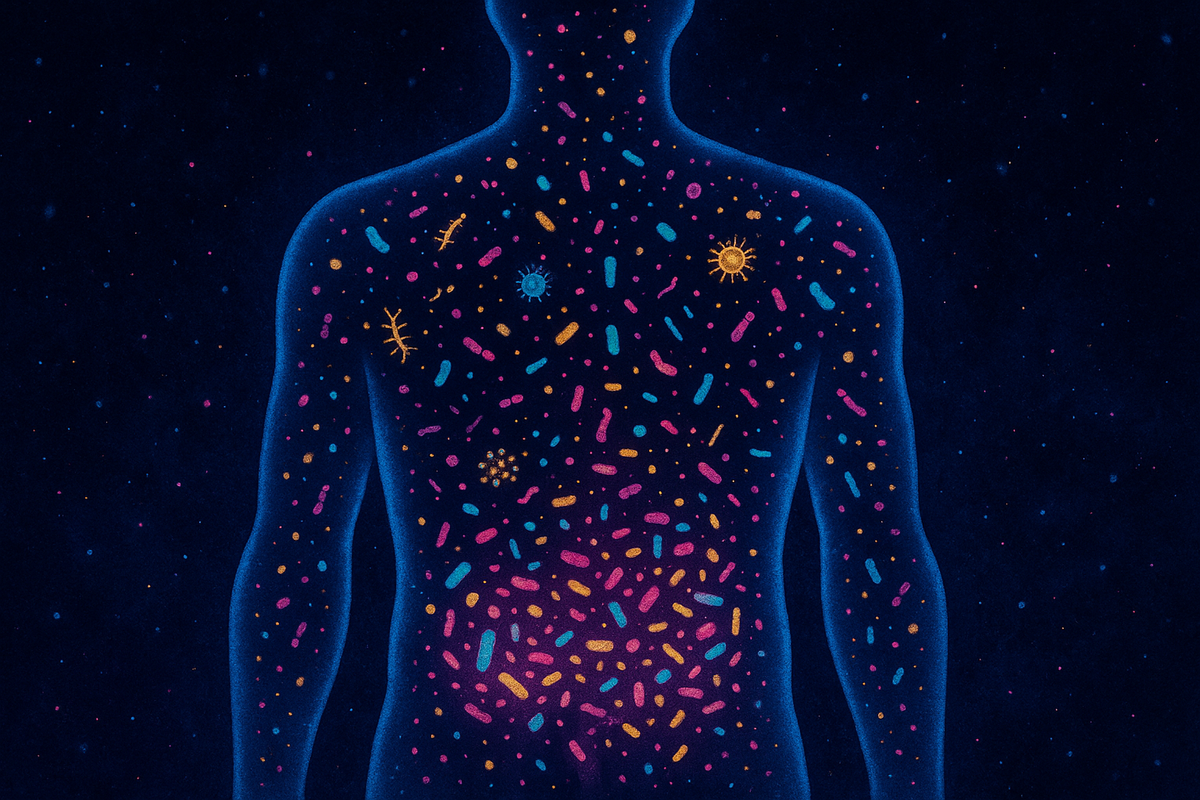
The Microbiome Revolution
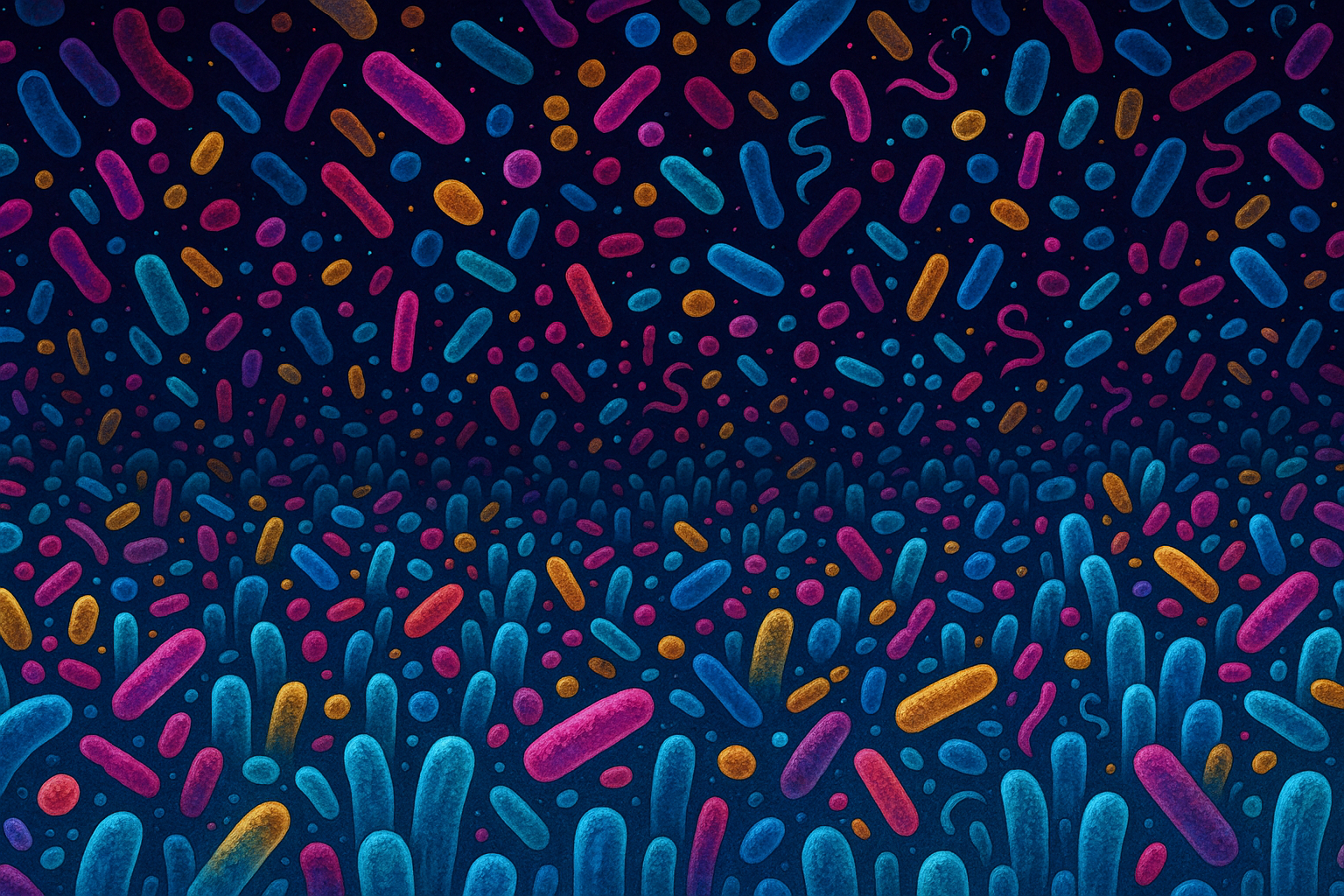
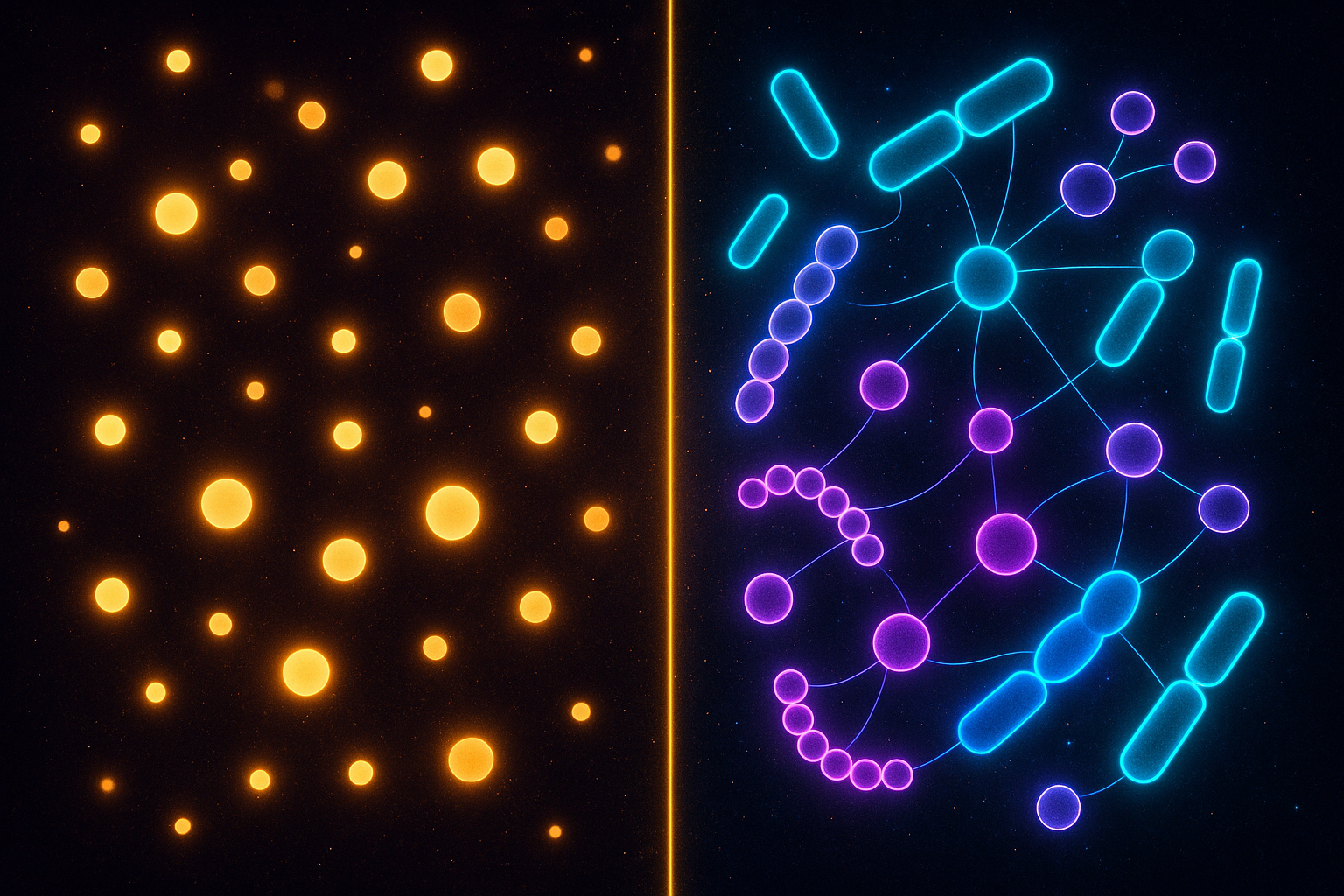
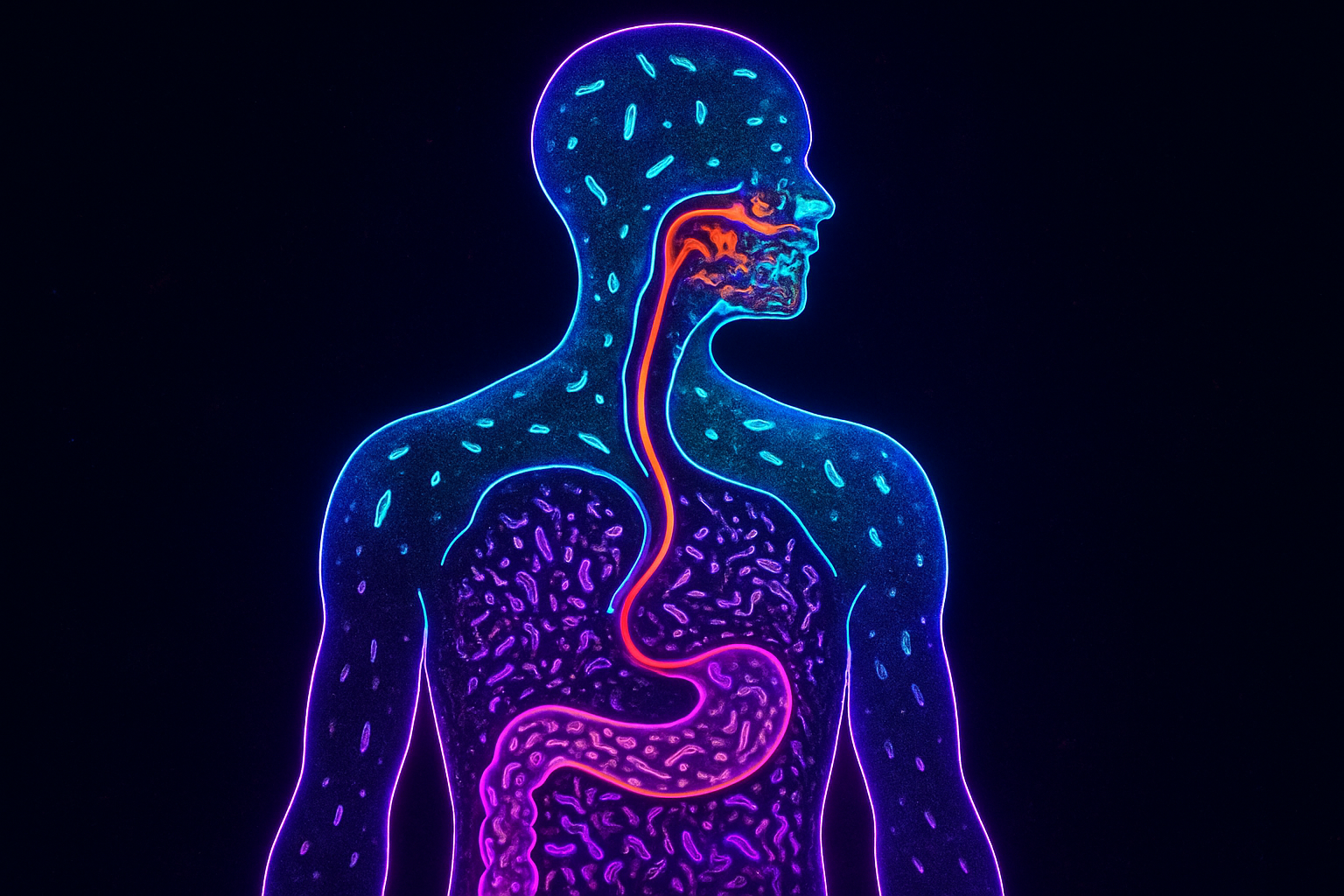
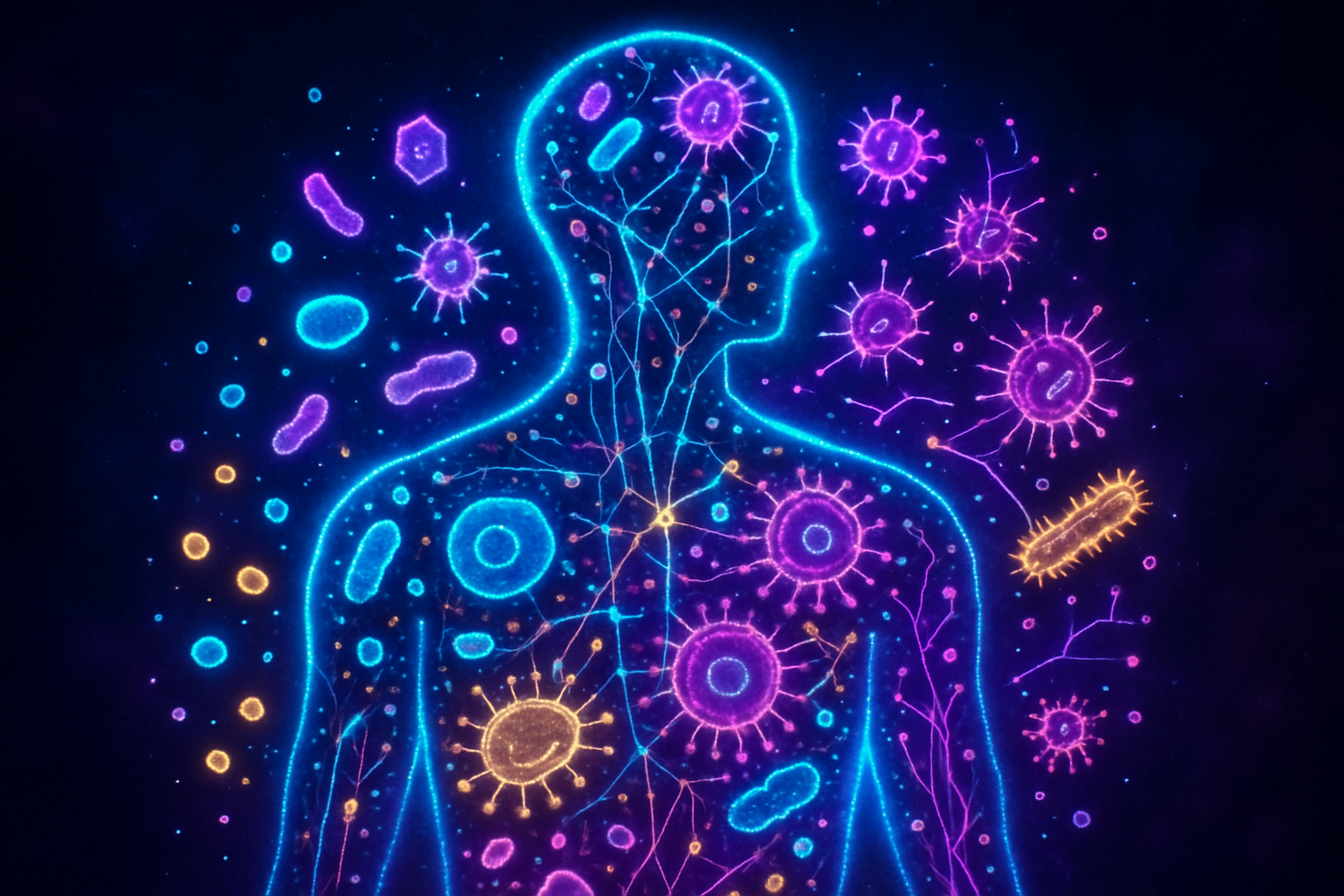
You are not alone in your body. Right now, trillions of bacteria, viruses, fungi, and archaea are living on your skin, in your gut, in your mouth, in every crevice and surface of your body. They outnumber your human cells. They contain more genes than your genome. They've been with you since birth and will leave when you die. This is your microbiome—the community of microorganisms that calls you home. For most of medical history, we ignored it. Bacteria were germs to kill, not partners to cultivate. The microbiome was invisible, unmeasured, unconsidered. That changed in the 2000s when sequencing technology made it possible to catalog who's living inside us. What we found revolutionized our understanding of health, disease, and what it means to be human. You're not an individual. You're an ecosystem.
The Series
Why It Matters
The microbiome isn't just academically interesting. It's medically important. Disrupted microbiomes have been linked to:
- Inflammatory bowel disease
- Obesity and metabolic syndrome
- Allergies and autoimmune conditions
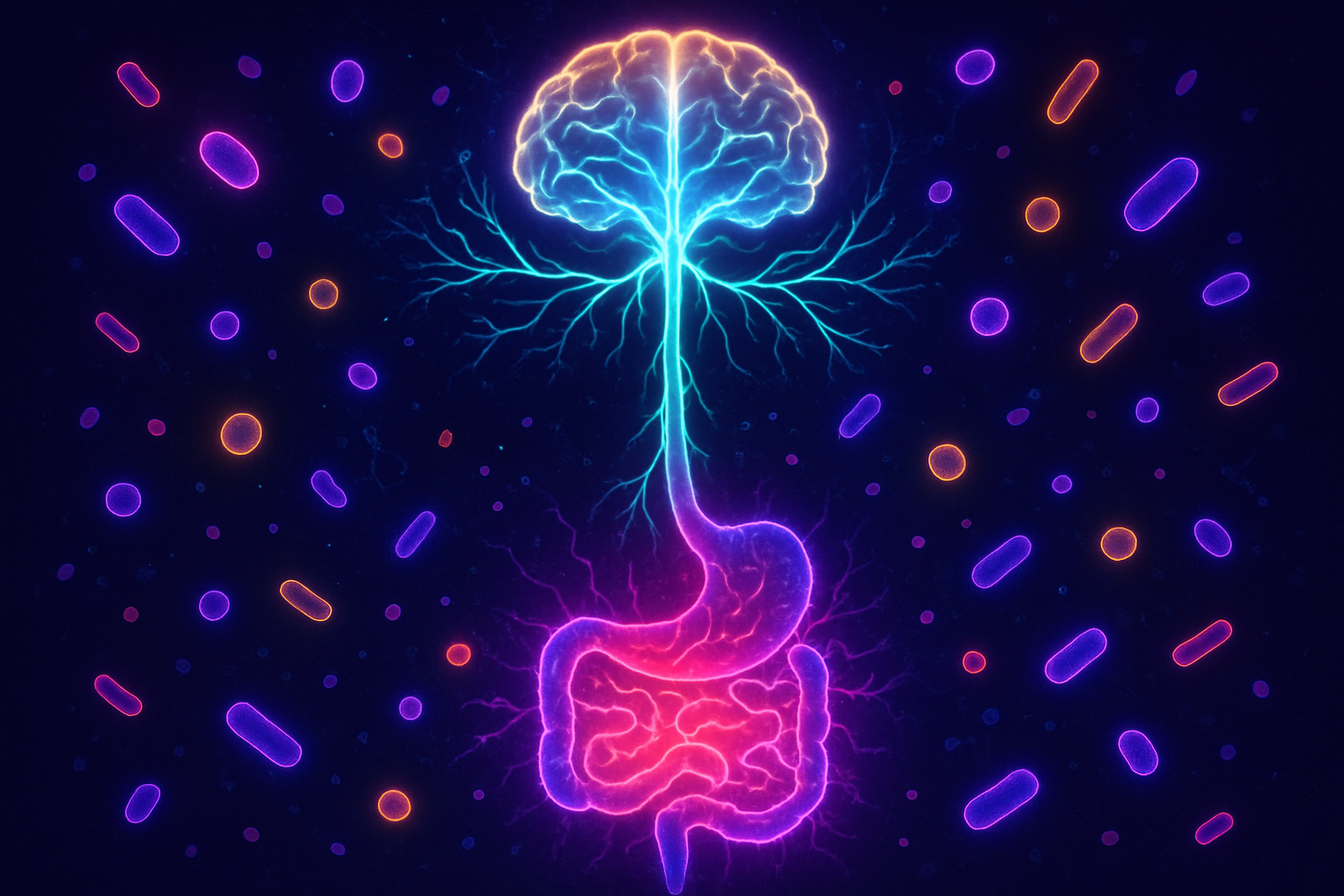
- Depression and anxiety
- Parkinson's disease
- Certain cancers
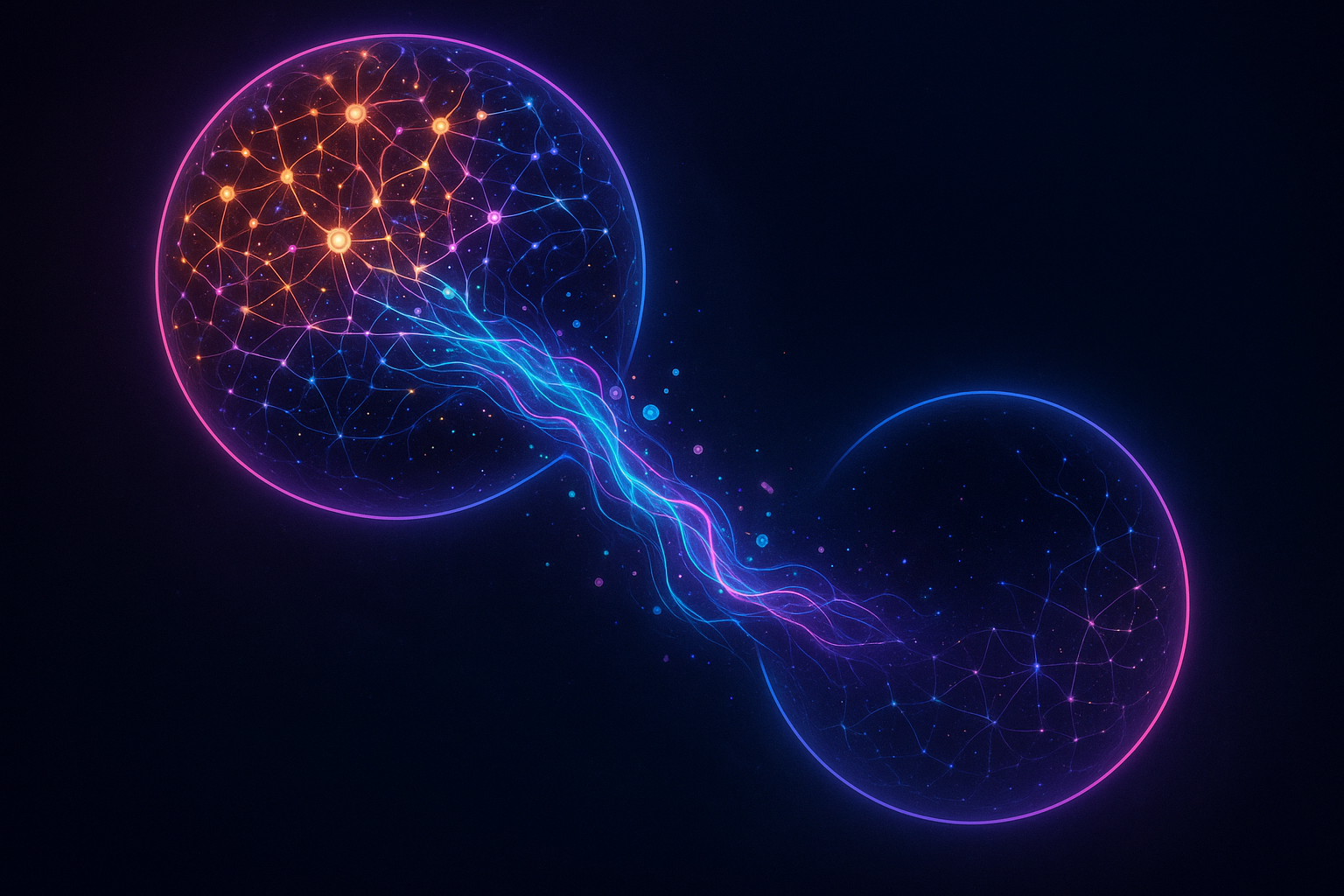
We don't fully understand these connections yet. Correlation is easier than causation. But the associations are strong enough that microbiome science is reshaping how we think about chronic disease. The implications for treatment are enormous. If you can restore a healthy microbiome, you might be able to treat conditions that were previously intractable. Fecal transplants for C. diff infection are already standard of care. Other applications are coming. Welcome to the ecosystem you never knew you were.

Comments ()