The Mitochondria Mythos
Everyone knows mitochondria are the "powerhouse of the cell." Almost no one knows they were once free-living bacteria that struck a deal with our ancestors 2 billion years ago — and still carry their own DNA to prove it.
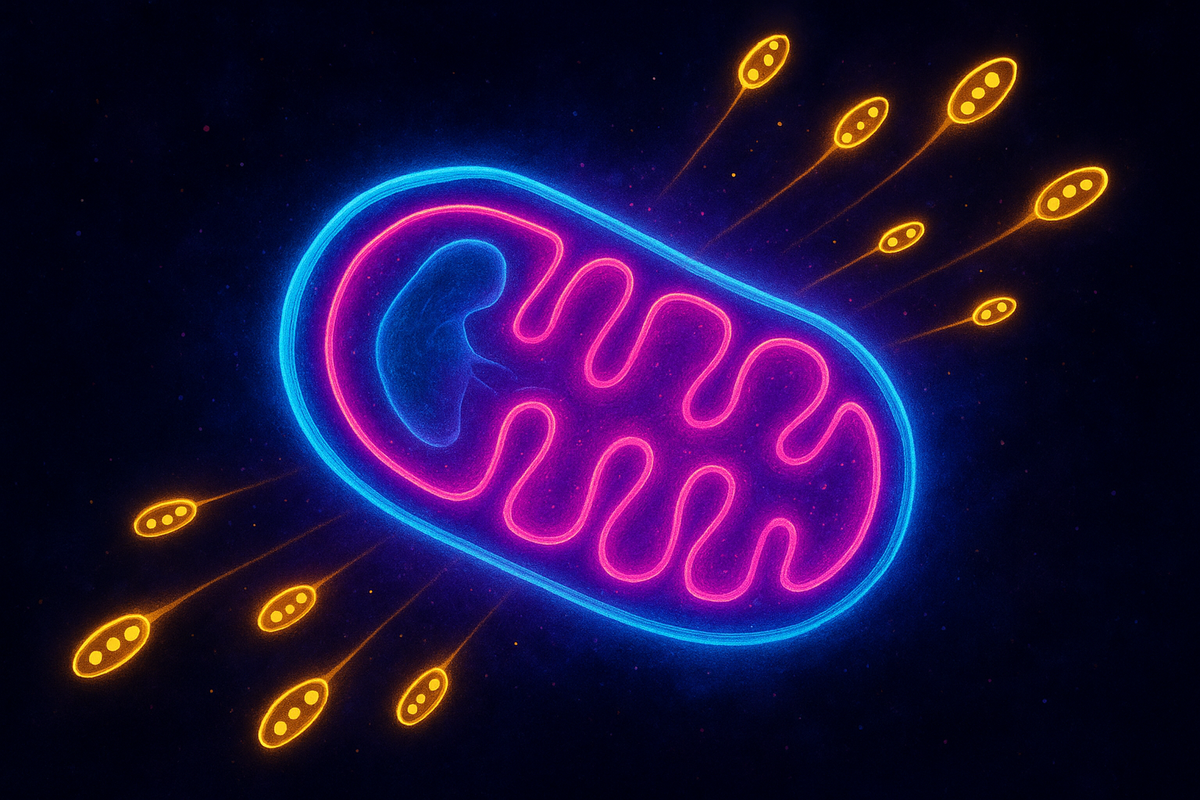
The Mitochondria Mythos
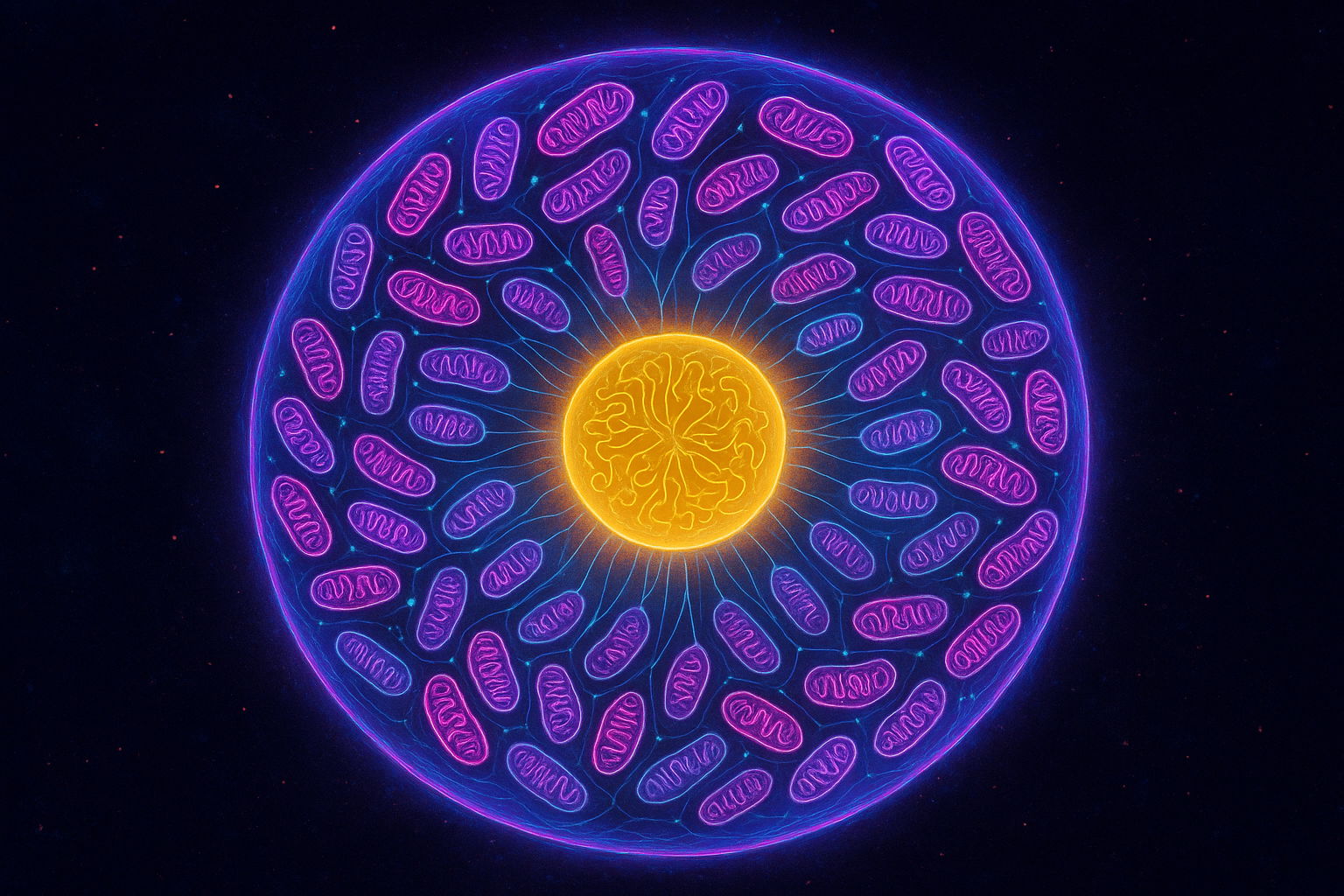
Two billion years ago, a bacterium crawled inside another cell and never left. That's the origin story of every complex cell on Earth. The invader—or maybe the guest—became the mitochondrion. It gave up its independence in exchange for protection. The host cell gave up some autonomy in exchange for power. The deal worked. It's still working, in every cell of your body, right now. Mitochondria aren't just organelles. They're the remnants of an ancient symbiosis, still running their own DNA, still speaking a bacterial language, still negotiating with the cells they inhabit. They're also the reason you can think, move, and read this sentence—the energy that powers everything comes from these tiny bacterial engines. This series explores the mitochondria mythos: the science of cellular power, the evidence of ancient cooperation, and why these organelles are at the center of aging, cancer, and the future of medicine.
The Series
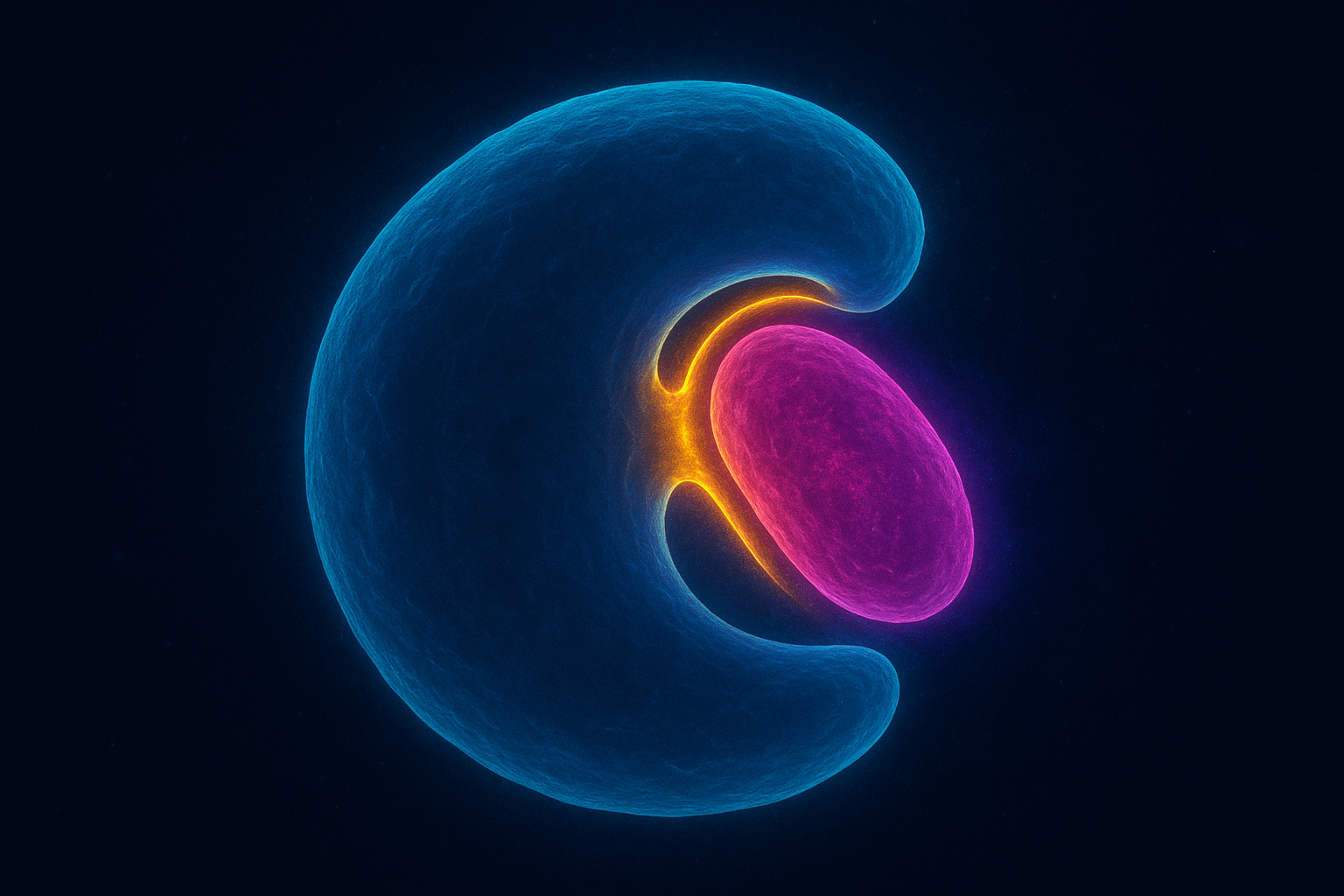
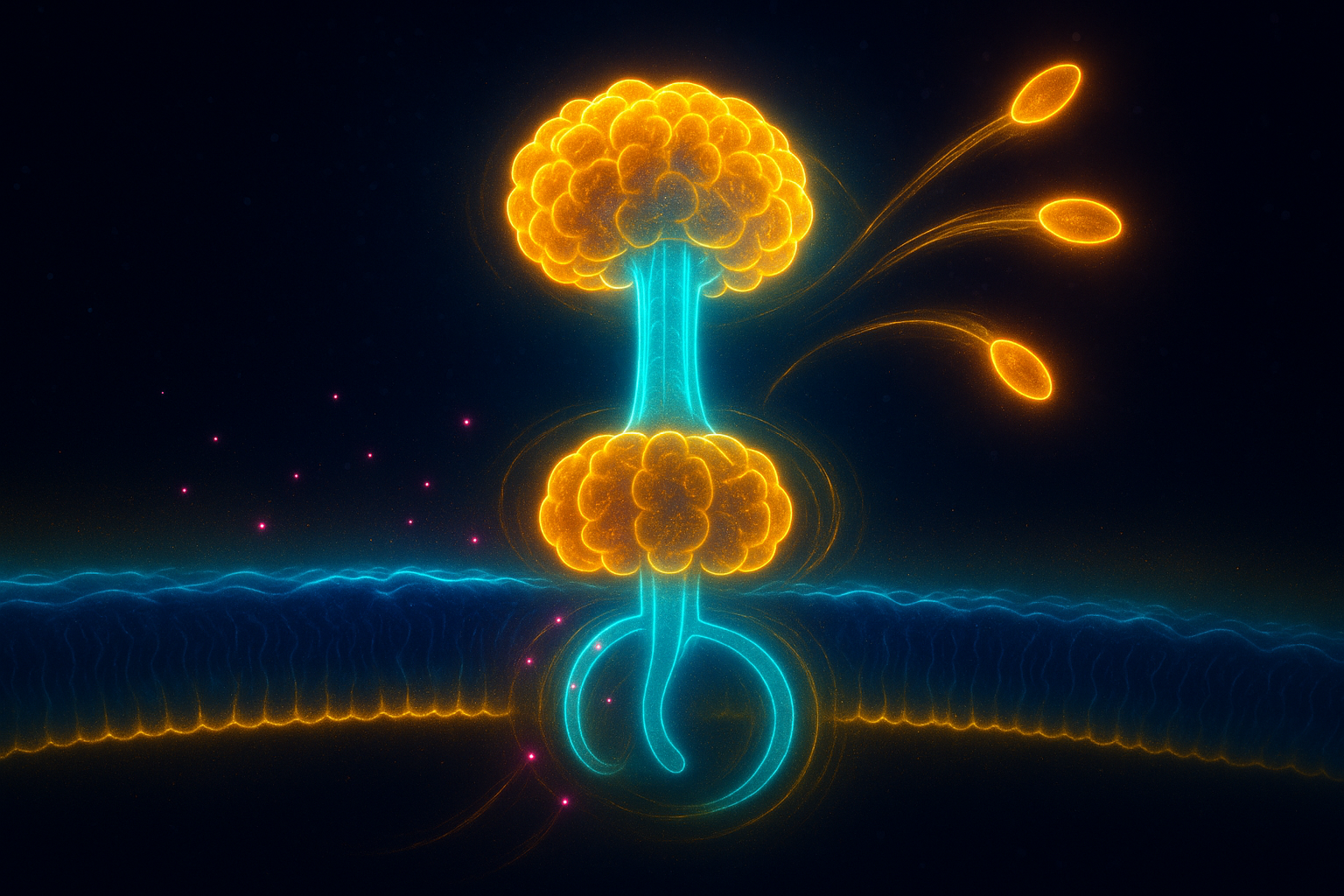
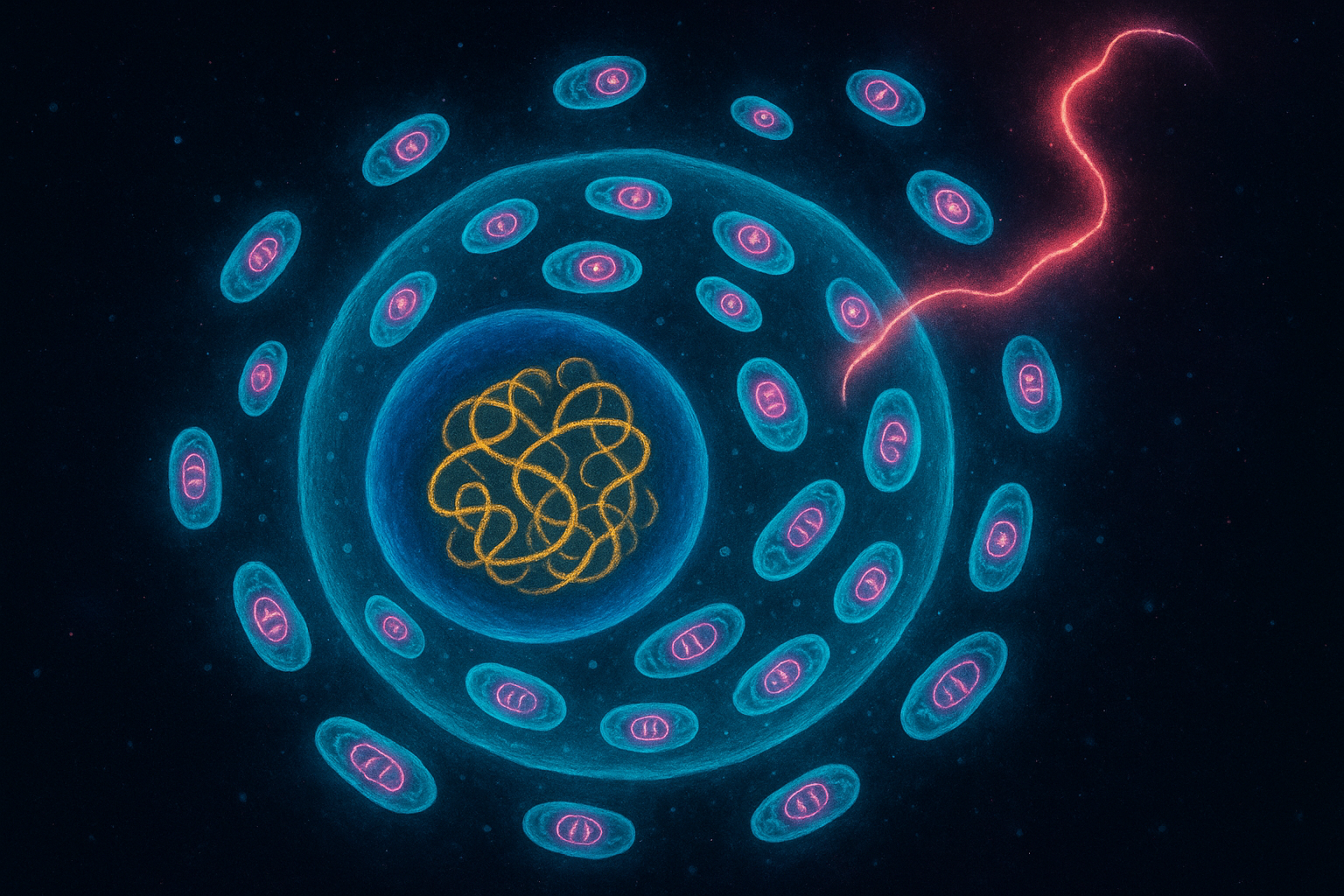
The Deep Story
Mitochondria are a window into one of evolution's most consequential experiments: the merger of two life forms into one. That merger wasn't smooth. It took hundreds of millions of years of co-evolution. The bacterium gave up most of its genes to the host nucleus. The host cell built elaborate systems to import proteins into mitochondria, coordinate their replication, and dispose of damaged ones. The result is a chimera—a cell that is two things at once. You are not a single organism but a collaboration. The mitochondria in your cells are the descendants of bacteria that made a deal two billion years ago. They're still honoring it. Welcome to the power plant.
Comments ()