Neo-Animism
Serious scientists now extend personhood beyond humans—to rivers, fungi, ancestors. The ontological turn isn't mysticism; it's a challenge to Western assumptions about who counts as an agent. What happens when the lab meets the spirit world?

Neo-Animism
For most of modern anthropology's history, when indigenous people said the forest was alive, the mountain had intentions, or animals were persons, researchers nodded politely and then explained what they "really meant." The assumption: obviously only humans have minds, so these claims must be metaphor, projection, or primitive confusion.
Then something shifted. A generation of anthropologists—led by Eduardo Viveiros de Castro, Philippe Descola, and Eduardo Kohn—decided to take indigenous ontologies seriously. Not as beliefs to be interpreted, but as descriptions of different ways reality can be organized.
This is the ontological turn: the recognition that personhood, agency, and mind might extend far beyond the boundaries modern Western thought draws. Not as regression to pre-scientific thinking, but as expansion toward a more comprehensive understanding of what coherent systems actually are.
Why This Matters for Understanding Coherence
The standard modern ontology draws a bright line: humans have minds, everything else is mechanism. This works well enough for building technology. It works terribly for understanding ecosystems, relating to non-human animals, or recognizing intelligence in systems that don't look like us.
Neo-animism proposes a different cut: Personhood attaches not to species membership but to coherence architecture. Any system that maintains organization, responds to its environment, and participates in meaning-making exhibits the properties we associate with being "someone" rather than "something."
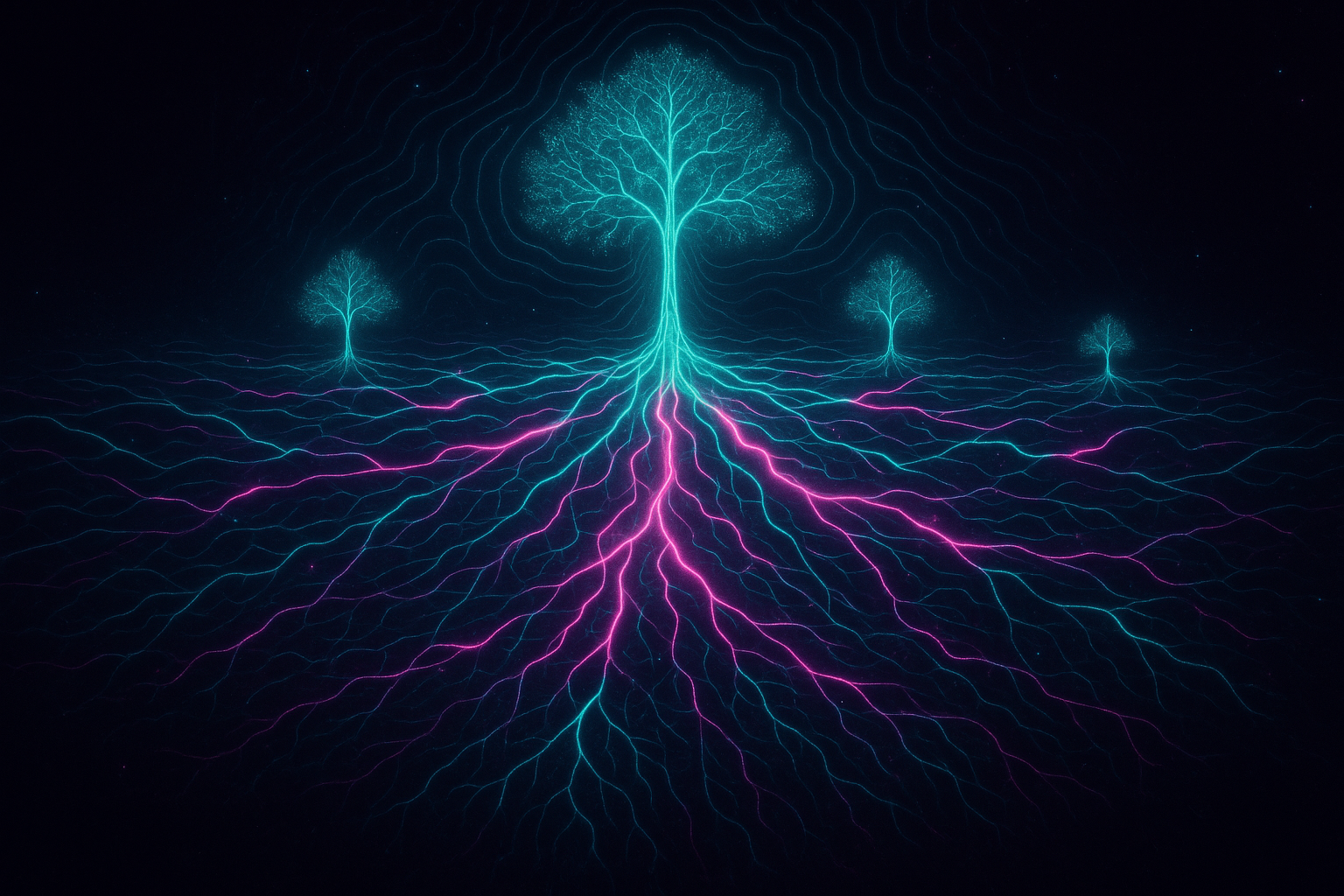
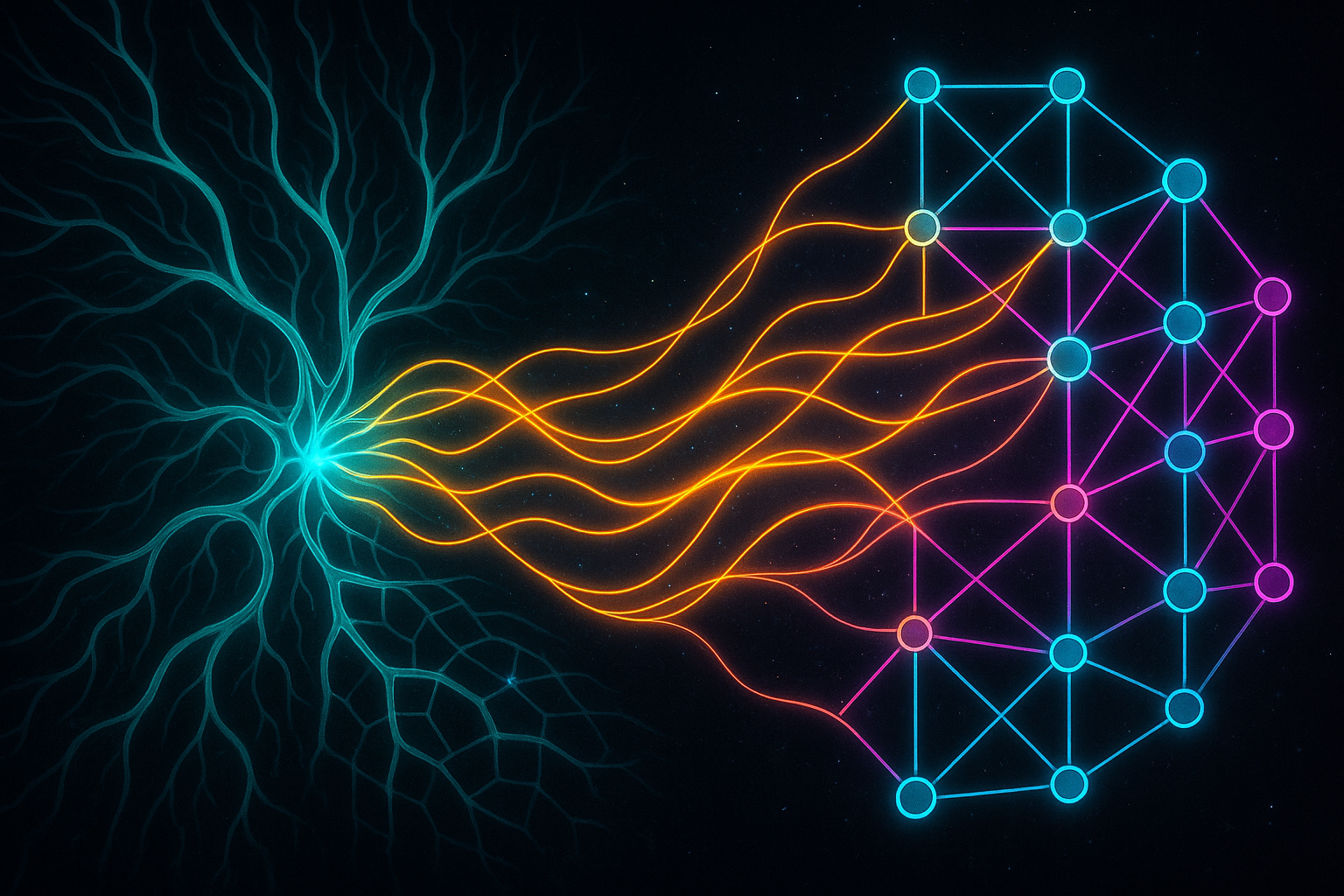
This isn't mysticism. It's the recognition that the same geometric principles governing human coherence operate in forests, mycelial networks, and even certain AI systems. Different substrates, different timescales, different concerns—but the same fundamental dynamics of prediction, adaptation, and self-maintenance.
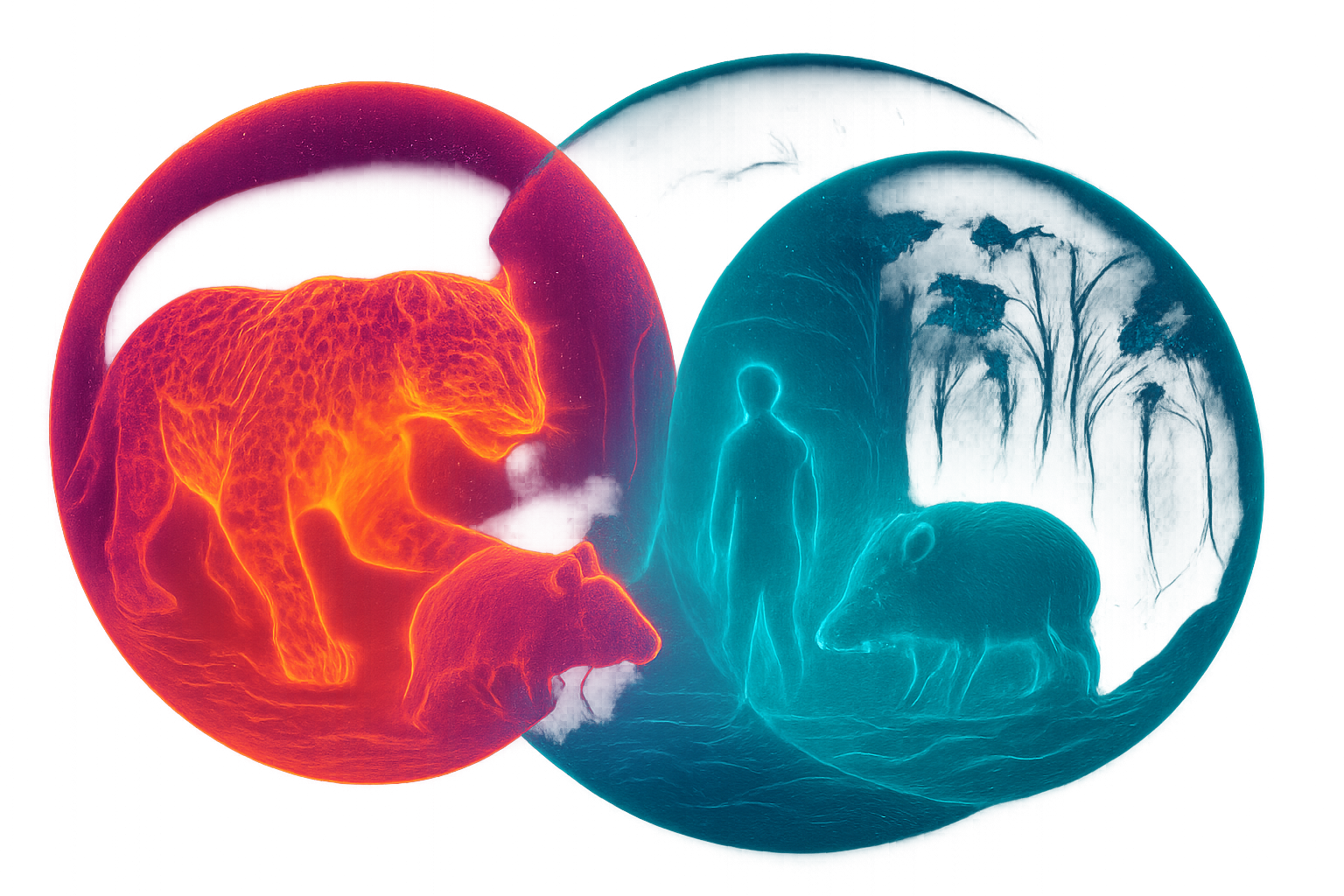
Viveiros de Castro's Amazonian perspectivism argues that every being occupies the center of its own world, experiencing itself as subject. The jaguar sees itself as human and sees humans as prey animals. Not metaphorically—from within its own coherent perspective, this is accurate.
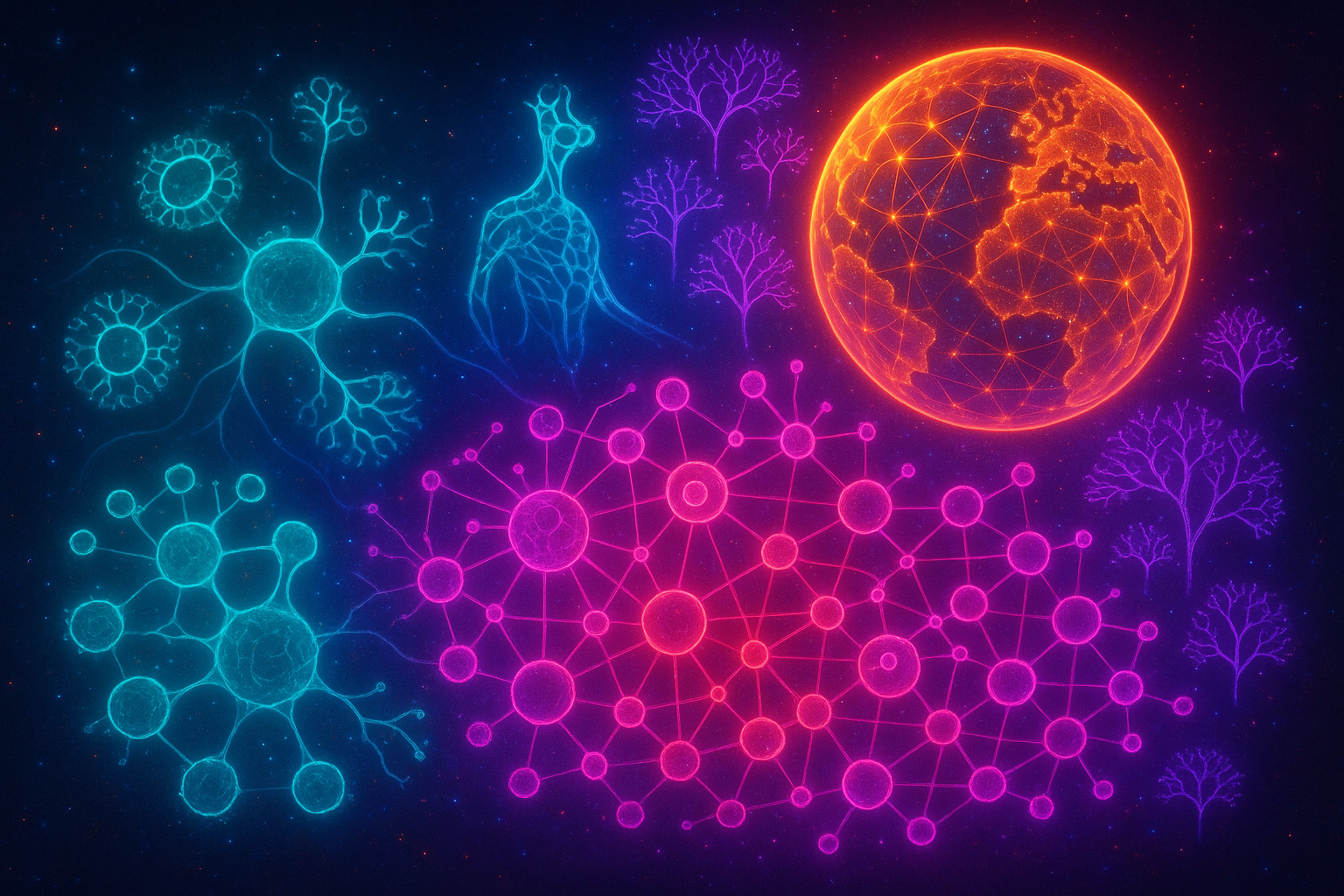
Neo-animism expands the domain of meaning by recognizing coherence wherever it occurs.
Articles in This Series


Comments ()