Neuromorphic Computing
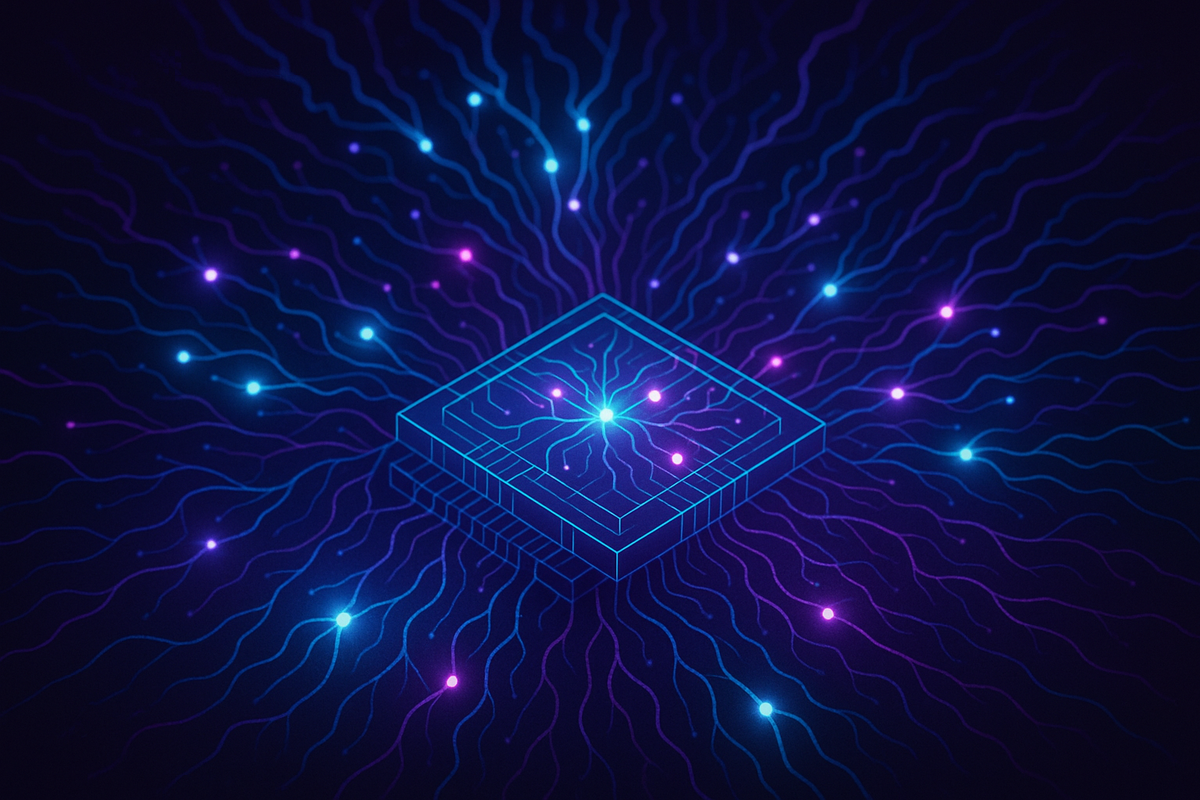
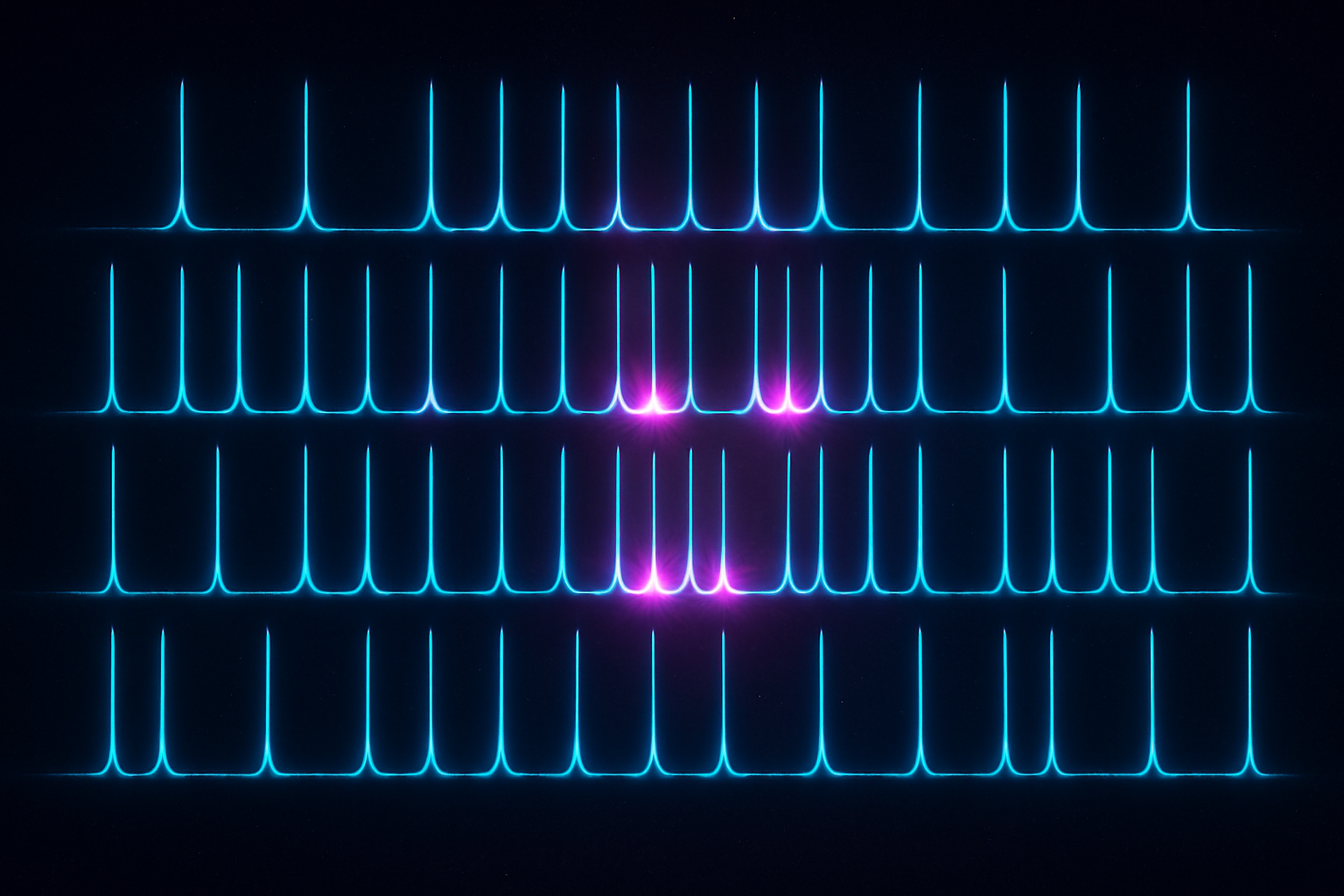
Traditional chips run on clocks. Neuromorphic chips fire in spikes—mimicking the brain's event-driven architecture and running up to 1000x more efficiently than GPUs for certain tasks. Intel's Loihi and event-based sensors are making this real.
Your laptop uses about 65 watts to run. Your brain uses about 20. And your brain is doing far more: integrating sensory streams, maintaining autobiographical continuity, running predictive models of the world, coordinating movement, processing language, and managing thousands of concurrent processes—all on the energy budget of a dim lightbulb.
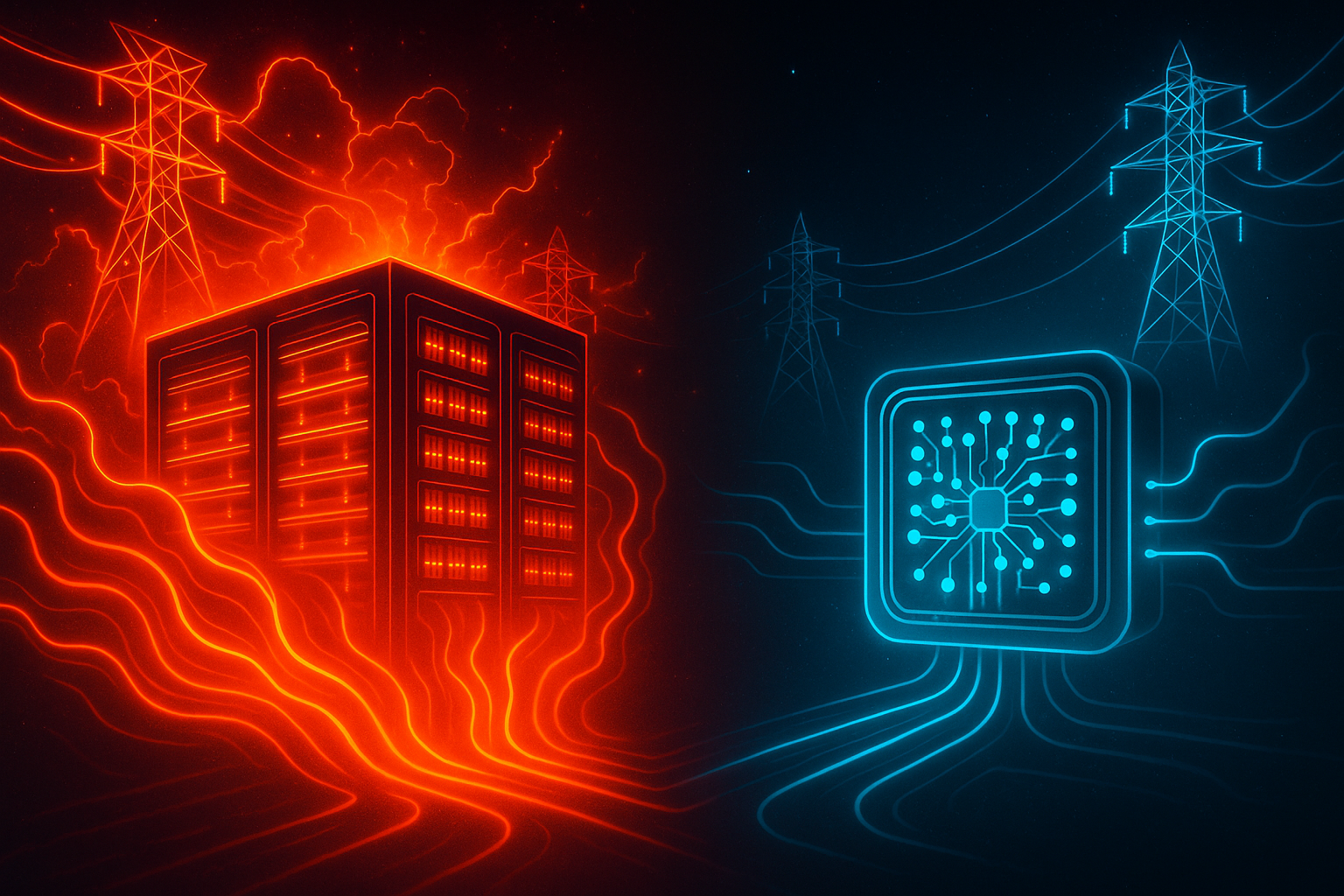
The gap between biological and silicon efficiency isn't just large. It's embarrassing. And it's unsustainable. Current AI systems require data centers that consume megawatts to achieve what evolution did with milliwatts.
Neuromorphic computing is the attempt to close that gap: building hardware that computes the way brains compute, with spikes and timing and event-driven processing instead of continuous floating-point operations on synchronized clocks. It's not just mimicry. It's recognizing that biological brains discovered computational principles that silicon has yet to implement.
Why This Matters for Coherence
Brains maintain coherence across time with radically different computational principles than conventional computers. Understanding those principles—event-driven processing, temporal coding, local learning rules, sparse activation—illuminates what coherence looks like when implemented efficiently in physical substrates.
Neuromorphic computing isn't just about efficiency. It's about understanding what kinds of computation naturally support coherence maintenance in real-time physical systems.
What This Series Covers
This series explores neuromorphic computing and its implications for understanding brain-like intelligence, efficiency, and the future of AI. We'll examine:
- How biological neurons actually compute using spikes and timing
- Current neuromorphic hardware from Intel, IBM, and academic labs
- Event-based sensors that see the way eyes see
- Liquid neural networks and continuous-time computation
- Why neuromorphic architectures are inevitable given AI's energy crisis
- How neuromorphic hardware naturally implements active inference
- The path to powerful AI running on wearable devices
By the end of this series, you'll understand why the question "How should we build intelligent machines?" has an answer written in biology—and why that answer is finally being translated into silicon.
Articles in This Series





Comments ()