The New Neuroscience
The tools available to neuroscientists in 2000 and those available today are barely comparable. Optogenetics, high-density electrode arrays, and whole-brain imaging have opened questions that were previously untestable — and delivered genuinely surprising answers about how the brain computes.
The New Neuroscience
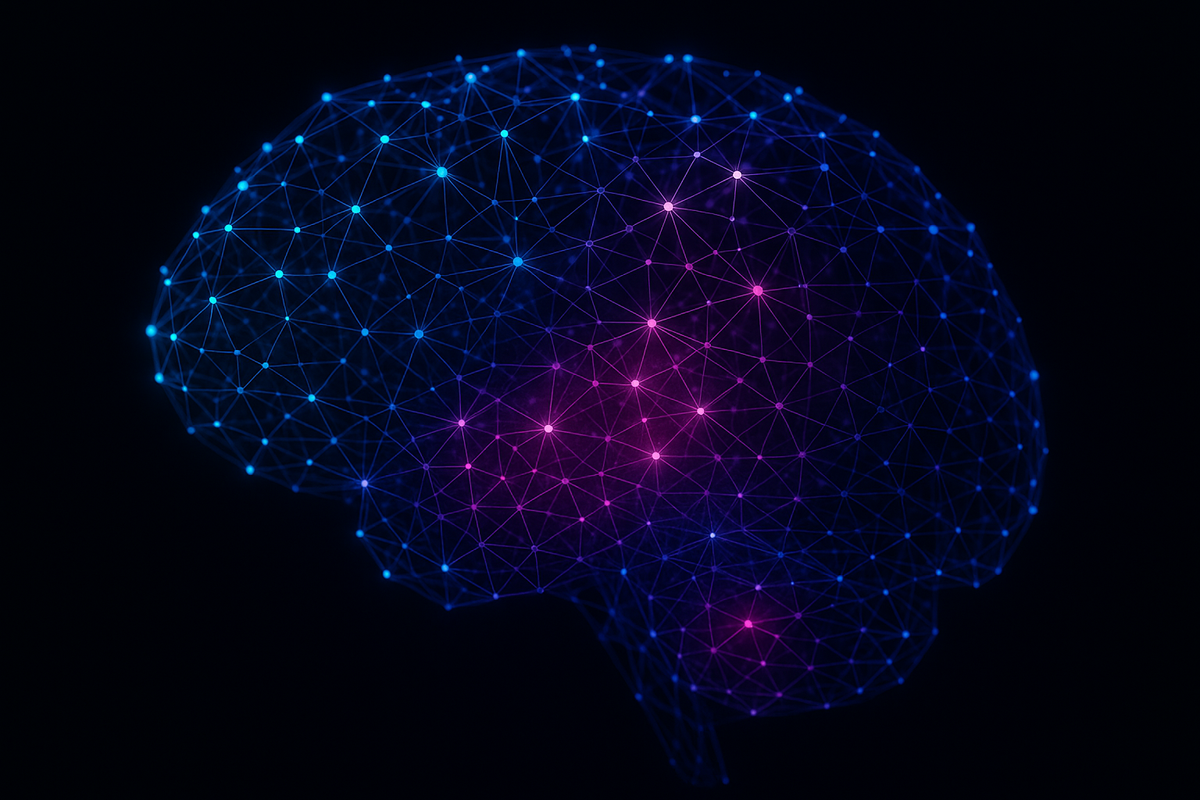
The brain is the most complex object in the known universe. 86 billion neurons, each connected to thousands of others, running on 20 watts of power, generating consciousness, memory, emotion, language, and everything you call "you." And for most of history, we couldn't see any of it working. The last two decades changed that. We can now watch neurons fire in real time. We can control specific cell types with beams of light. We can map entire brains, synapse by synapse. We've discovered that half the cells in your brain aren't even neurons—and they might matter more than we thought. The tools got better. The old stories got complicated. And we're learning that the brain is stranger than we imagined.
Why This Matters
Every week, another headline claims we've "found" the brain region for love, or decision-making, or political beliefs. Most of it is noise. Sample sizes too small. Effects too weak. Interpretations too confident. But underneath the hype, real progress is happening. The methods are getting better. The replication crisis forced the field to clean up. And some findings—from optogenetics, from connectomics, from predictive processing—are genuinely revolutionary. This series separates signal from noise. What do we actually know about the brain? What tools let us know it? And what does it mean for understanding ourselves? The organ that makes you you is finally revealing its secrets.
Comments ()