Precalculus Explained
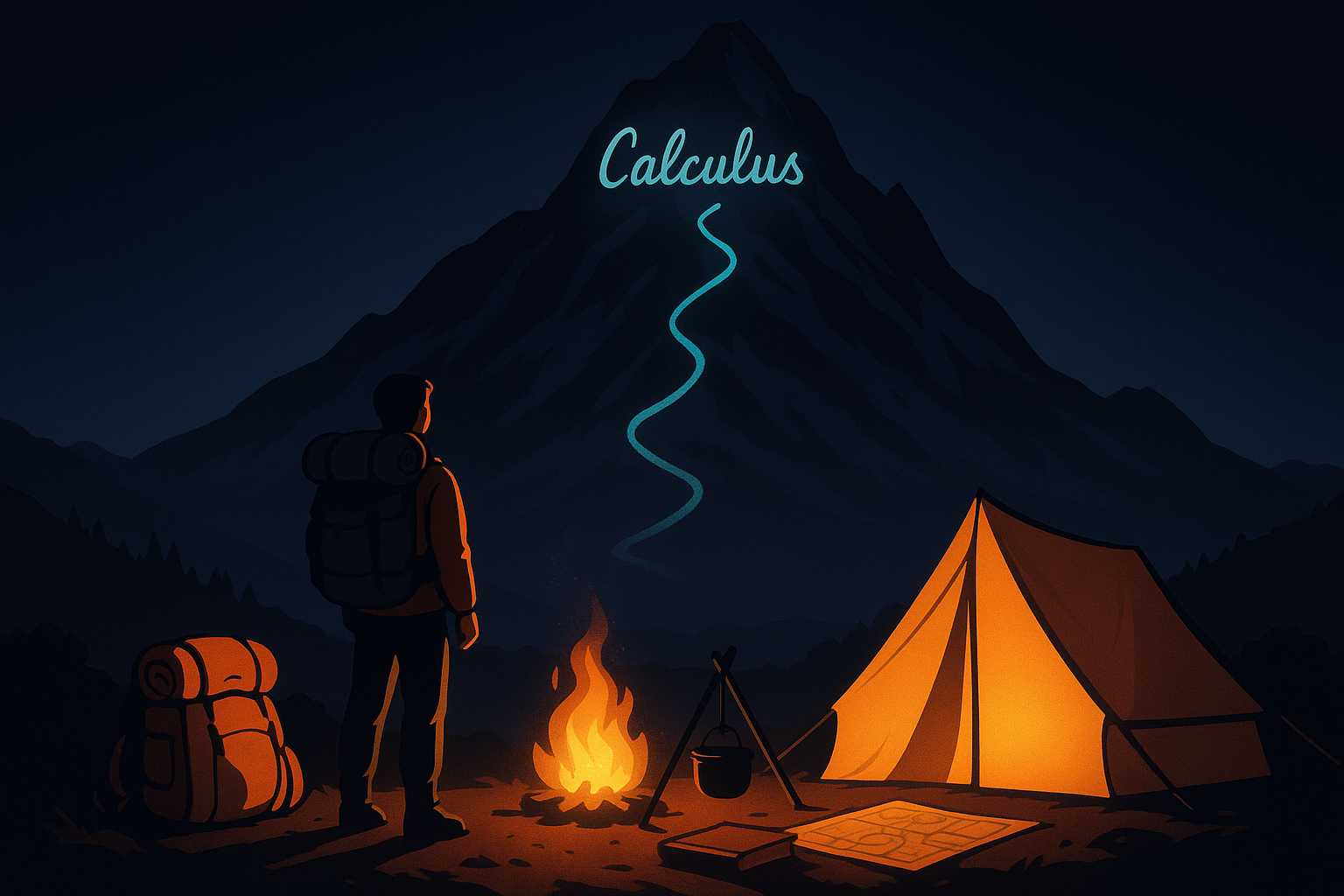
Calculus doesn't start at derivatives — it starts at a solid grasp of functions: what they are, how they transform, how they compose, and how to invert them. Precalculus builds that foundation. Skip it and calculus becomes symbol manipulation; understand it and the ideas make sense.

Calculus is the mathematics of change. But before you can describe how things change, you need to describe the things themselves.
That's what precalculus does. It builds the vocabulary for describing relationships between quantities.
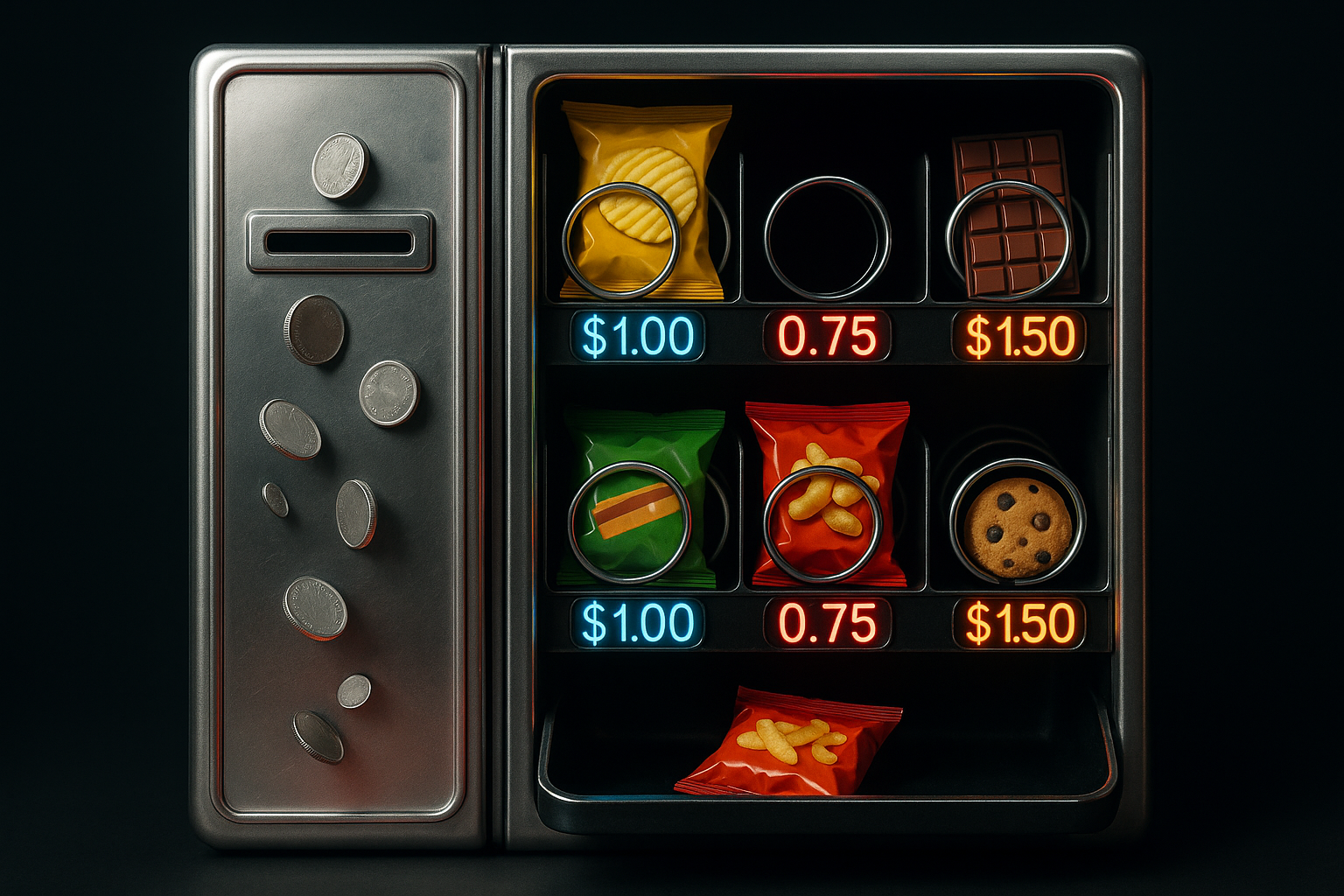
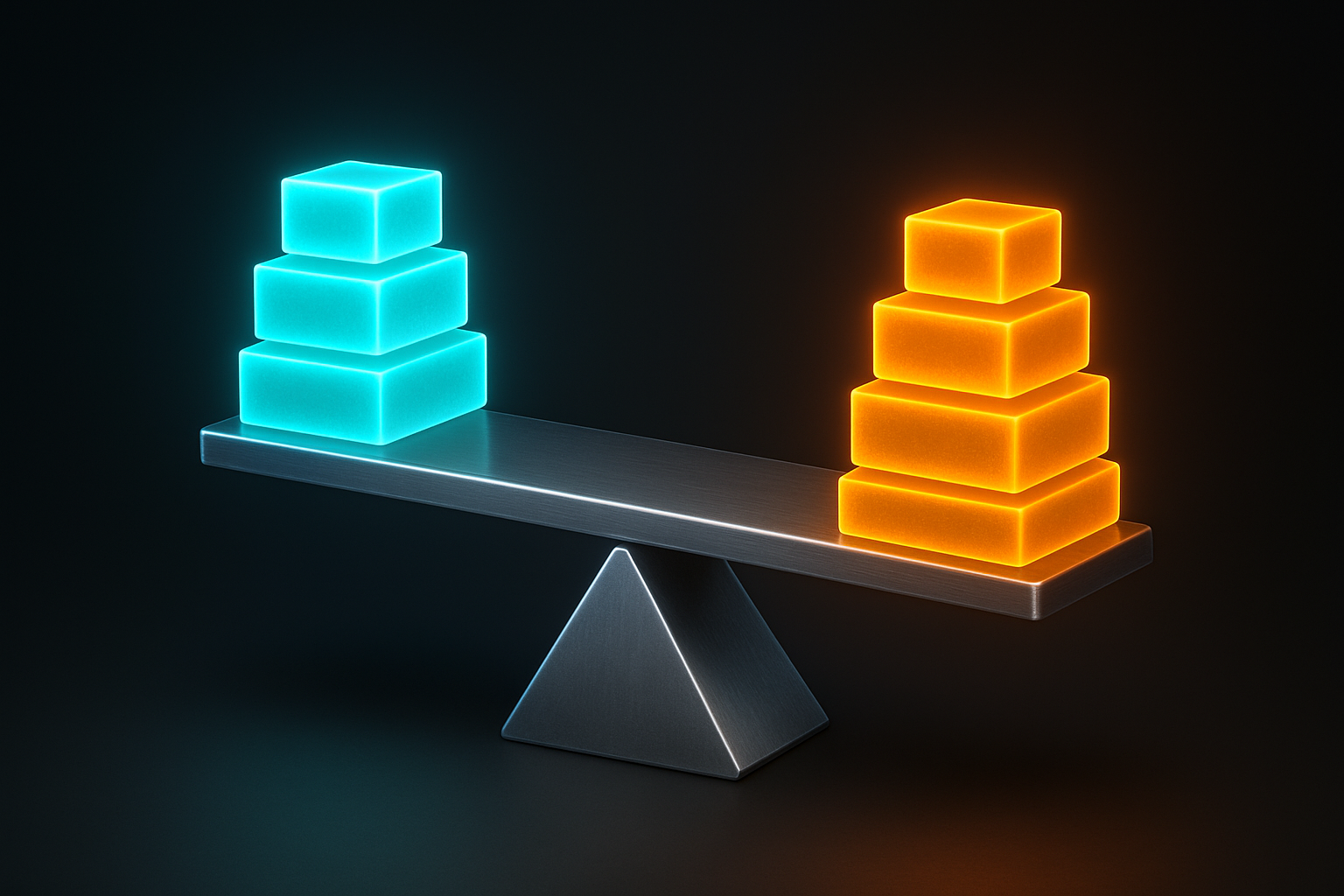
A function maps inputs to outputs. The domain tells you which inputs are allowed. The range tells you which outputs are possible. Transformations show you how to shift, stretch, or flip a graph. Composition lets you chain functions together. Inverses let you run functions backward.
These aren't random preliminaries. They're the conceptual infrastructure calculus assumes you have.
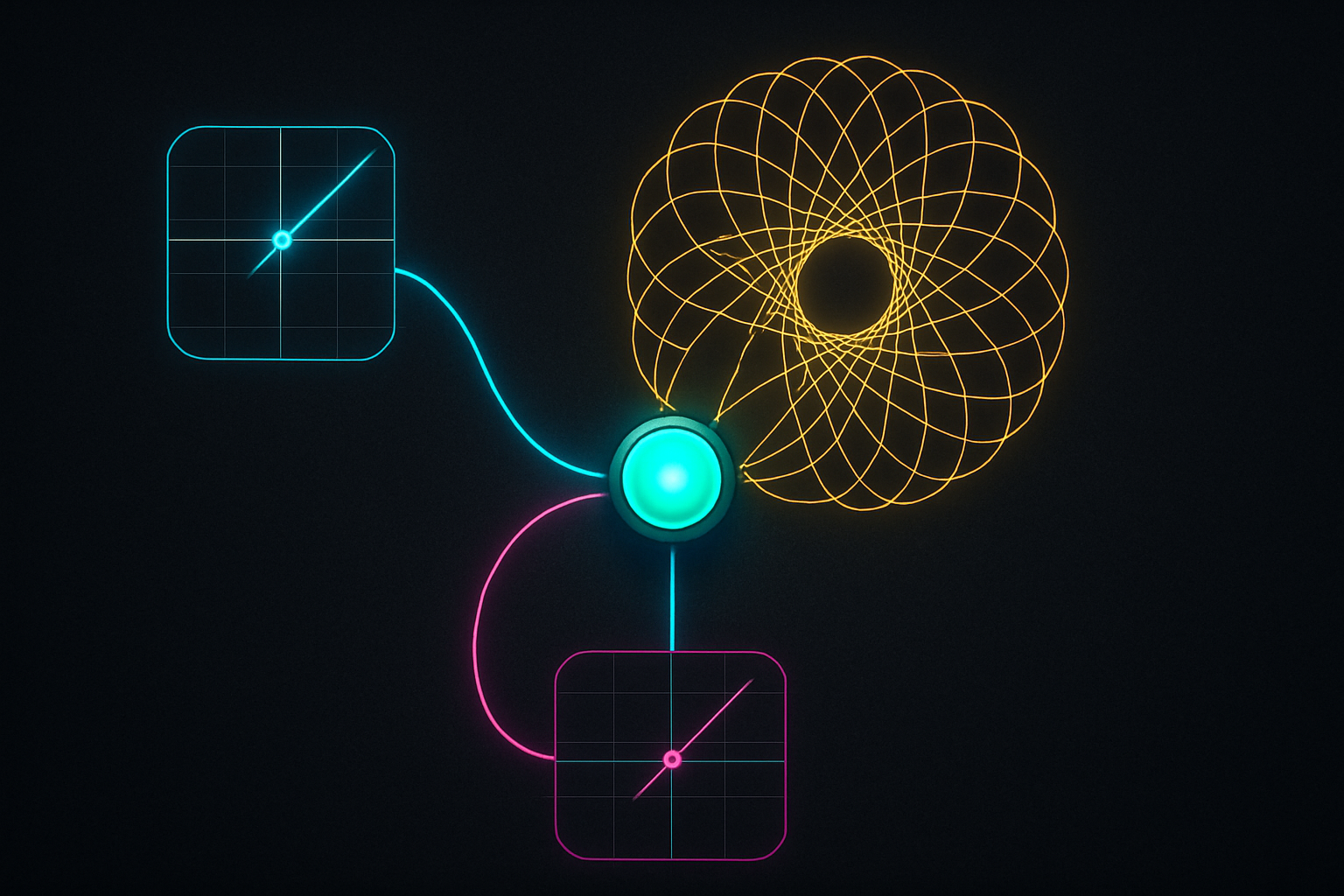
Rational functions introduce you to asymptotes—lines the function approaches but never touches. Conic sections show you what happens when you slice a cone at different angles. Parametric equations let you describe curves that loop back on themselves. Polar coordinates give you a different coordinate system entirely, where some curves become simpler.
Then comes limits—the core idea calculus is built on. A limit describes what happens as you get arbitrarily close to something without necessarily reaching it. Asymptotic behavior extends this: what happens as inputs get very large or very small?
The Bridge to Calculus
Precalculus is not a separate subject. It's the last stage of building up to calculus.
Calculus asks: How fast is this changing? What's the total accumulation? What's the maximum or minimum?
But to ask those questions, you need to be fluent with functions. You need to recognize when a function is continuous, when it has asymptotes, when it's defined. You need to understand what a limit means.
Precalculus gives you that fluency.
What's in This Series
This series covers the core concepts of precalculus:
- Functions, domain, and range
- Transformations and composition
- Inverse functions
- Rational functions and asymptotes
- Conic sections
- Parametric and polar coordinates
- Limits and asymptotic behavior
Each concept gets its own article. Read them in order, or jump to what you need.
The goal is not mastery of technique. The goal is conceptual clarity. If you understand what these ideas mean, the techniques follow naturally.
This is the hub page for the Precalculus series.
Next: What Is Precalculus? The Bridge to Higher Mathematics
The Series






Comments ()