Propaganda and Persuasion Science
Propaganda stopped being purely rhetorical a long time ago. Today it's an applied science — drawing on cognitive biases, network dynamics, and behavioral economics to shift belief at population scale. Understanding its mechanics is no longer optional intellectual hygiene.
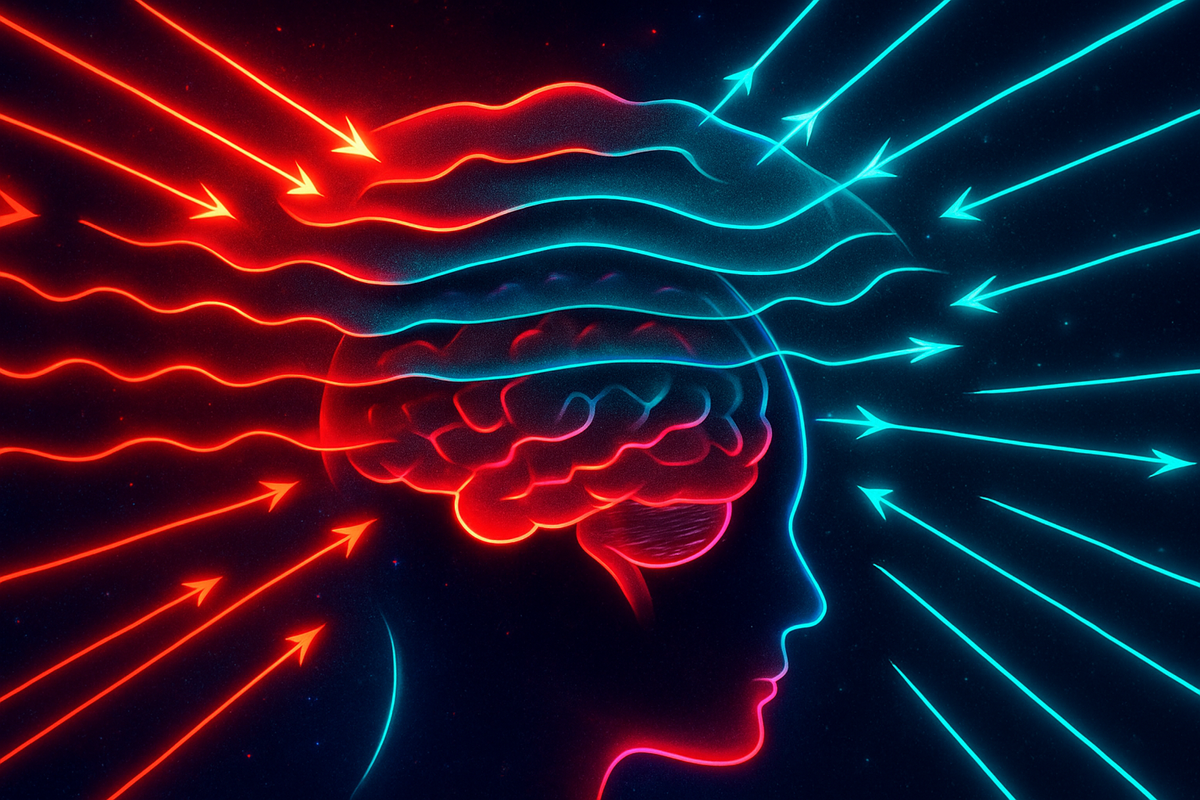
Propaganda and Persuasion Science
You're being engineered.
Not occasionally. Not maybe. Every day, across every platform, through every medium, someone is trying to shape your beliefs, behaviors, and desires using techniques developed over a century of scientific research into human influence.
This isn't conspiracy thinking. It's the explicit business model of advertising, public relations, political consulting, and social media. The science of persuasion is mature, well-funded, and continuously improving. The targets of that science are you and everyone you know.
This series explores the science of influence: how it was developed, how it works, and how to defend against it.
What You'll Learn
Edward Bernays—Sigmund Freud's nephew—invented modern public relations by applying psychological insights to mass persuasion. He called it propaganda before that word became poisonous. His techniques are now so ubiquitous they're invisible.
Noam Chomsky and Edward Herman dissected how media manufactures consent—not through crude censorship but through structural biases that filter what counts as news and who counts as a legitimate voice.
Richard Thaler and Cass Sunstein showed that choice architecture shapes decisions. Every choice you make is influenced by how it's presented. Nudge theory made this explicit—and controversial.
Inoculation theory reveals how to prebunk manipulation—exposing people to weakened forms of propaganda to build resistance, like a vaccine for the mind.
Misinformation research has mapped how lies spread—faster and further than truth, according to the largest study ever conducted. The architecture of information systems favors falsehood.
Computational propaganda—bots, astroturfing, coordinated influence operations—has industrialized manipulation. What once required expensive media buys now runs on algorithms.
Why This Matters Now
The science of influence has always been asymmetric. The persuaders have budgets, research teams, and a century of accumulated knowledge. The targets—you—have intuition and whatever critical thinking skills school provided.
That asymmetry is widening. Digital platforms enable targeting at unprecedented precision. Machine learning optimizes persuasion in real time. The volume of influence attempts has exploded.
But the asymmetry can be partially corrected. Understanding how influence works is the first step to resisting it. Not complete immunity—no one achieves that. But partial resistance, enough to maintain some sovereignty over your own mind.
This series provides that understanding.
Series Overview
1. [You're Being Engineered](/propaganda-engineering-notice/) — Introduction to persuasion science 2. [Edward Bernays: The Original Spin Doctor](/edward-bernays-propaganda/) — How modern propaganda was invented 3. [Manufacturing Consent](/manufacturing-consent-chomsky/) — Chomsky's analysis of media manipulation 4. [Nudge Theory](/nudge-theory-thaler-sunstein/) — How choice architecture shapes decisions 5. [Inoculation Theory](/inoculation-theory-prebunking/) — Prebunking as mental defense 6. [How Lies Spread](/misinformation-research-spread/) — The science of misinformation 7. [Computational Propaganda](/computational-propaganda-bots/) — Bots, astroturfing, and influence operations 8. [Synthesis: Defending Your Mind](/propaganda-defense-synthesis/) — Building personal resistance
This is the hub page for the Propaganda and Persuasion Science series, exploring how influence works, how it's been weaponized, and what resistance looks like.

Comments ()