Quantum Cognition
Quantum cognition doesn't claim neurons are quantum computers. It claims the math of quantum probability — superposition, interference, non-commutativity — better describes human judgment than classical Bayesian models. The evidence is surprisingly strong.
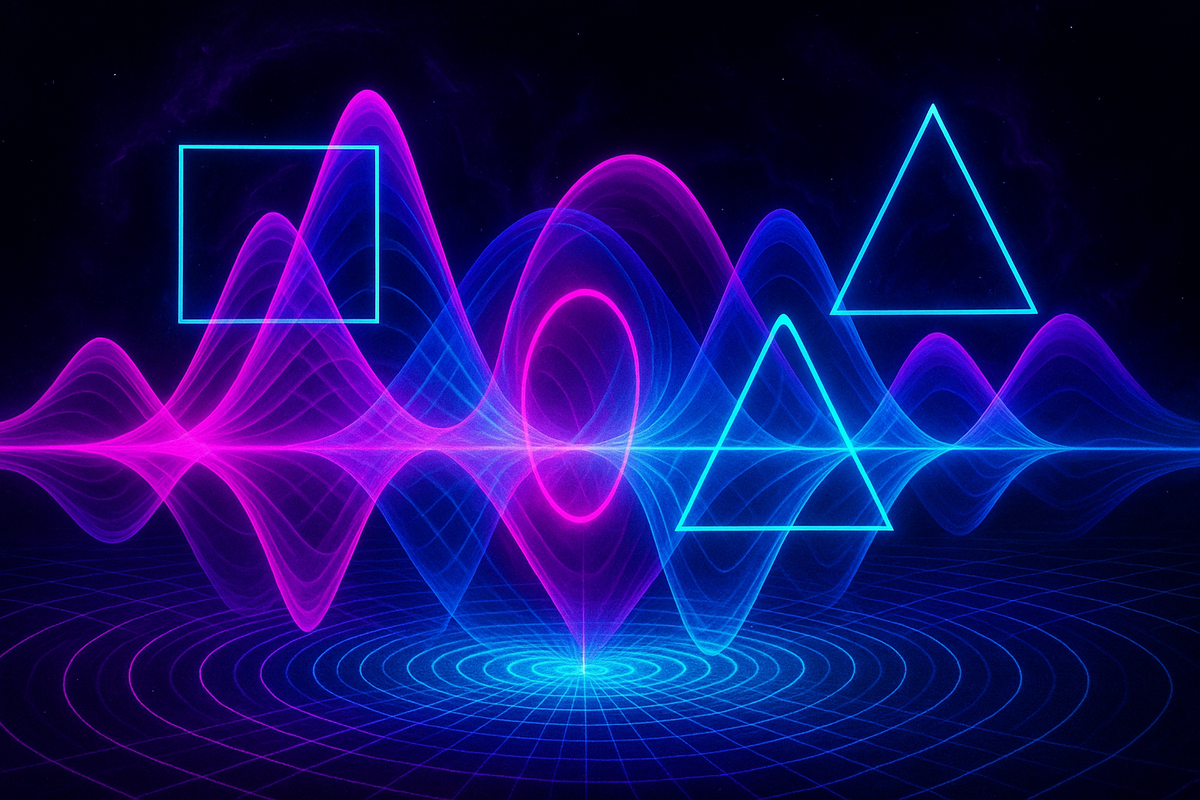
Quantum Cognition
Why does asking people "Is Linda a bank teller?" give one answer, but asking "Is Linda a feminist bank teller?" give a different, logically impossible one? Why does the order of questions change people's responses? Why do human judgments violate classical probability so consistently?
For decades, cognitive scientists treated these as errors, biases, or irrationalities. Then a group of researchers proposed something radical: what if human cognition doesn't follow classical probability because it follows quantum probability instead?
Not because there's anything quantum happening in the brain—at least not necessarily. But because the mathematical structure of quantum theory better captures how human uncertainty, context-dependence, and interference work. Human judgment exhibits superposition, order effects, contextuality, and interference patterns that classical logic can't explain but quantum formalism can.
Why This Matters for Coherence
If human cognition is quantum-like, it means our uncertainty isn't just incomplete information waiting to be resolved. It's genuine superposition—multiple incompatible states coexisting until measurement collapses them. Context doesn't just reveal pre-existing beliefs; it actively shapes what beliefs can emerge. This has profound implications for understanding how minds maintain coherence while navigating genuine ambiguity.
Quantum cognition provides a formal framework for understanding how systems remain coherent despite—or because of—fundamental uncertainty.
Articles in This Series
Comments ()