Ritual Entrainment
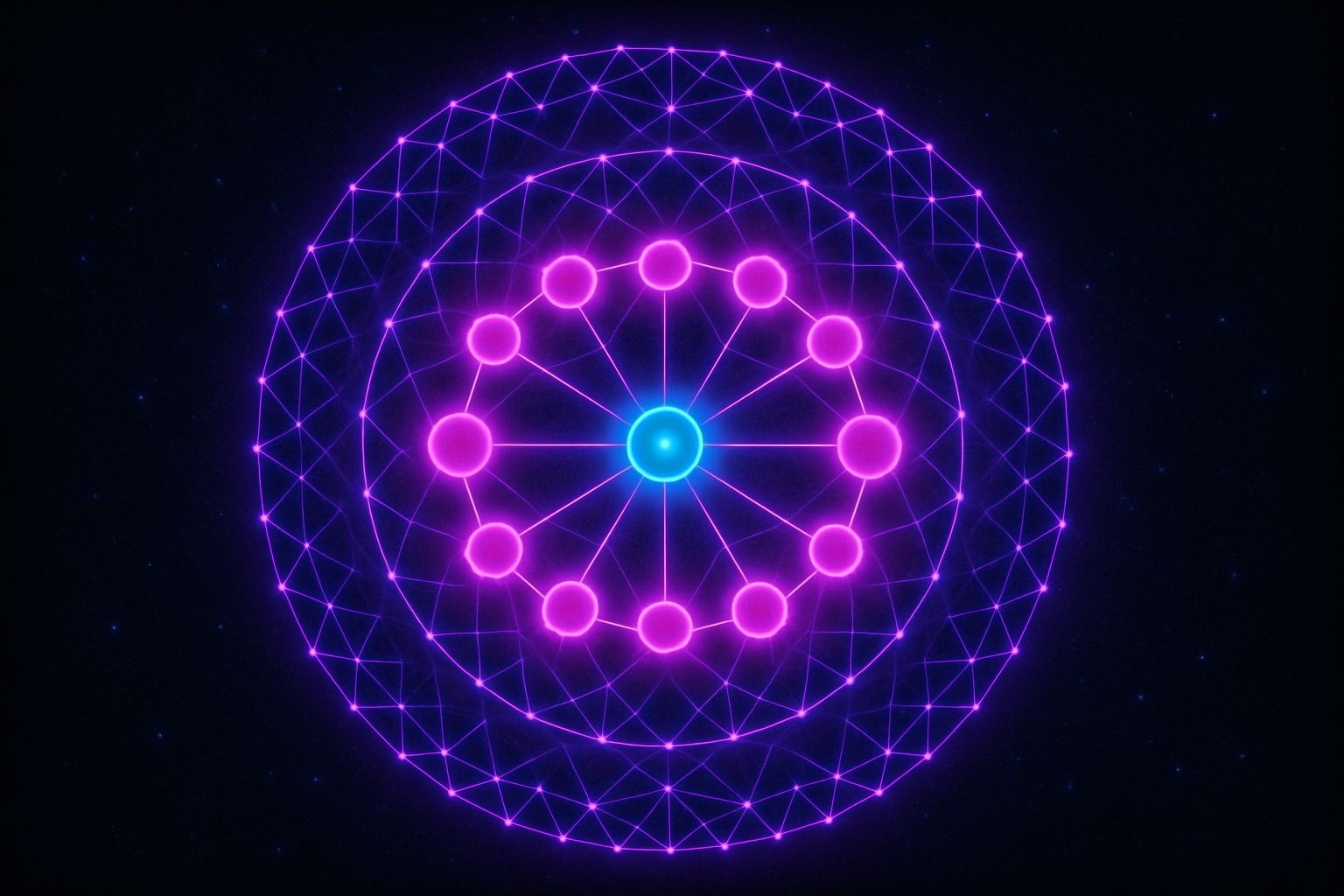
Why do rituals work? From stadium crowds to meditation retreats, collective practices exploit entrainment — the tendency of coupled oscillators to synchronize. It's not mysticism; it's physics.
Ritual Entrainment
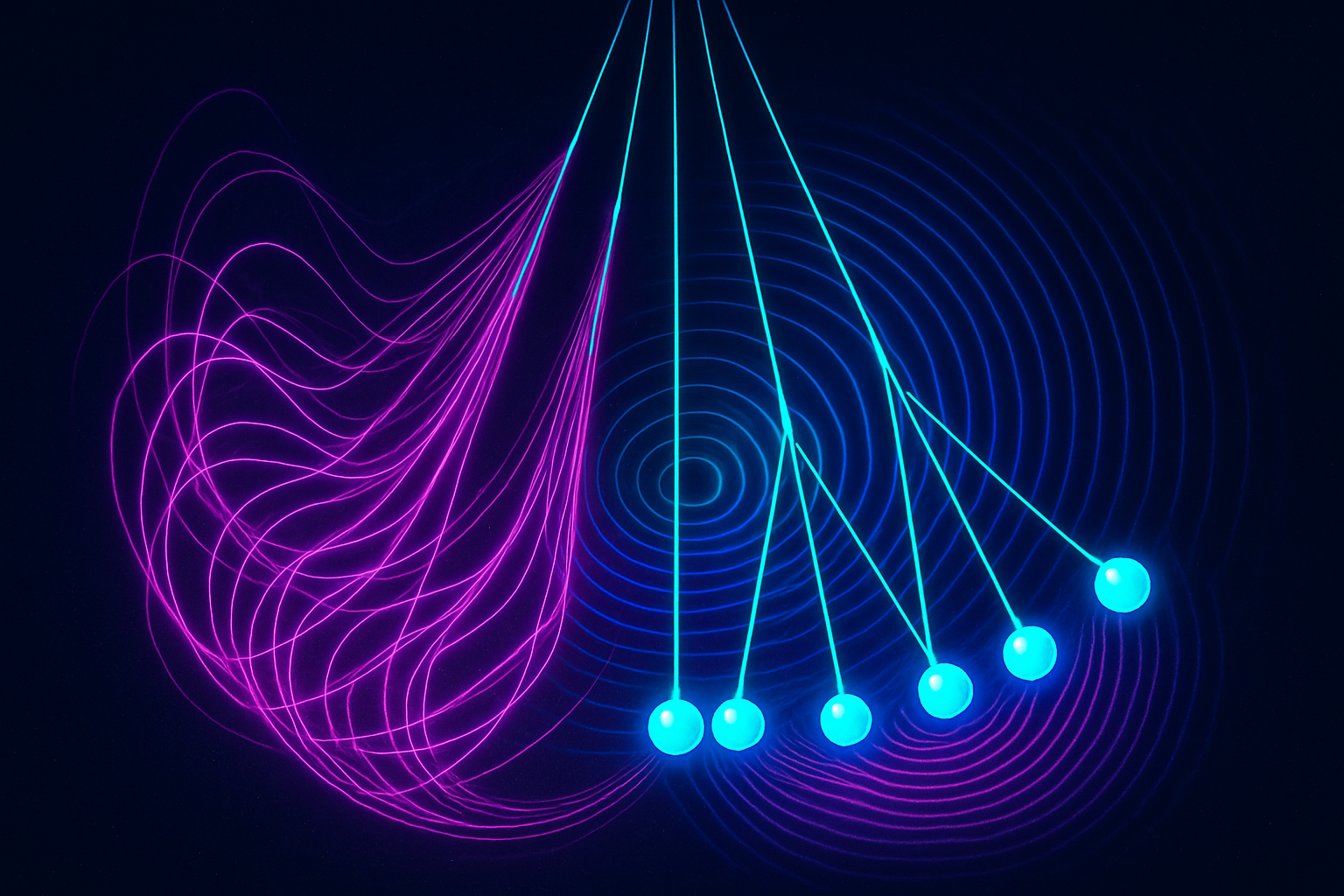
In 1665, Christiaan Huygens noticed something strange about pendulum clocks in his study. Left alone, they synchronized. Two independent systems finding a shared rhythm without conscious coordination. He didn't know he'd discovered the mechanism that explains why stadium crowds move as one, why meditation retreats produce collective peaks, and why rituals work.
Entrainment is what happens when oscillating systems couple and synchronize. It's physics. But when it happens in groups of humans, it becomes something more: the technology underlying every form of collective coherence humanity has ever built.
Rituals aren't symbolic gestures. They're entrainment engines—designed, refined, and transmitted across generations precisely because they synchronize nervous systems, couple physiological rhythms, and generate states that individuals cannot access alone.
Why This Matters for Understanding Coherence
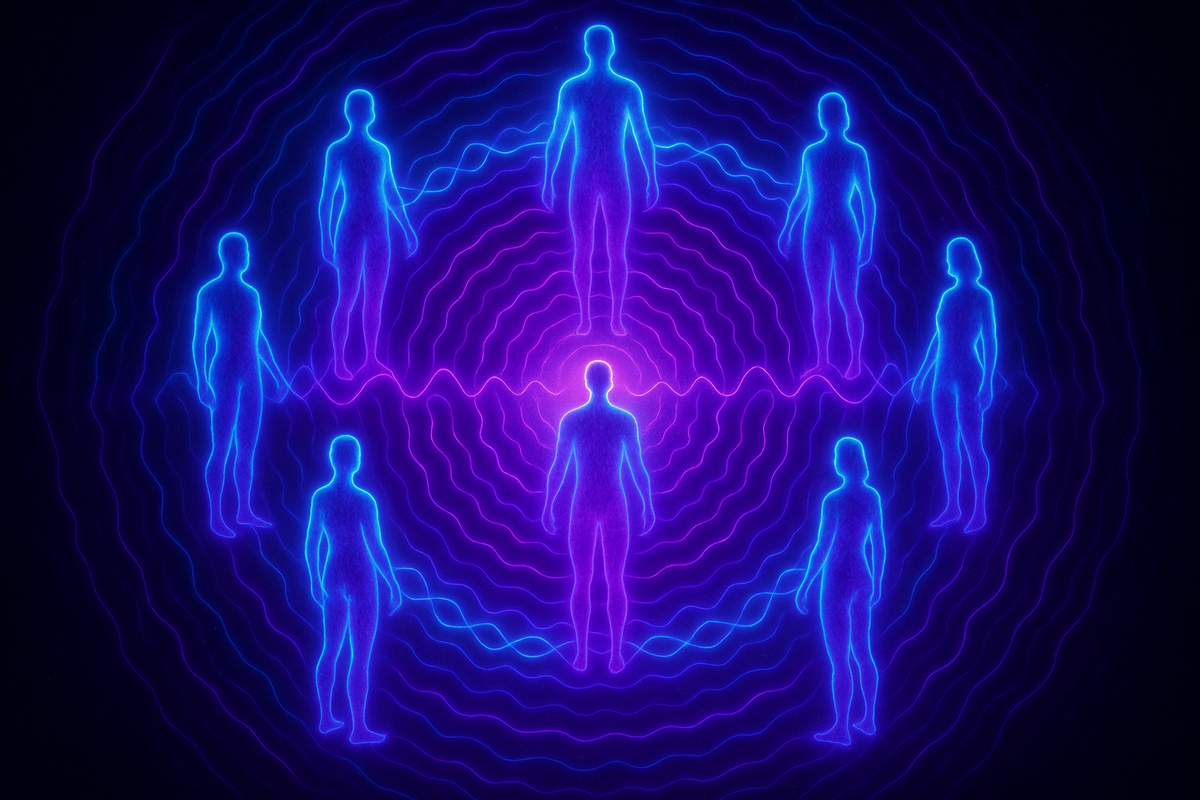
Humans are social animals with nervous systems that evolved to couple. When we move together, breathe together, chant together, or consume together, our bodies synchronize at multiple scales: heartbeat, respiration, neural oscillation, hormonal release. This isn't metaphor. It's measurable physiological coordination.
Collective coherence emerges from entrainment. Groups that entrain well coordinate better, trust more easily, and maintain shared meaning under stress. Groups that fail to entrain fragment, polarize, and collapse. Every functional human community—religious, political, athletic, artistic—has ritual technologies that keep members synchronized.
Émile Durkheim called the peak states "collective effervescence." Modern neuroscience confirms he was onto something: synchronized brains produce experiences that feel transcendent because they genuinely transcend individual capacity. You're not imagining the sacred when you feel it in collective ritual. You're experiencing coherence at a scale larger than yourself.
Understanding ritual as entrainment technology clarifies why certain practices persist across every culture, why some groups cohere while others disintegrate, and what makes a ritual actually work versus merely performing symbolic actions.
Articles in This Series



Comments ()