The RNA Renaissance
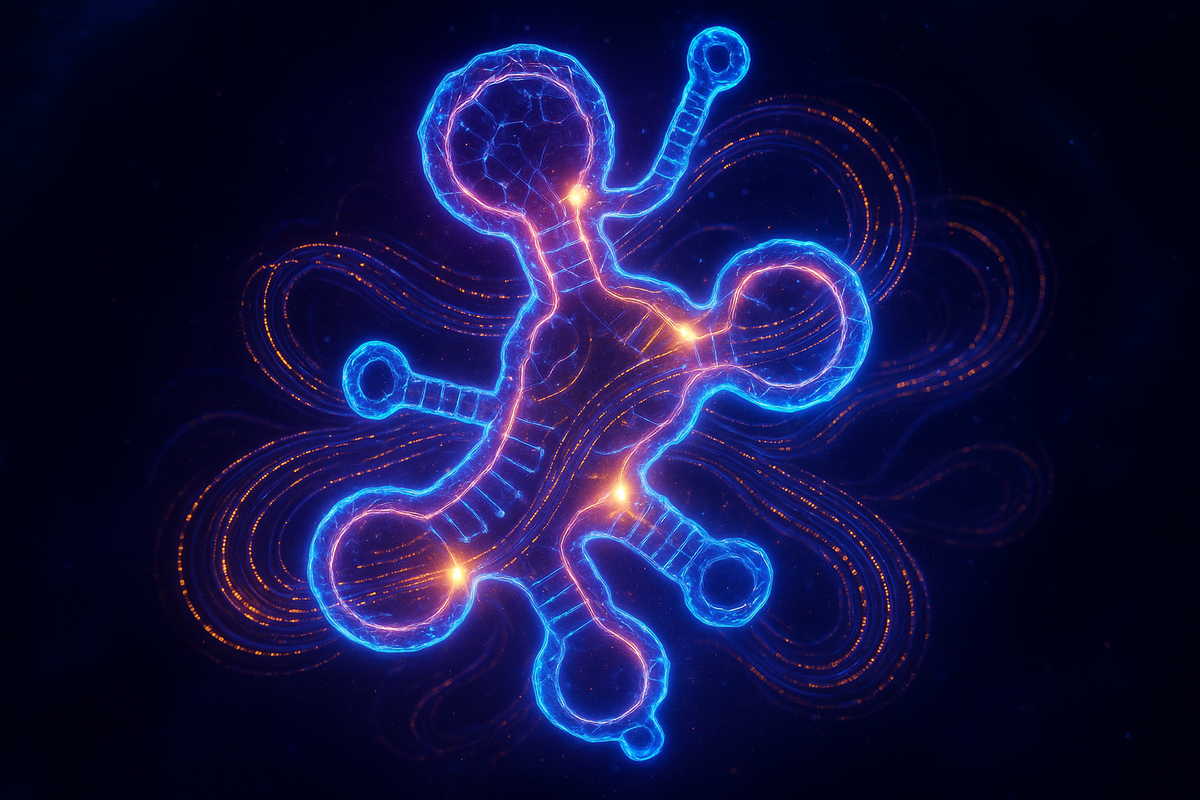
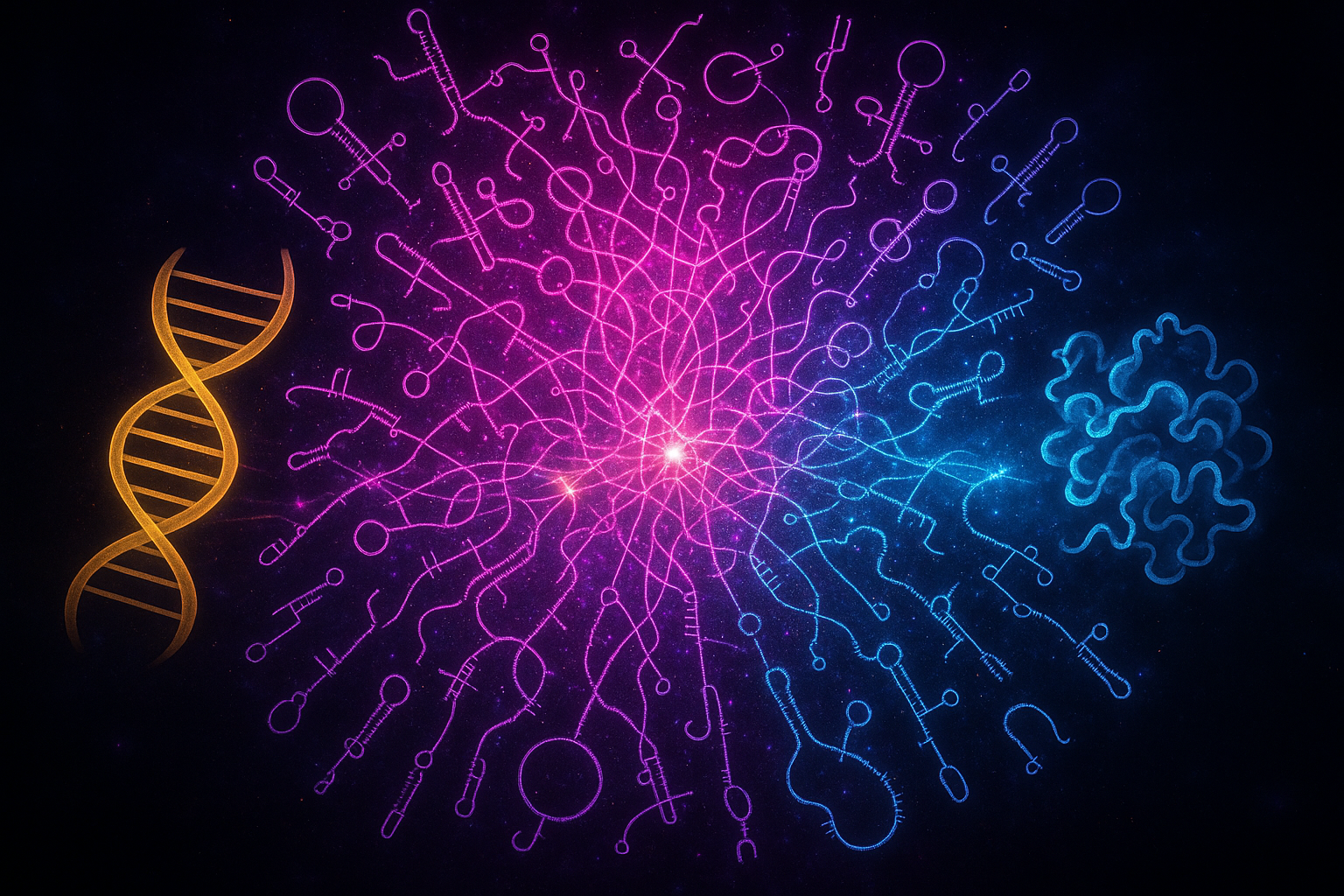
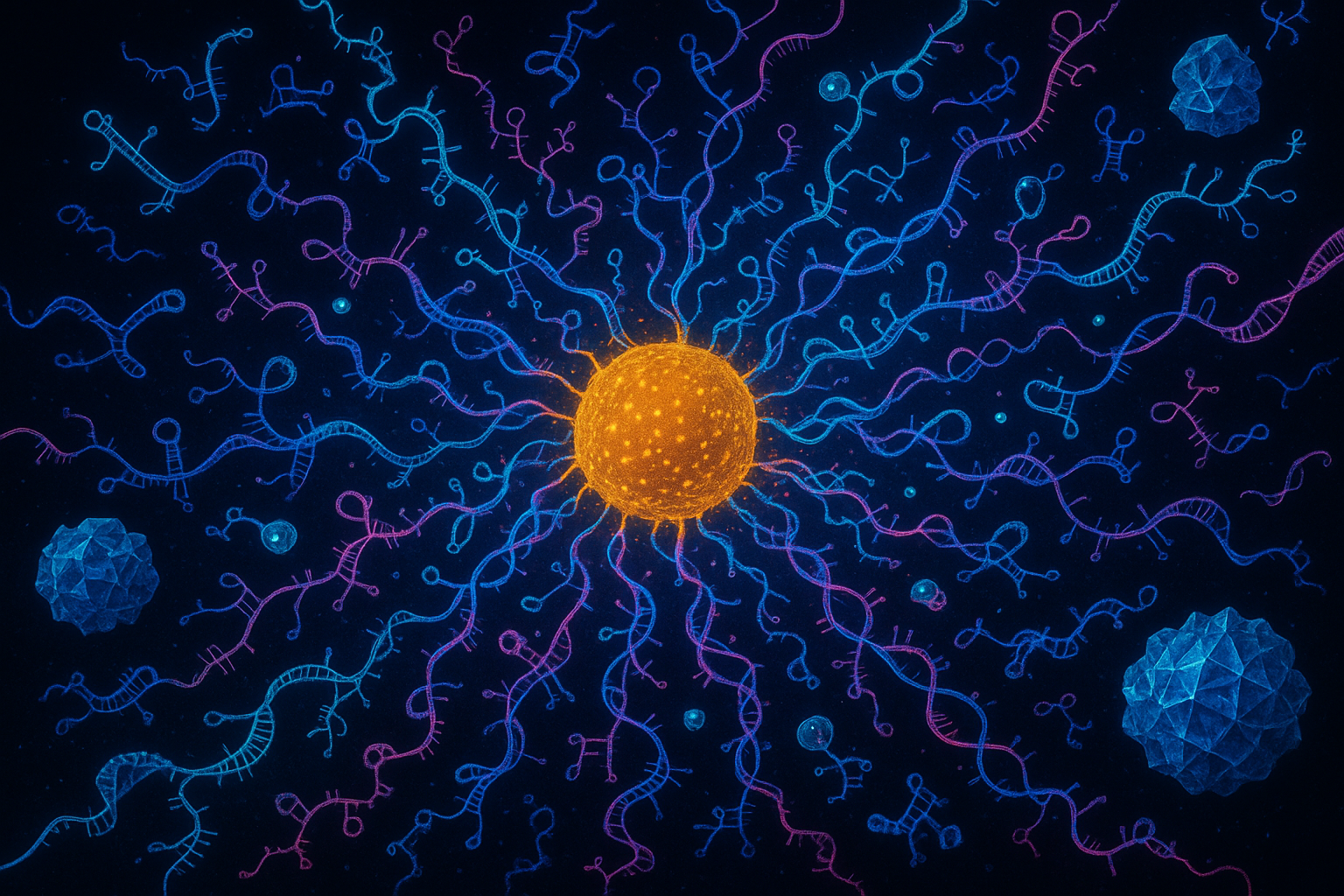
The central dogma reduced RNA to a photocopy of DNA on its way to becoming protein. That picture is now obsolete. Non-coding RNAs regulate gene expression, splice transcripts, silence transposons, and sense cellular conditions — RNA is closer to an operating system than a courier.
The RNA Renaissance
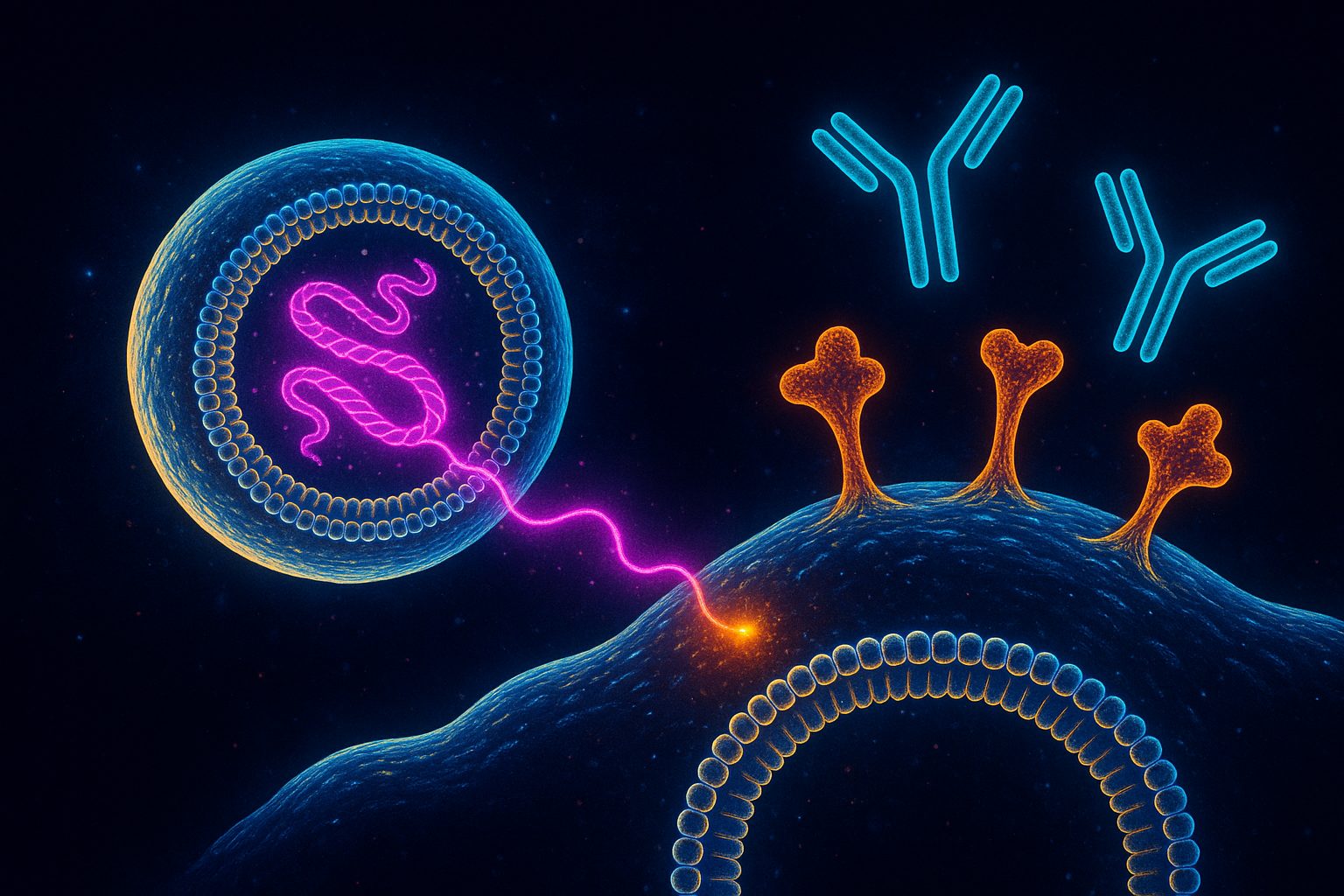
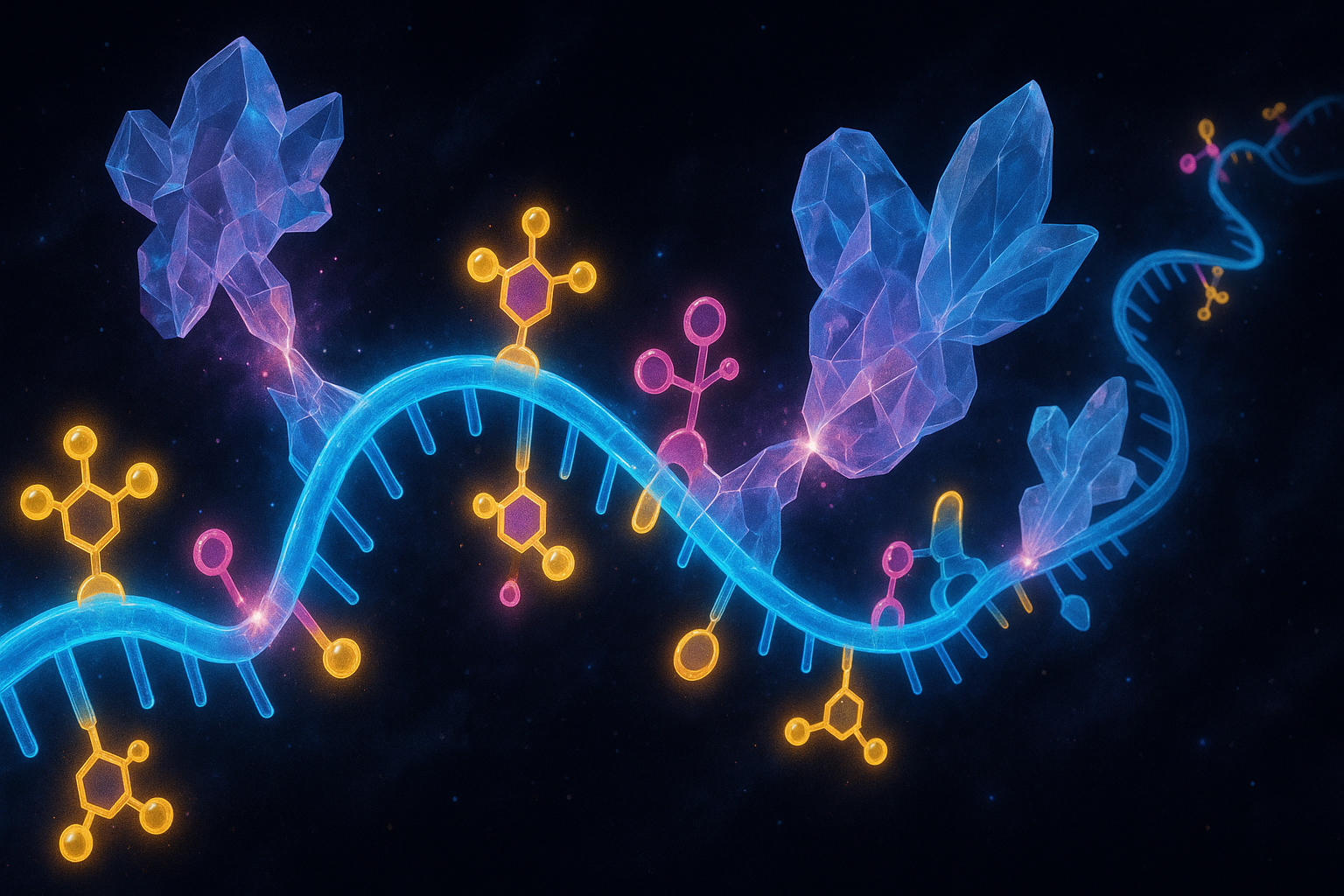
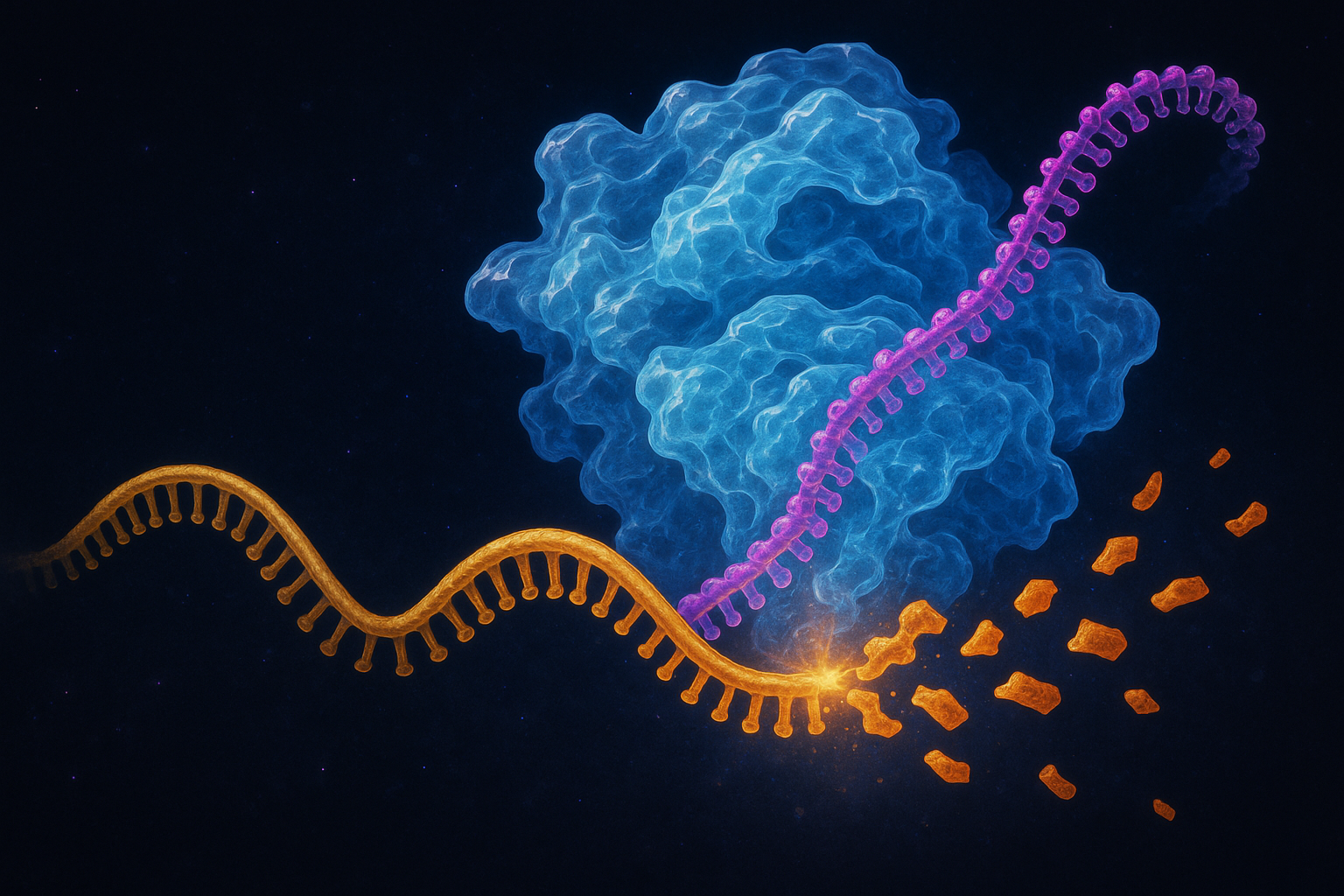
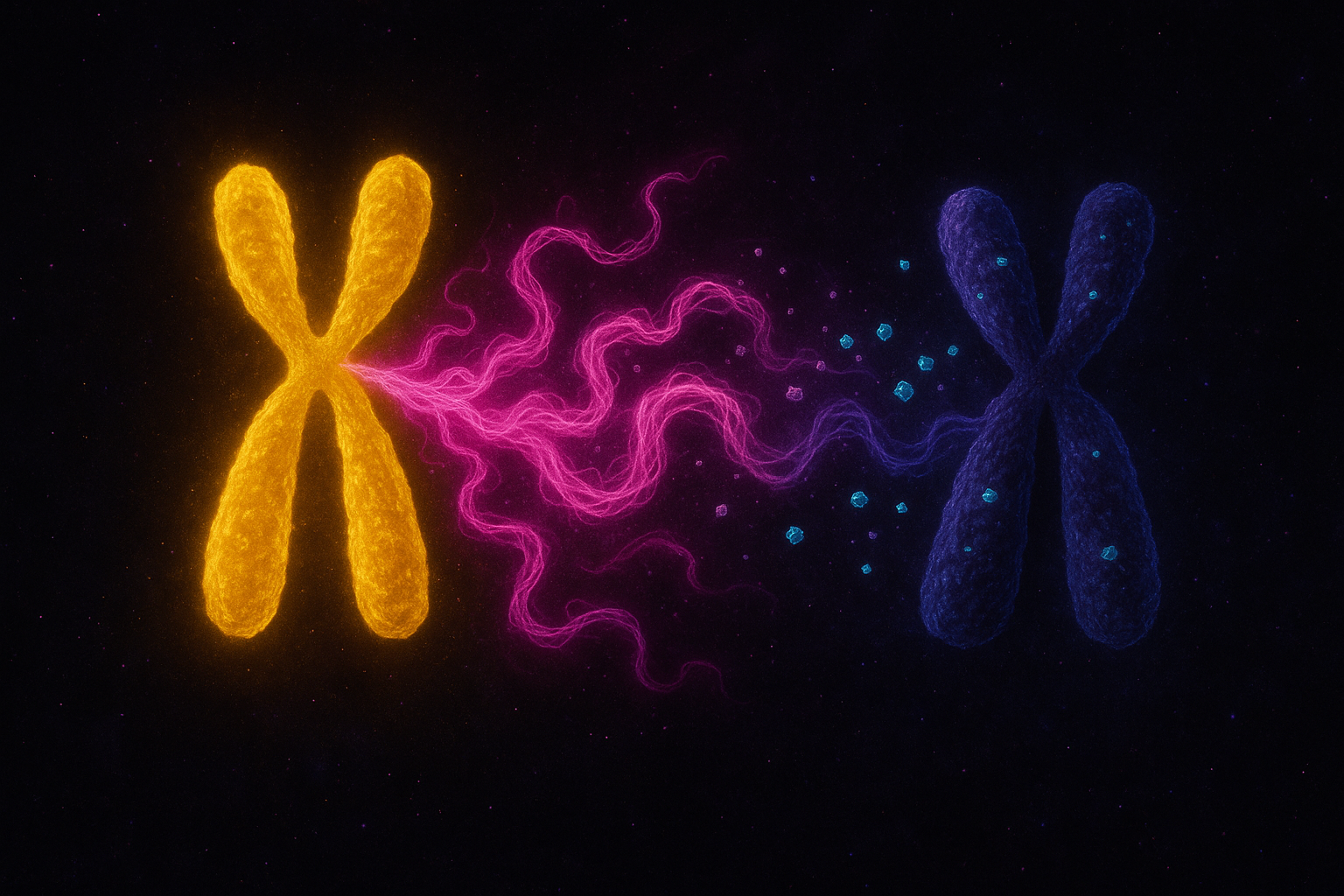
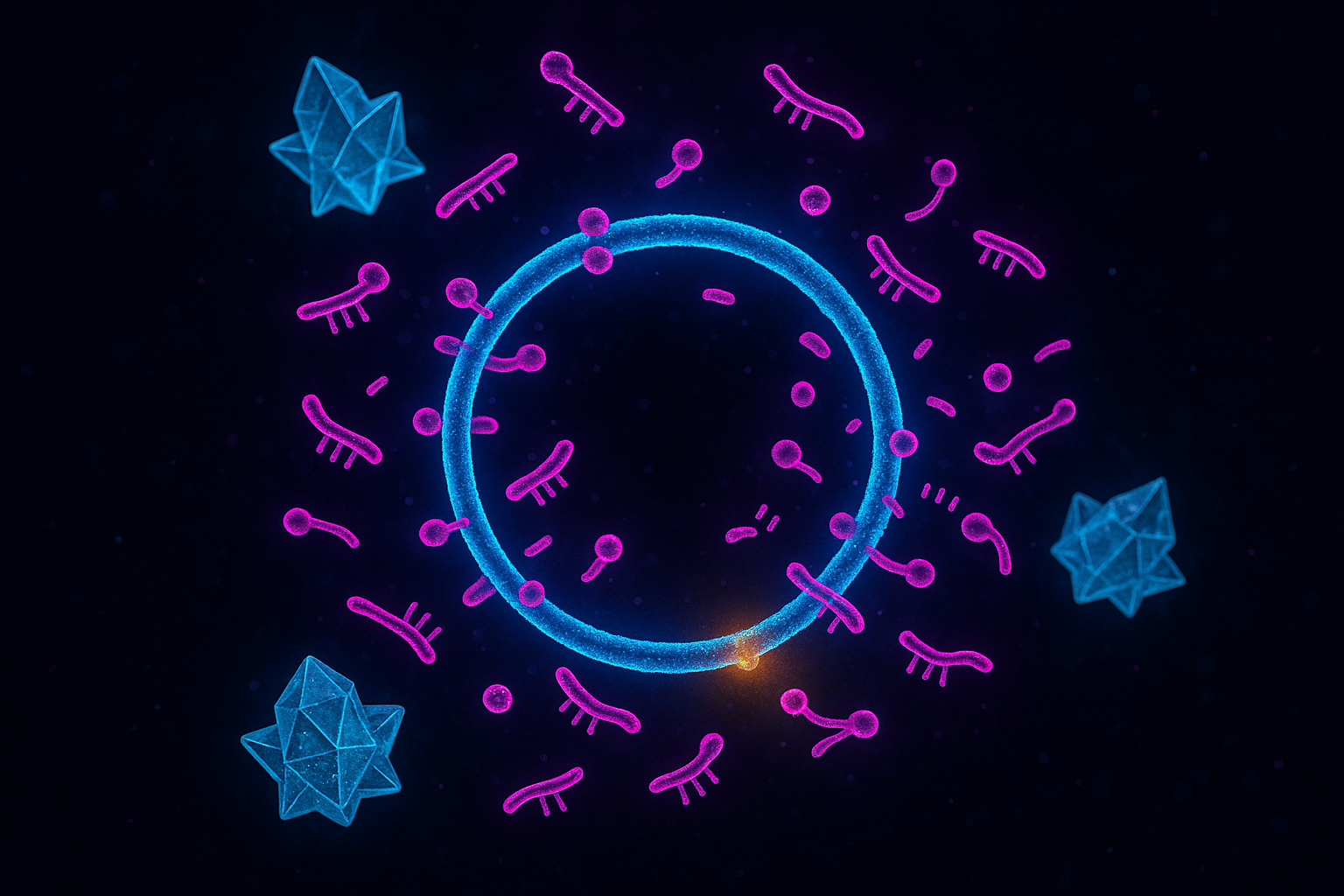
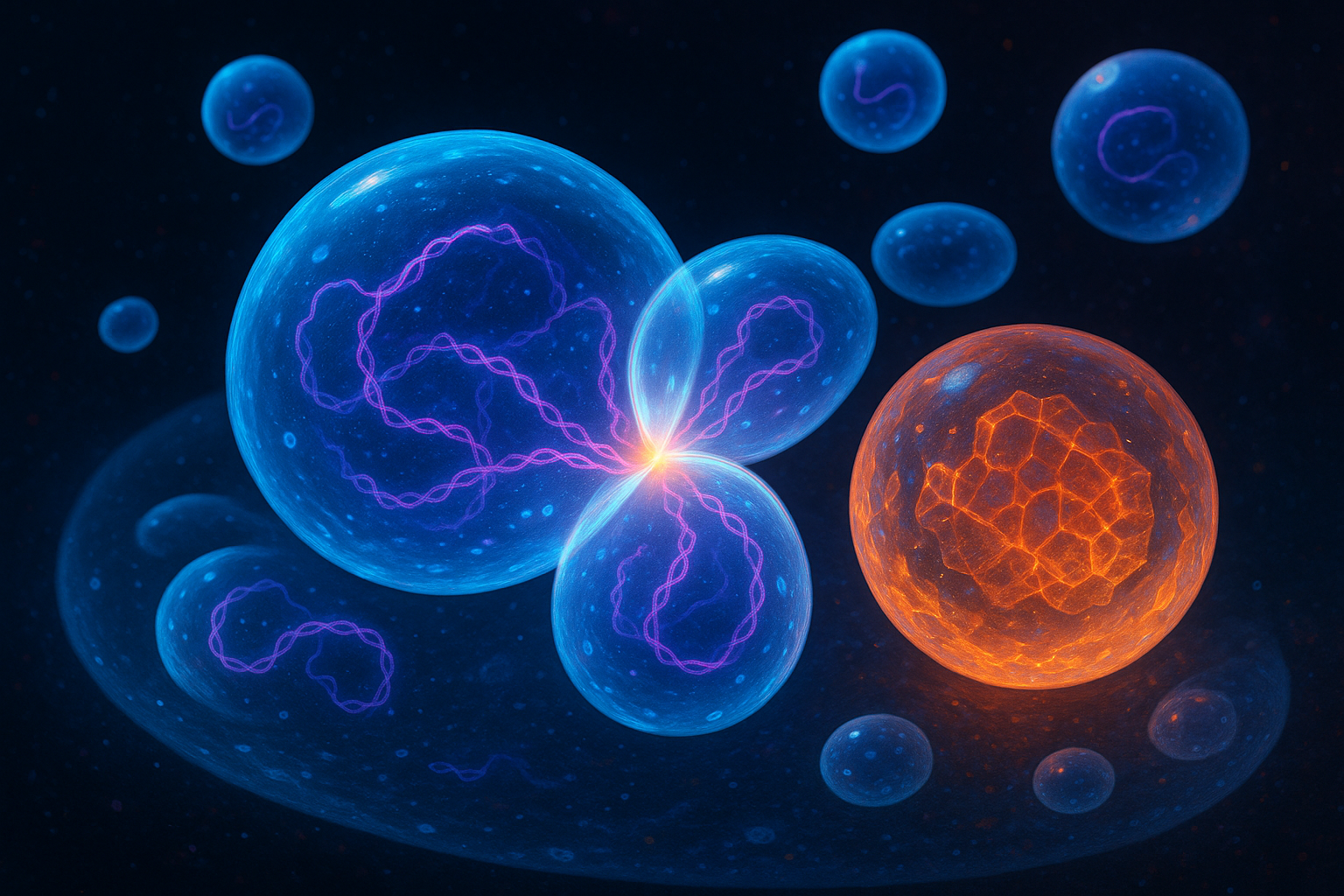
For fifty years, RNA was the middle child of molecular biology. DNA got the glory—the double helix, the blueprint of life. Proteins got the action—the enzymes, the structure, the machinery that makes cells work. RNA? RNA was the messenger. It carried instructions from DNA to the protein-making factories, and that was about it. We were spectacularly wrong. The last two decades have shattered this picture. RNA isn't just a messenger. It's a regulator, a processor, a decision-maker. It can silence genes, modify itself, form structures that organize entire cellular compartments, and—as the world learned in 2020—teach your immune system to recognize threats it's never seen. This series explores the RNA renaissance: the discovery that the molecule we thought we understood is far stranger, more powerful, and more central to biology than anyone imagined.
The Series
Why It Matters
Understanding RNA means understanding the real operating system of life. Not the genome—that's just the code repository. RNA is where decisions get made, where signals get processed, where the cell's moment-to-moment intelligence actually lives. And we're learning to program it. The mRNA vaccines were just the beginning. RNA therapeutics are coming for cancer, genetic disease, and conditions we thought were untreatable. The molecule we ignored is becoming the most powerful tool in medicine. The RNA renaissance isn't coming. It's here. This series explains what changed, what we're learning, and why it matters. Welcome to the new biology.

Comments ()