Sequences and Series Explained
Can you add infinitely many numbers and get a finite result? Sometimes yes — and the conditions under which you can are exactly what series convergence is about. Sequences and series are where mathematics reasons rigorously about infinity, reaching into Taylor expansions and signal processing.
A sequence is a list with a rule. A series is what you get when you add it up.
That's it. Everything else—convergence, summation notation, infinite sums—is just the question of what happens when you follow a pattern and keep adding.
What You'll Learn
This series covers the mathematics of ordered patterns and their sums:
- What Are Sequences and Series? — The difference between listing and summing
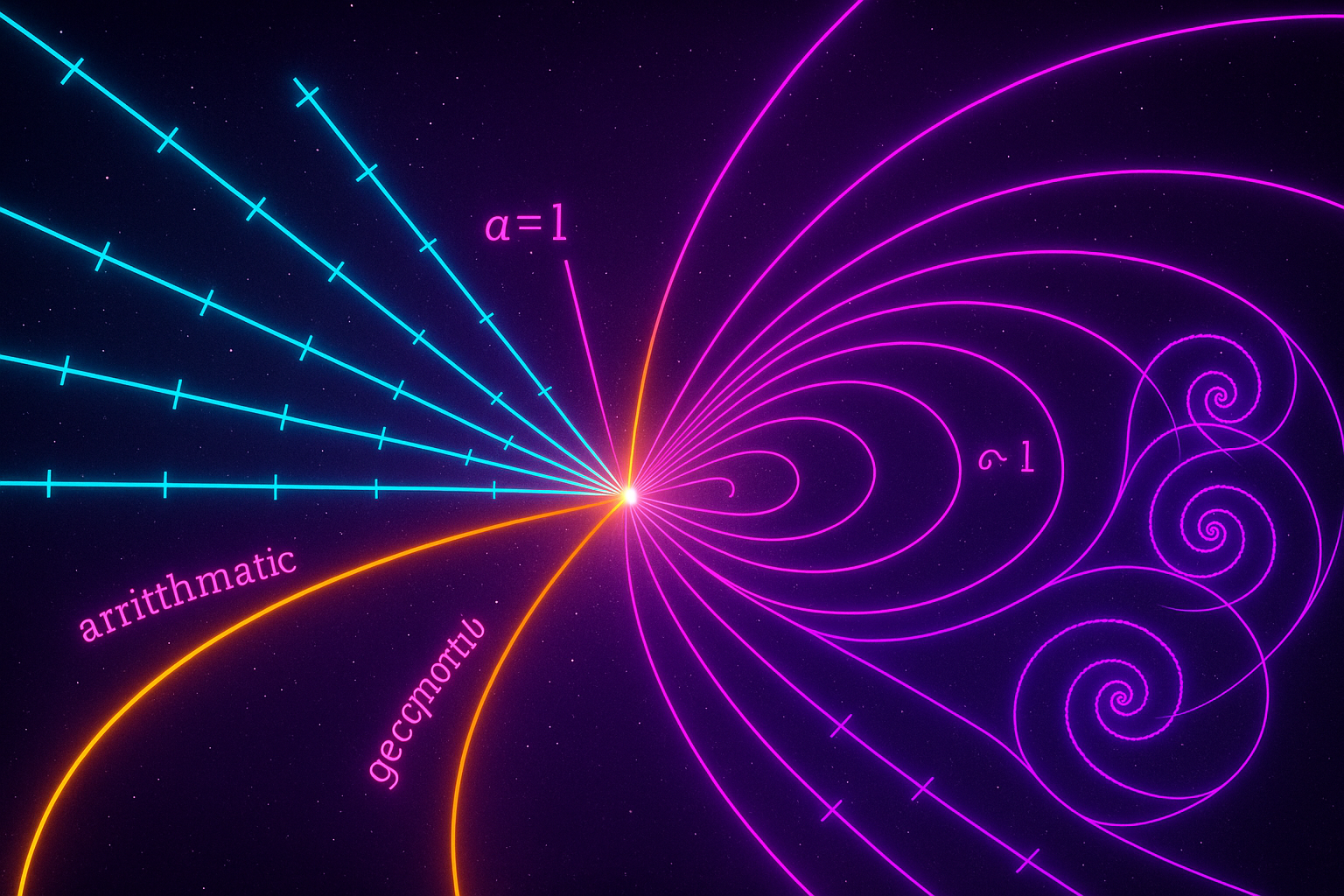
- Arithmetic Sequences — When you add the same amount each time
- Geometric Sequences — When you multiply by the same factor each time
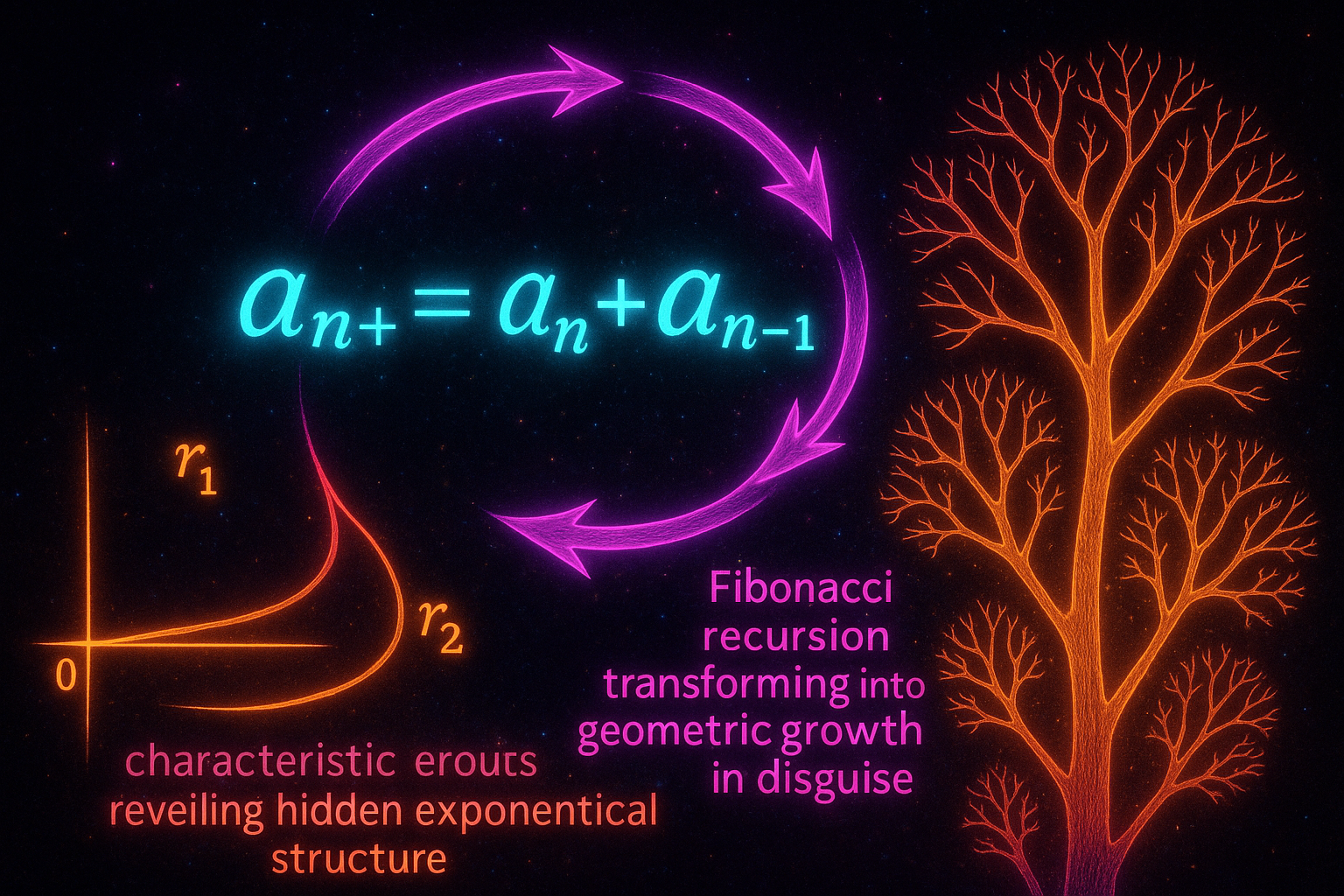
- The Fibonacci Sequence — When each term depends on the previous two
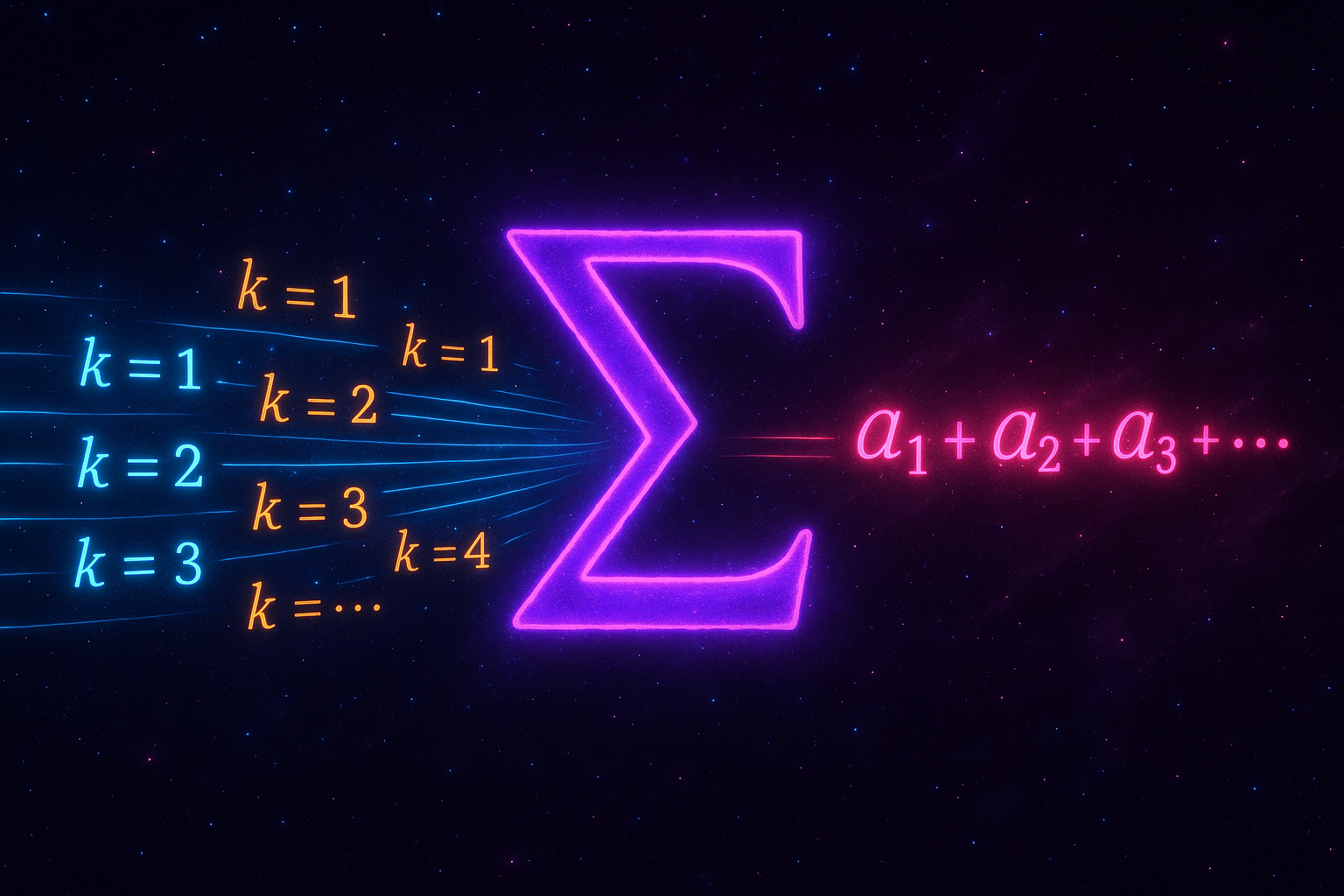
- Sigma Notation — The shorthand for writing sums
- Arithmetic Series — Summing arithmetic sequences
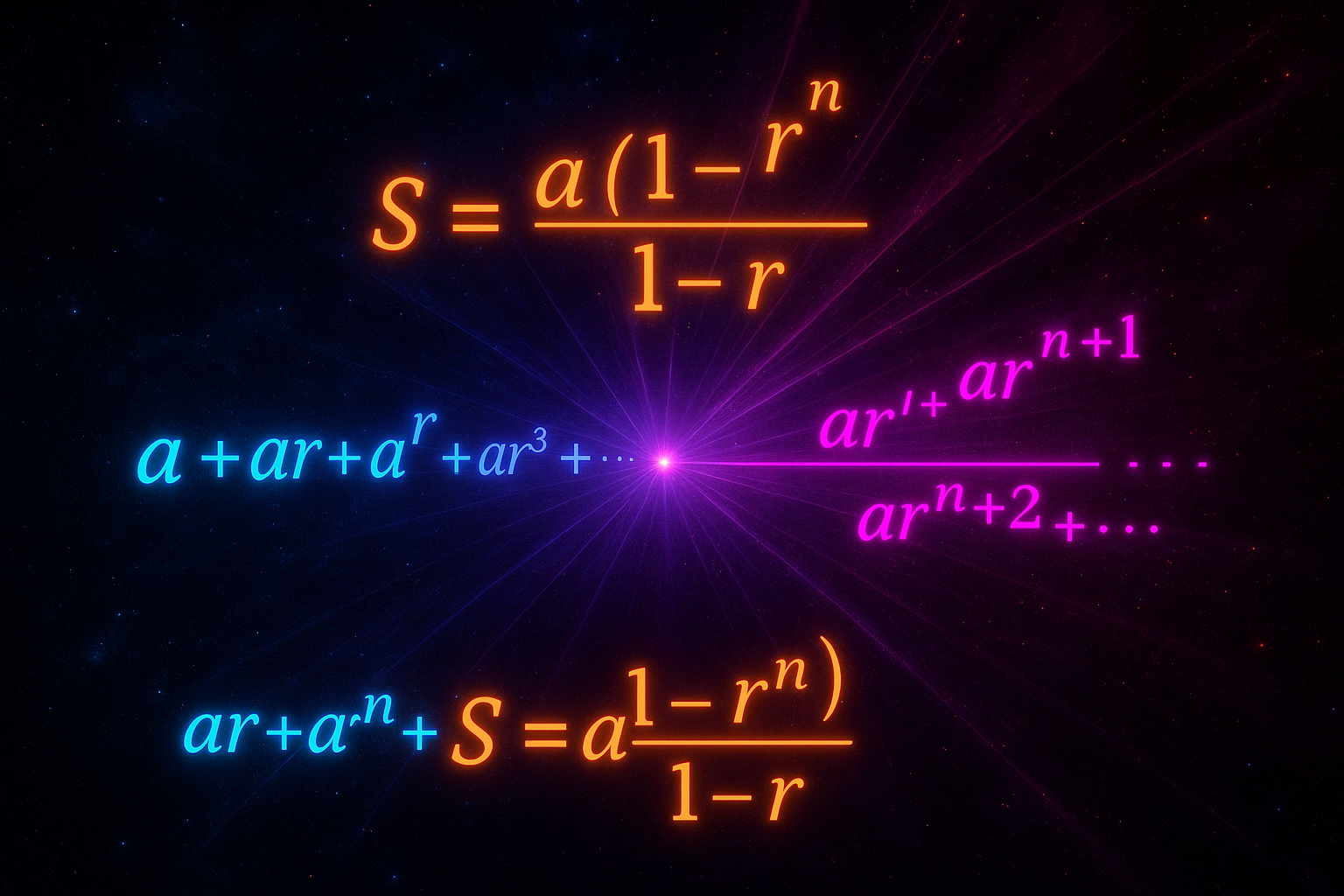
- Geometric Series — Summing geometric sequences
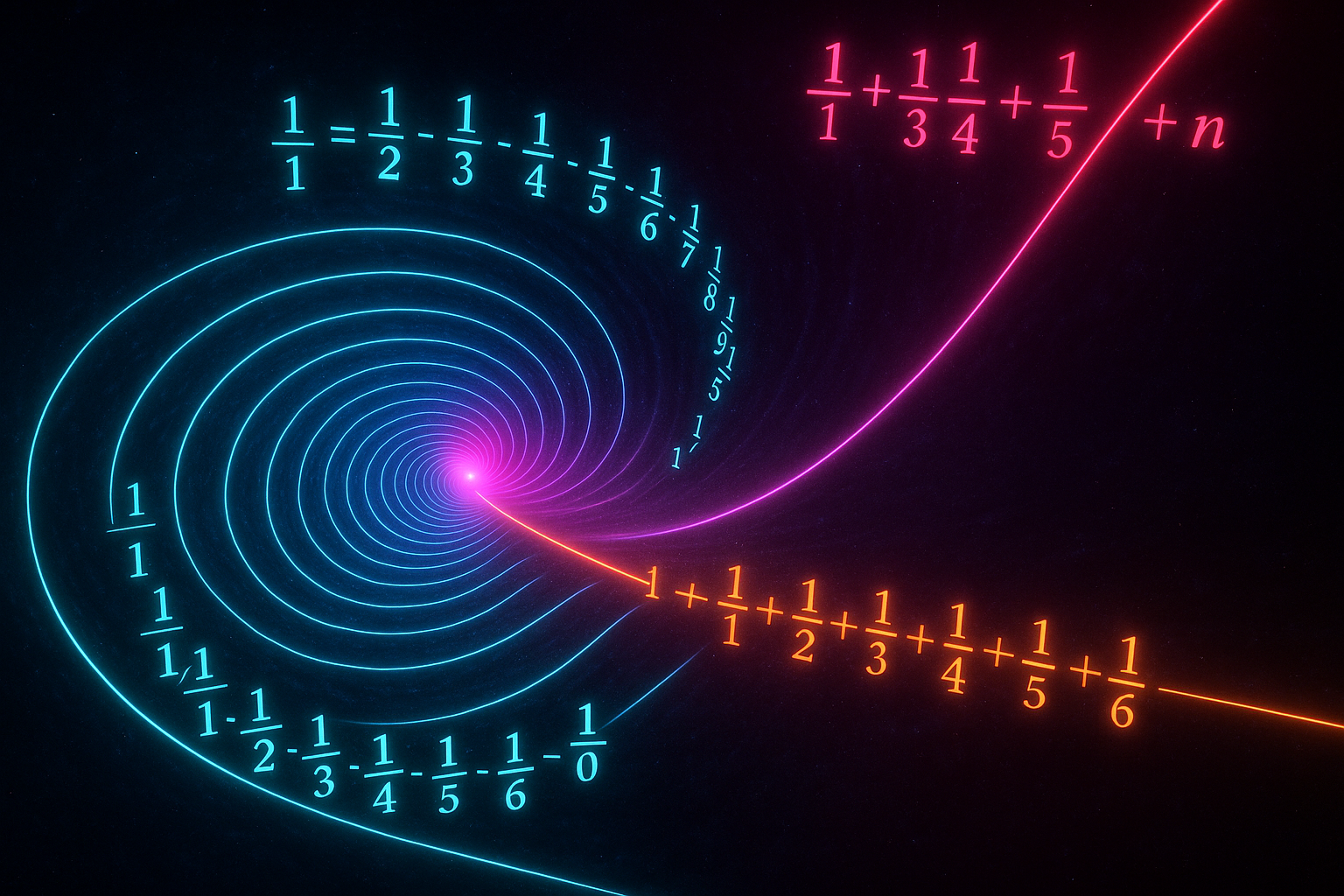
- Infinite Series — When sums never stop but still converge
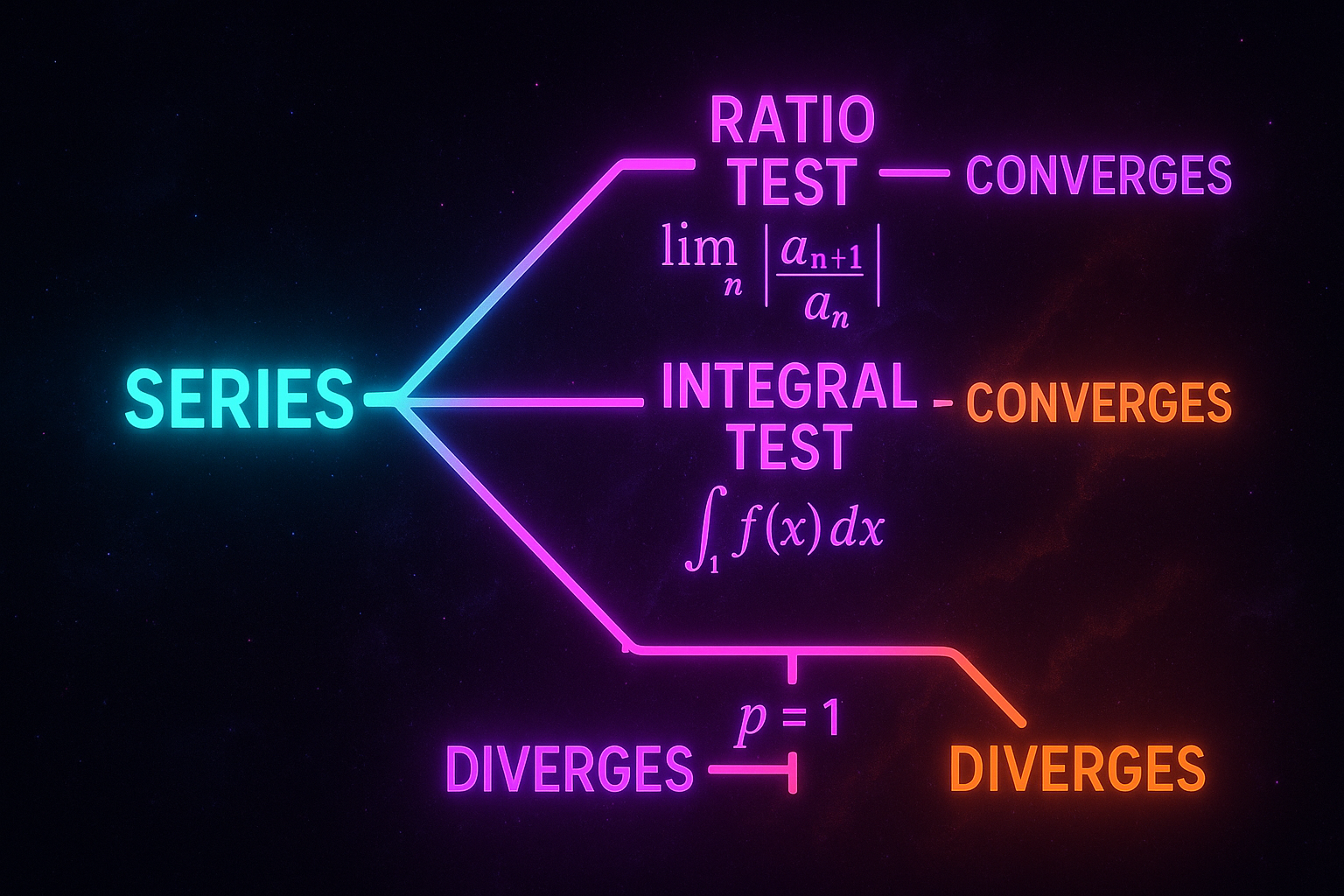
- Convergence Tests — How to tell if an infinite series has a finite sum
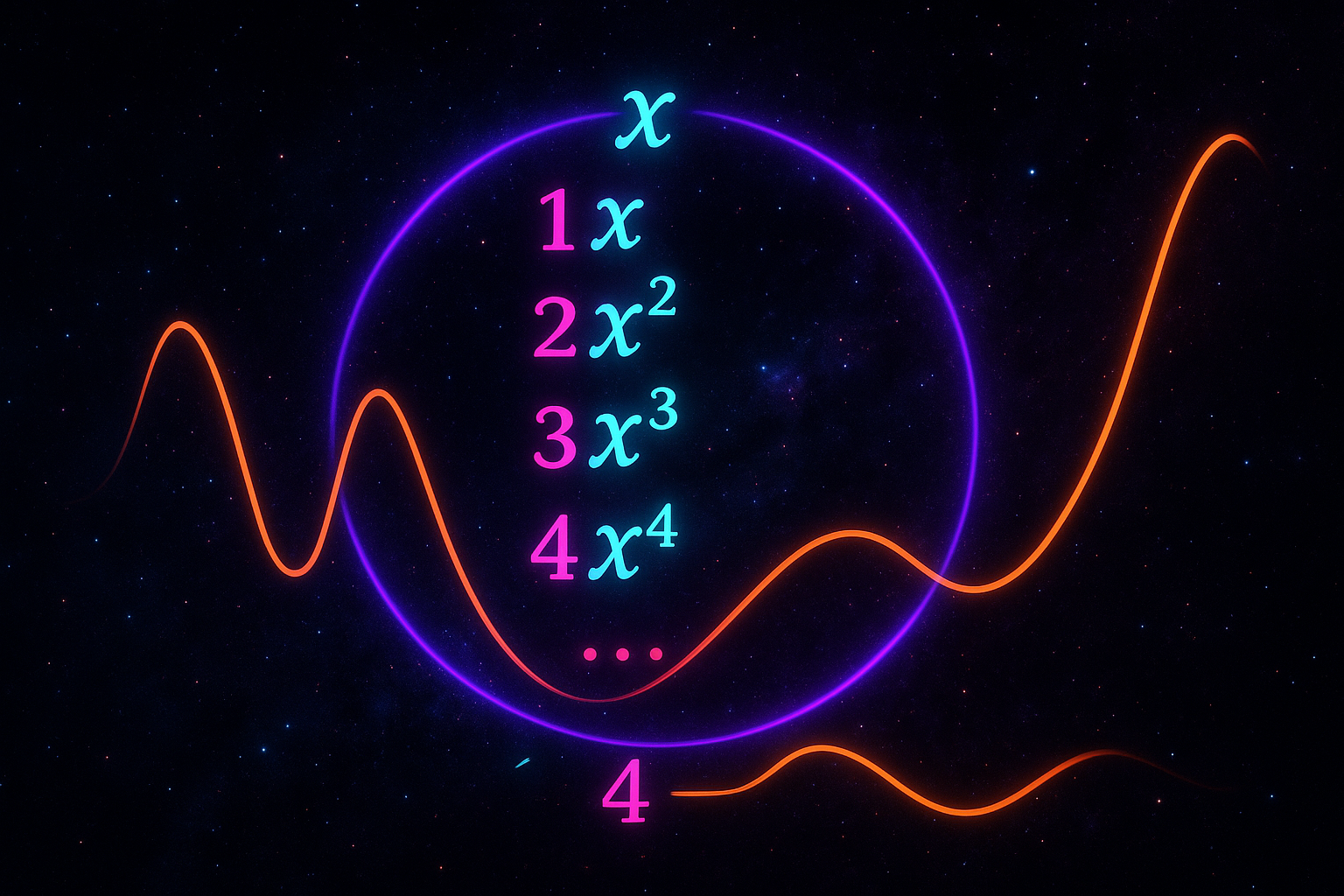
- Power Series — Polynomials that go on forever
- Recursion — Sequences defined by their own terms
- Synthesis — Sequences and series as the language of patterns
Prerequisites
- Algebra fundamentals (variables, expressions, basic equations)
- Exponents and powers
- Comfort with fractions and negative numbers
Why This Matters
Sequences and series are how mathematics captures patterns that grow, accumulate, and converge. They're the foundation for:
- Calculus — Taylor series approximate functions as infinite polynomials
- Finance — Compound interest and annuities are geometric series
- Computer science — Algorithm analysis uses recurrence relations
- Physics — Fourier series decompose signals into waves
When you understand sequences and series, you understand how finite rules generate infinite patterns—and how infinite processes can have finite results.
This is the hub page for the Sequences Series series.
Next: What Are Sequences and Series? Ordered Numbers and Their Sums
The Series

Comments ()