Synthetic Biology
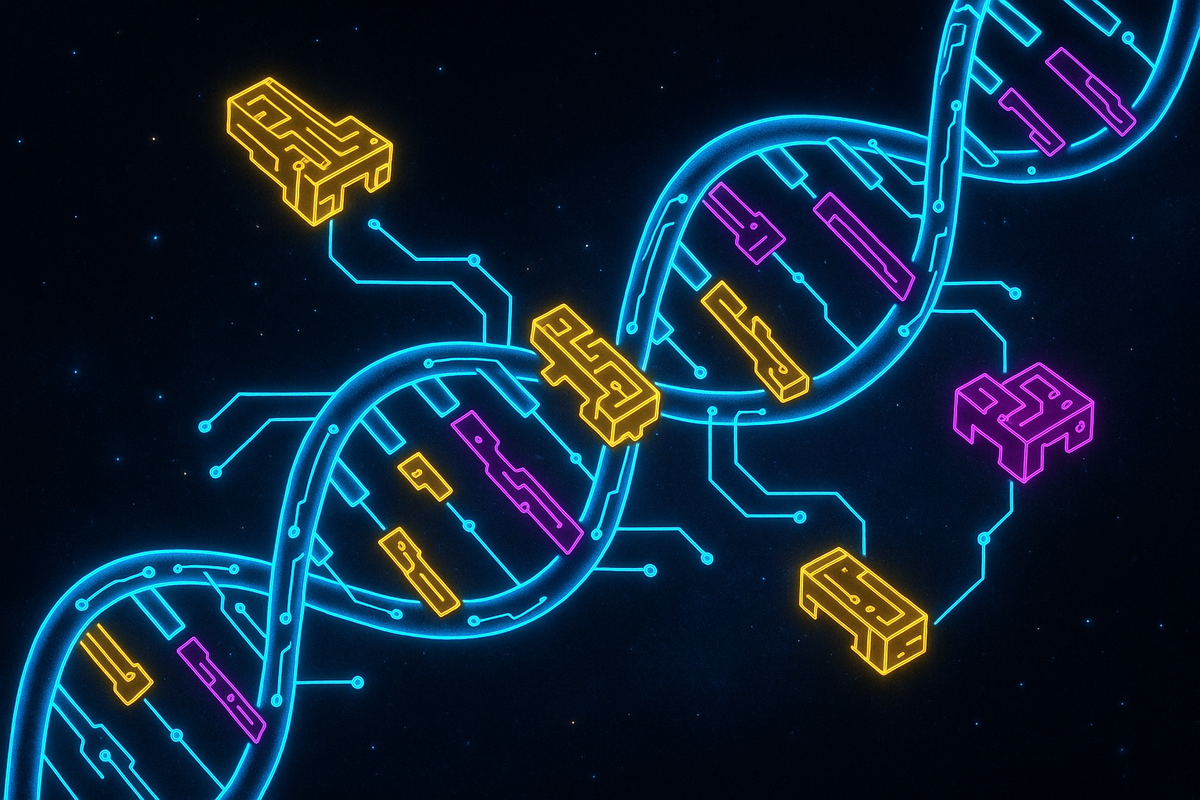
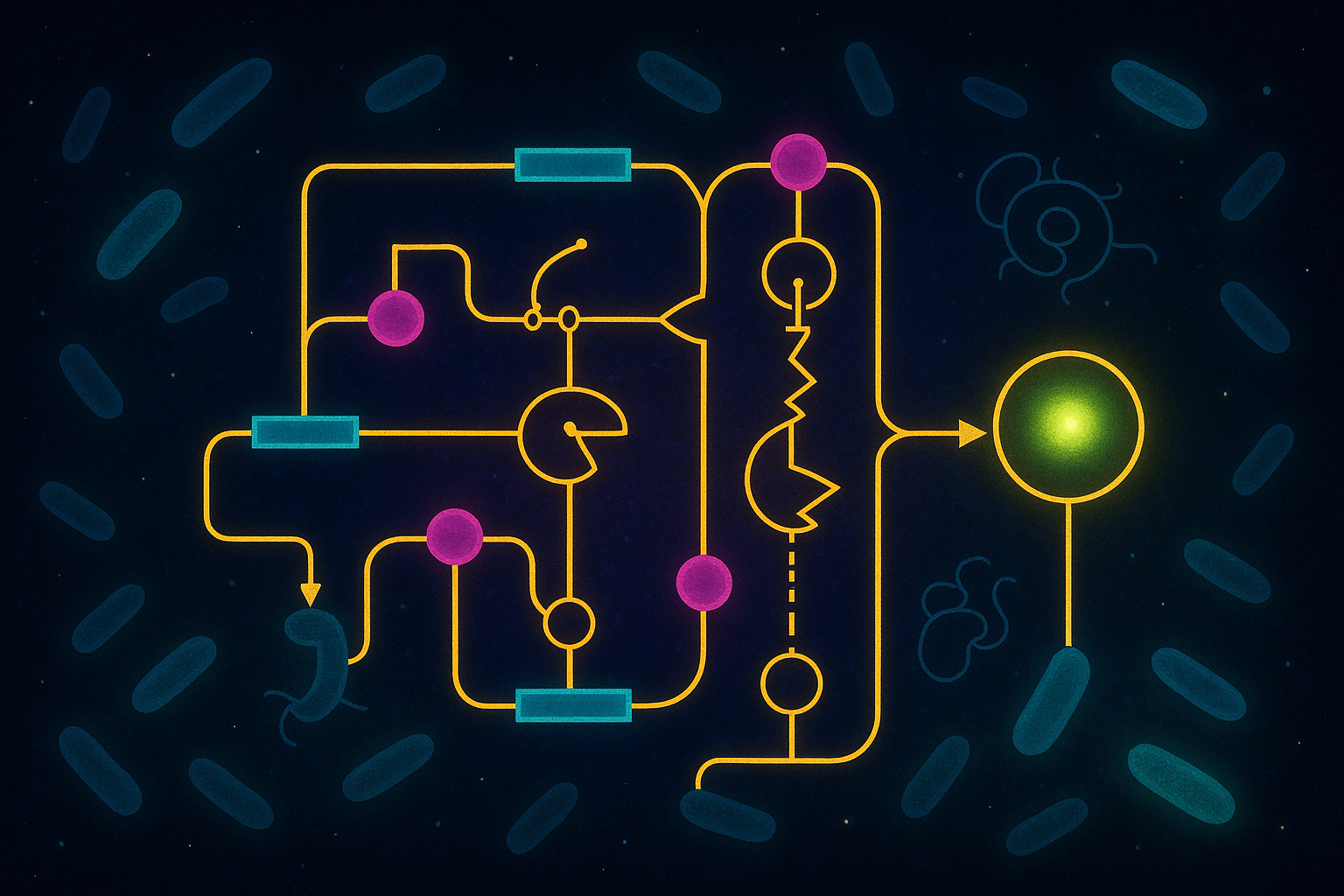
Synthetic biology treats genetic circuits like transistors — composable, programmable parts. Researchers have built bacterial sensors for landmines, yeast producing antimalarial drugs, and cells that compute logical operations. The design-build-test cycle is accelerating.
Synthetic Biology
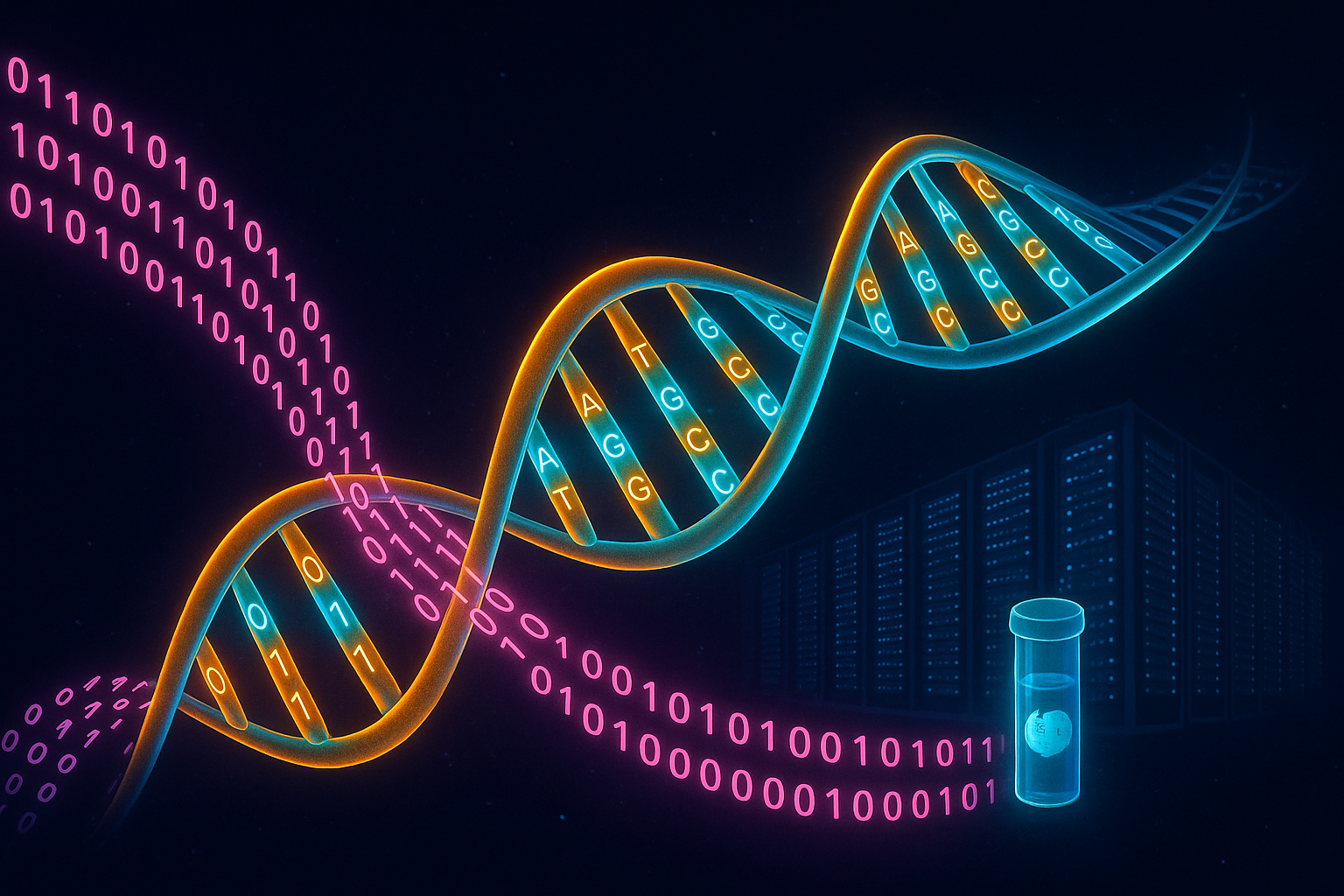
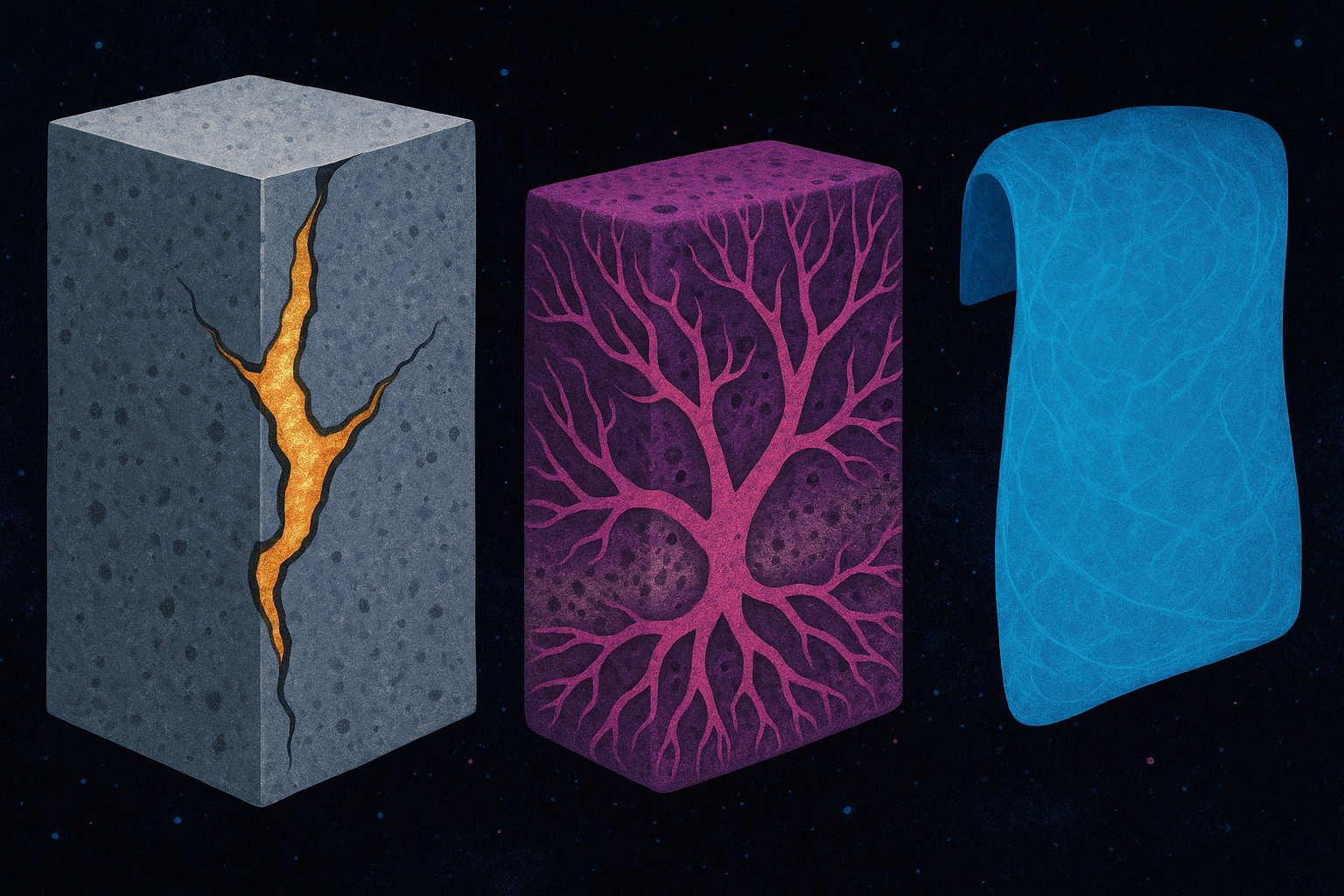
For four billion years, life evolved through random mutation and natural selection. Slow. Undirected. Whatever worked, survived. Now we're learning to design it. Synthetic biology is the engineering of living systems. It treats cells as programmable machines, DNA as code, proteins as components. The goal isn't just to understand biology—it's to build with it. Design organisms that produce drugs, sense toxins, eat plastic, compute, self-repair. This isn't genetic engineering as it existed in the 1990s—inserting a gene here, knocking one out there. Synthetic biology is systematic. It's building genetic circuits, creating minimal genomes, evolving enzymes on demand, constructing living materials that grow and heal. Biology is becoming a design discipline. This series explores what that means.
The Series

The Shift
Evolution optimizes for survival. It doesn't optimize for human goals. Synthetic biology is the application of engineering principles to biological systems—with human goals in mind. We want bacteria that produce biofuels, not bacteria that merely survive. We want enzymes that catalyze industrial reactions, not just the reactions that happened to benefit ancient organisms. This requires a different relationship with biology. Not just observation. Design. Not just analysis. Construction. The field is young, the challenges immense, but the trajectory is clear. Biology is becoming technology. And technology reshapes the world. Welcome to the design studio.


Comments ()