The Fundamental Equation: Why Everything from Atoms to Civilizations Follows the Same Math
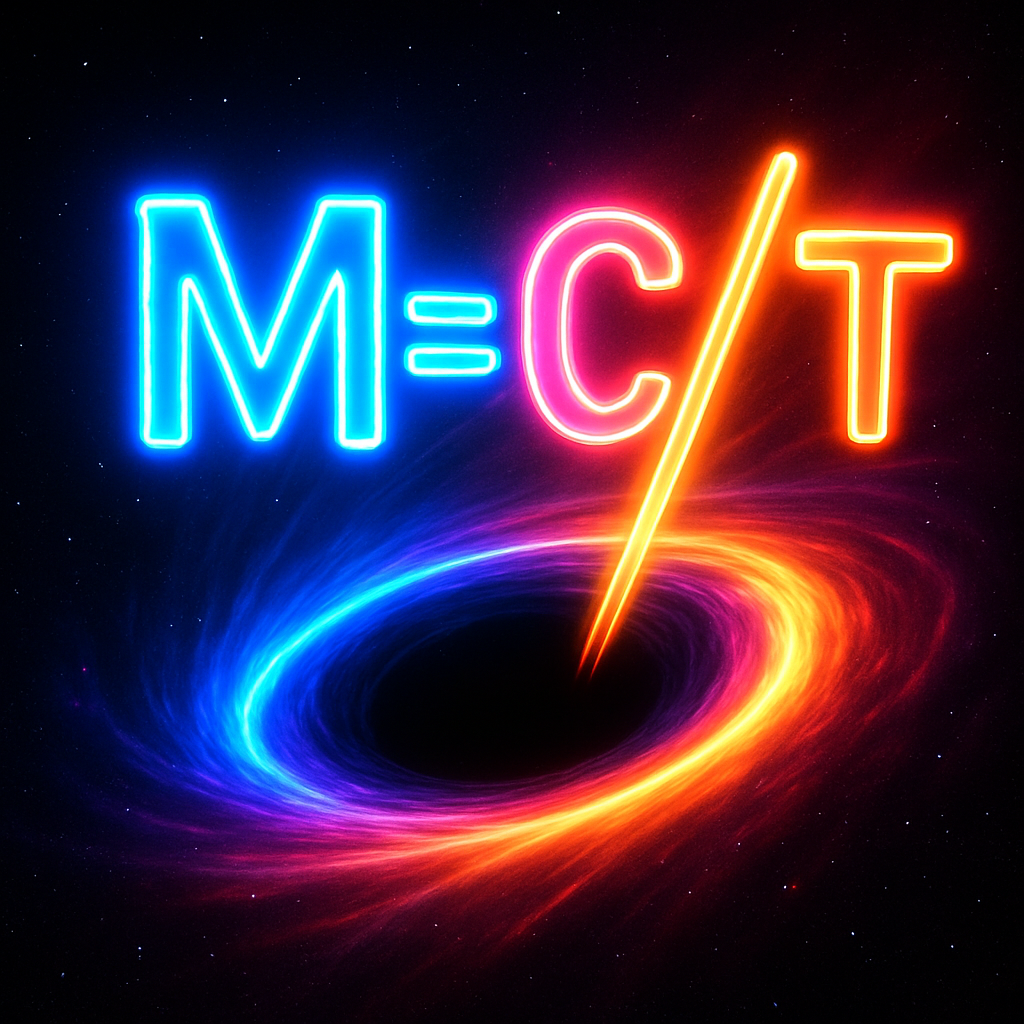
A Theory of Meaning proposes M=C/T as a universal mathematical invariant: systems maintain stability when integrated coherence surpasses destabilizing tension, from atoms to civilizations.
The Fundamental Equation: Why Everything from Atoms to Civilizations Follows the Same Math
Formative Note
This essay represents early thinking by Ryan Collison that contributed to the development of A Theory of Meaning (AToM). The canonical statement of AToM is defined here.
The Hydrogen Atom: Why the Simplest Thing in the Universe Explains Everything Psychology Got Wrong About Balance, Trauma, and Human Nature
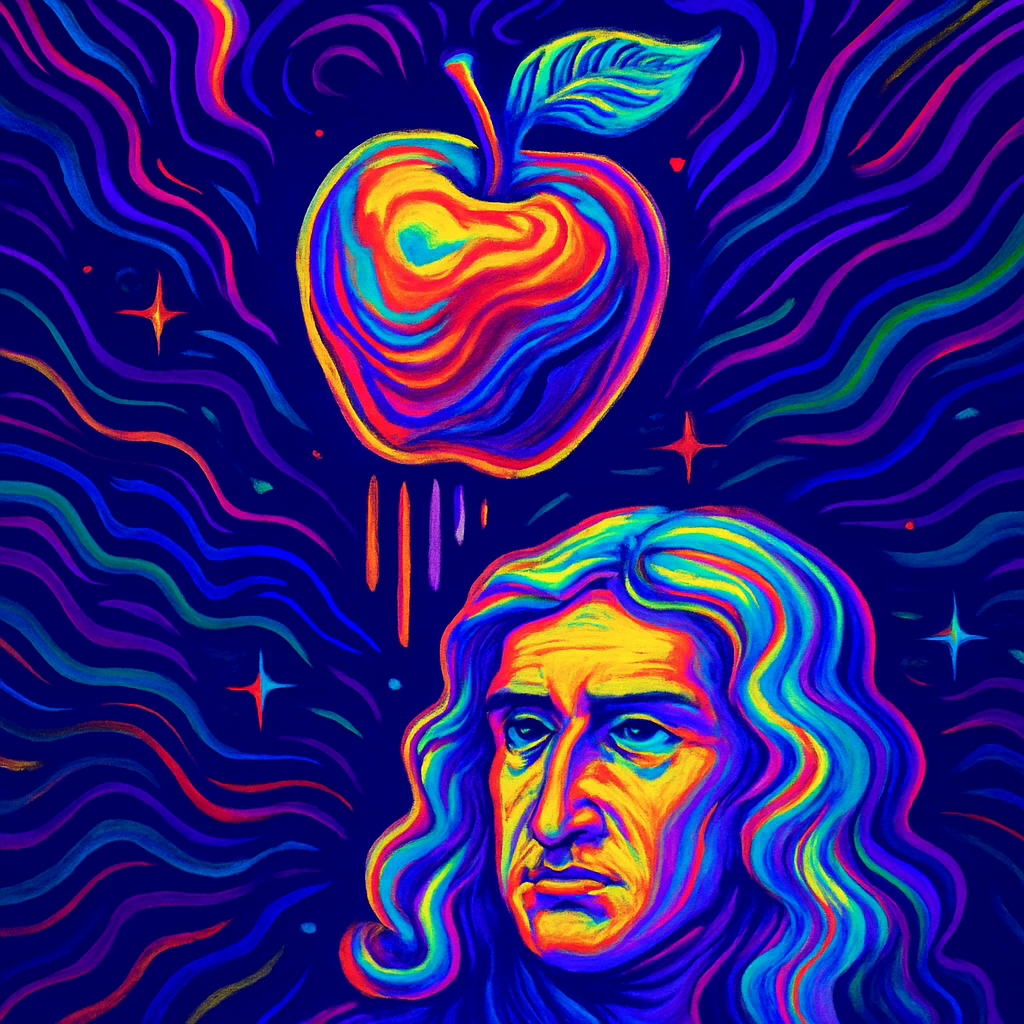
A foundational AToM essay The One Object That Unlocks Everything Every field has a simple object you learn on day one — not a metaphor, not a gimmick — but the starter model that makes the whole subject easier to understand. Physics begins with a falling apple.
Biology begins with a single
 ideasthesiaRyan Collison
The Pattern Beneath the Pattern
Hydrogen showed you the shape with it's stable center, a reactive edge, and a forbidden middle.
But here’s the deeper truth:
That shape isn’t unique to hydrogen. It isn’t unique to atoms, or neurons, or relationships, or cultures. It’s the same architecture repeating at every scale.
And it isn’t a metaphor.
It’s a law.
A structural law that every coherent system obeys from the smallest particle that holds together to the largest civilization that doesn’t tear itself apart.
You can write it with 3 variables only:
M = C / T
M = Meaning (coherence under constraint)
C = Coherence (smooth geometry, stable pattern, integrated form)
T = Tension (curvature, load, prediction error, stress)
In simple terms:
Meaning emerges when coherence exceeds tension.
When C stays above T, the system holds its shape.
When T overwhelms C, the system collapses.
This is not poetry. This is not analogy.
It is the same structural ratio physicists measure in stability equations, the same ratio neuroscientists see in prediction-error dynamics, the same ratio complexity theorists observe in systems that survive.
Different fields found different pieces.
None realized they were describing the same invariant.
Until now.
The Equation You Already Know
M = C / T feels obvious the moment you see it because you’ve been living inside it your entire life.
Meaning rises whenever coherence stays above trauma. It collapses whenever trauma overwhelms coherence. You already know this, not conceptually, but somatically.
Think about the days when life “makes sense.”
Your sleep is steady, your body feels regulated, your relationships are predictable, your work has structure, and the normal friction of existence is something you can metabolize. Your coherence is high, your trauma is low, and the world feels intelligible. Meaning isn’t something you think about on those days—it’s something you inhabit.
Now think about the days when everything unravels. You’re sleep-deprived or sick, a relationship ruptures, work becomes chaotic, deadlines stack, bills mount, and your nervous system slips out of rhythm. Coherence collapses, trauma spikes, and meaning evaporates. The world doesn’t “feel wrong” because you’re dramatic; it feels wrong because the ratio flipped. C fell below T.
You already navigate this equation instinctively. AToM simply names it.
It explains why the same stressor breaks you on a bad day but barely registers on a good one—your baseline coherence changes. It explains why chronic, low-level stress corrodes wellbeing as effectively as a single overwhelming event—trauma accumulates and eats through coherence. It explains why safety alone doesn’t heal trauma—reducing T does nothing if C never rebuilds. It explains why some people appear resilient—high baseline coherence gives them a wider buffer before collapse. And it explains why meaning feels so fragile—because it is a ratio, always tipping and retipping.
Once you see the equation, you can’t unsee it.
It is running underneath every moment of your life.
It’s Not Just Psychology — It’s Physics
Here’s the part no one expects.
***M = C / T ***isn’t a psychological insight. It isn’t a metaphor. It isn’t a clever reframing.
It’s the same stability equation that appears everywhere physics, information theory, neuroscience, and complexity science have looked for the last hundred years.
Different fields found different pieces of it, using different symbols and different systems, but the structure was identical: coherence on one side, tension on the other, and meaning emerging only when the ratio tips in favor of stability.
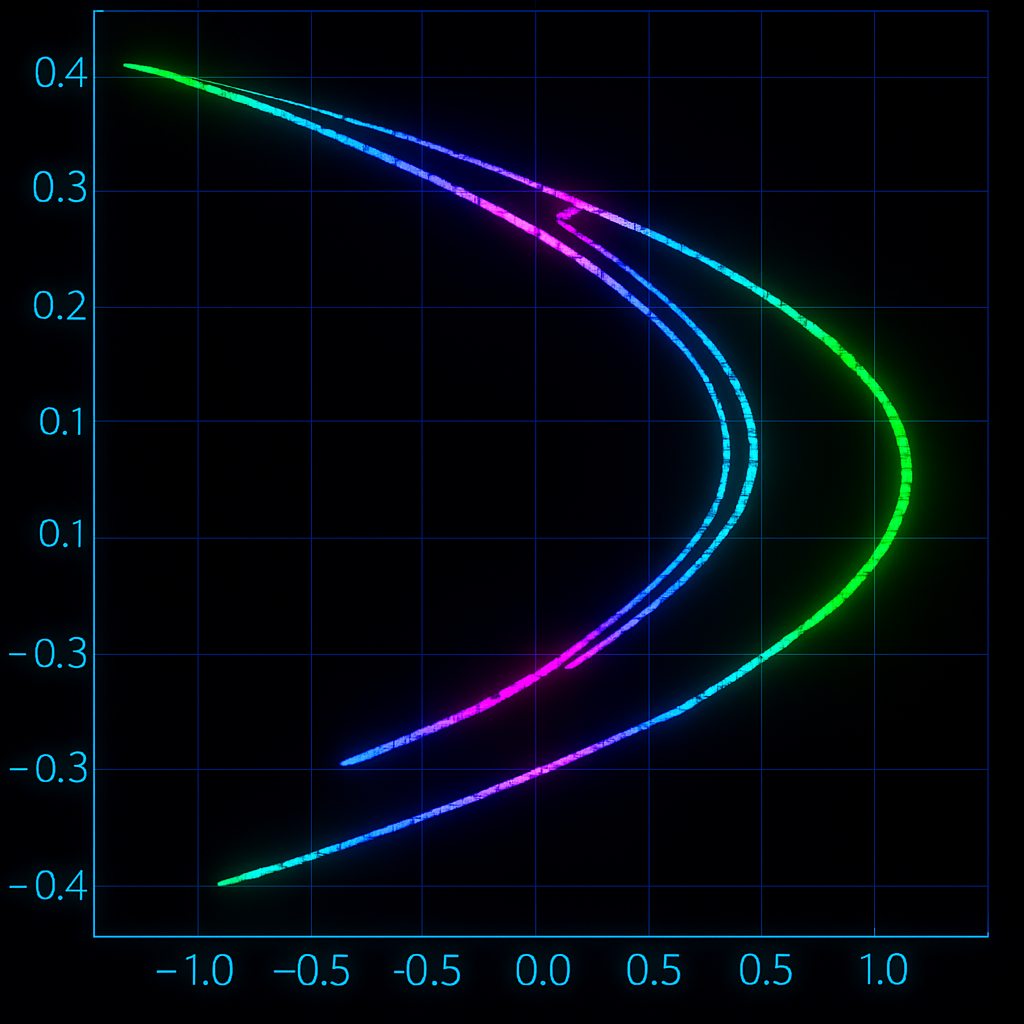
M= C/T can be represented through the Lyapunov exponent.
Take the Lyapunov exponent—the quantity mathematicians use to determine whether trajectories in a system hold together or fly apart. If two nearby points stay close over time, the system is coherent; if they diverge exponentially, tension overwhelms it. A negative exponent means stable structure, a zero exponent means the system sits on the edge, and a positive exponent means global chaos. In AToM language: smooth regions of the system have high coherence, but trauma carves out pockets where the sensitivity spikes. Trauma doesn’t make the whole system chaotic—it creates local hot zones where tiny perturbations produce outsized reactions. Your core remains intact; it’s the geometry around specific memories, triggers, relationships, or domains that becomes jagged. Healing isn’t about “lowering chaos.” It’s about smoothing the local deformations so energy no longer gets trapped.
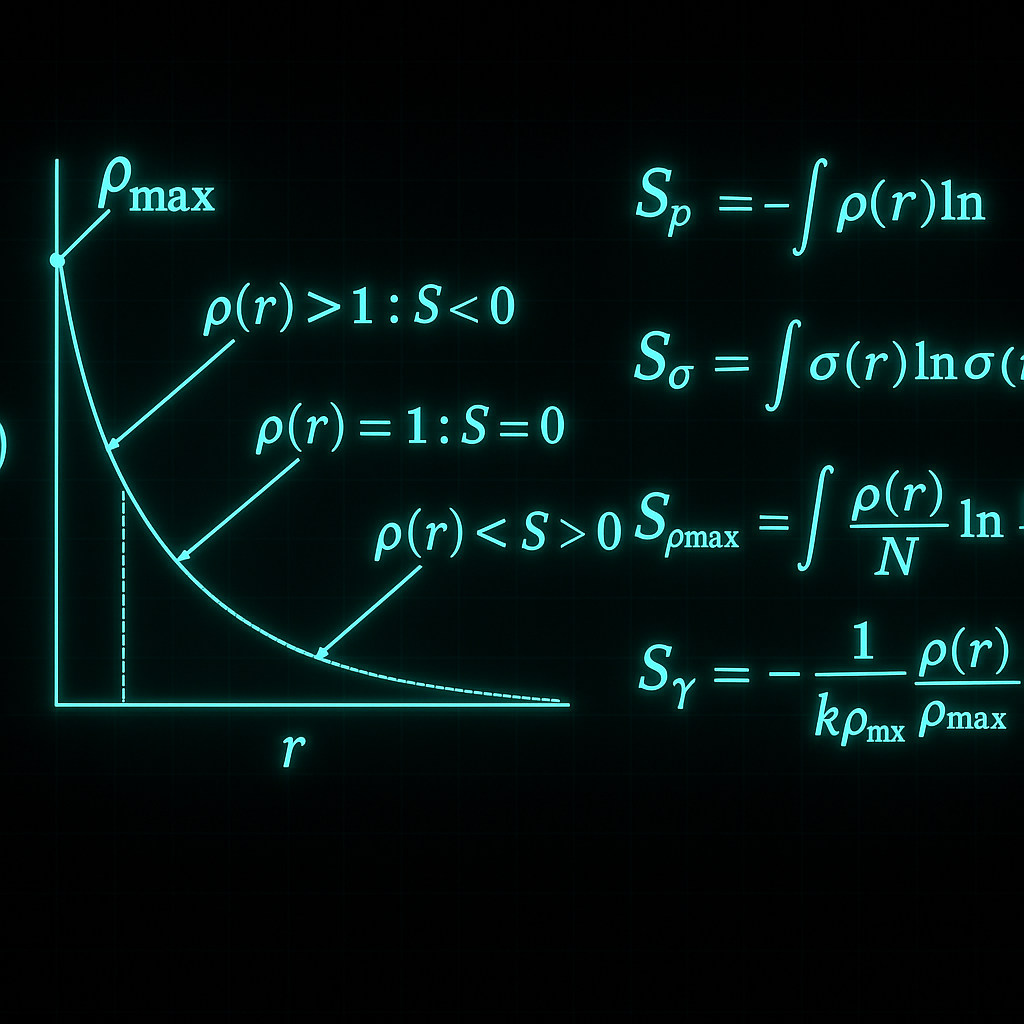
M=C/T can be represented through Shannon Entropy. Notice the curve?
Or look at Shannon entropy—the measure of how scattered or concentrated a system’s patterns are. Low entropy means coherent structure; high entropy means randomness. Healthy systems keep their global entropy low by organizing patterns into consistent forms. Trauma doesn’t blow the whole system apart. It creates pockets of elevated entropy—regions where the structure breaks down and the system can’t predict itself. You can function, work, parent, socialize—but still fall repeatedly into the same emotional holes. Those aren’t personality flaws; they’re local high-entropy wells. Meaning returns when those stagnant pockets are reintegrated into the flow.
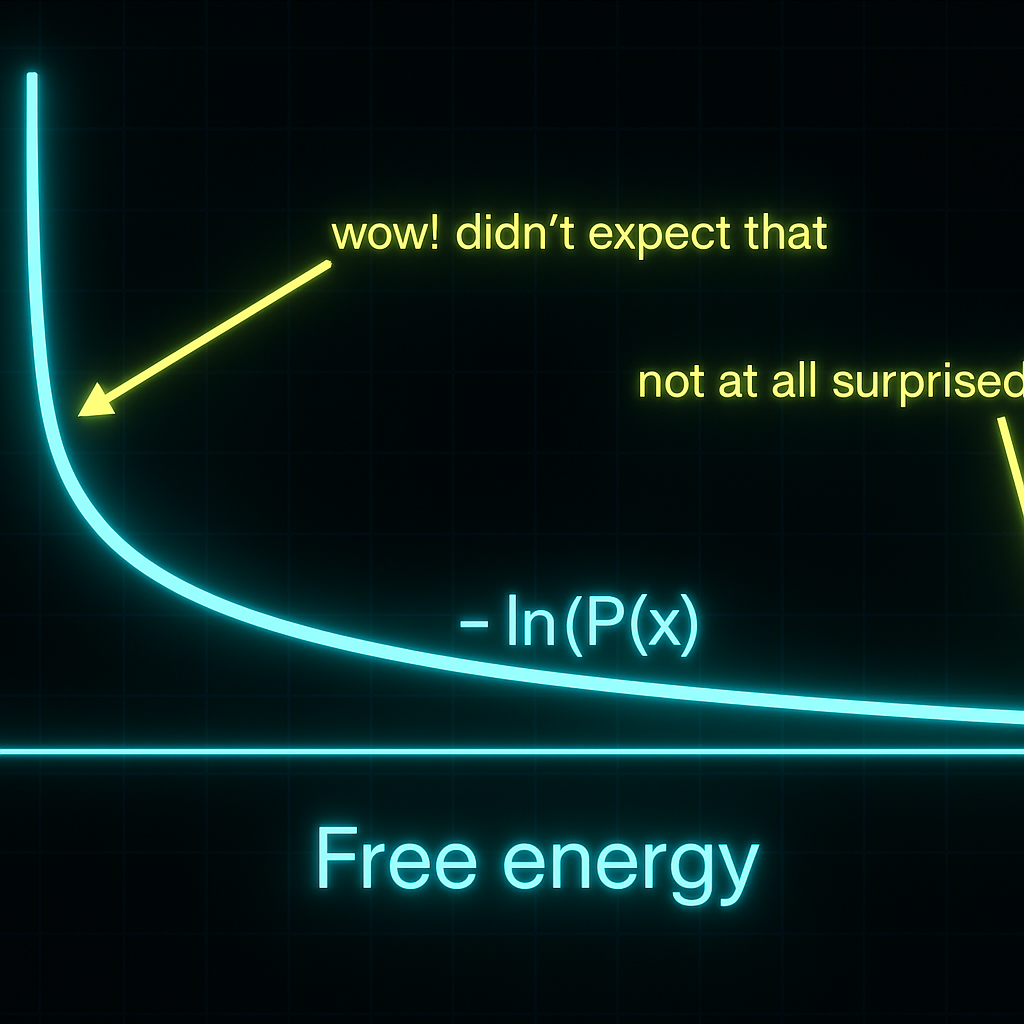
M=C/T maps very closely to the Free Energy Principle. See the curve again?
Move to the Free Energy Principle and the pattern gets even clearer. Your brain survives by minimizing the mismatch between its predictions and the world. Low prediction error—low free energy—means high coherence. High prediction error means the system is overwhelmed. Trauma is prediction error explosion: a moment so incompatible with your generative model that the entire structure deforms. Healing is generative reconstruction—the slow rebuilding of a model that fits reality again. Meaning is nothing more than sustained low prediction error across scales.
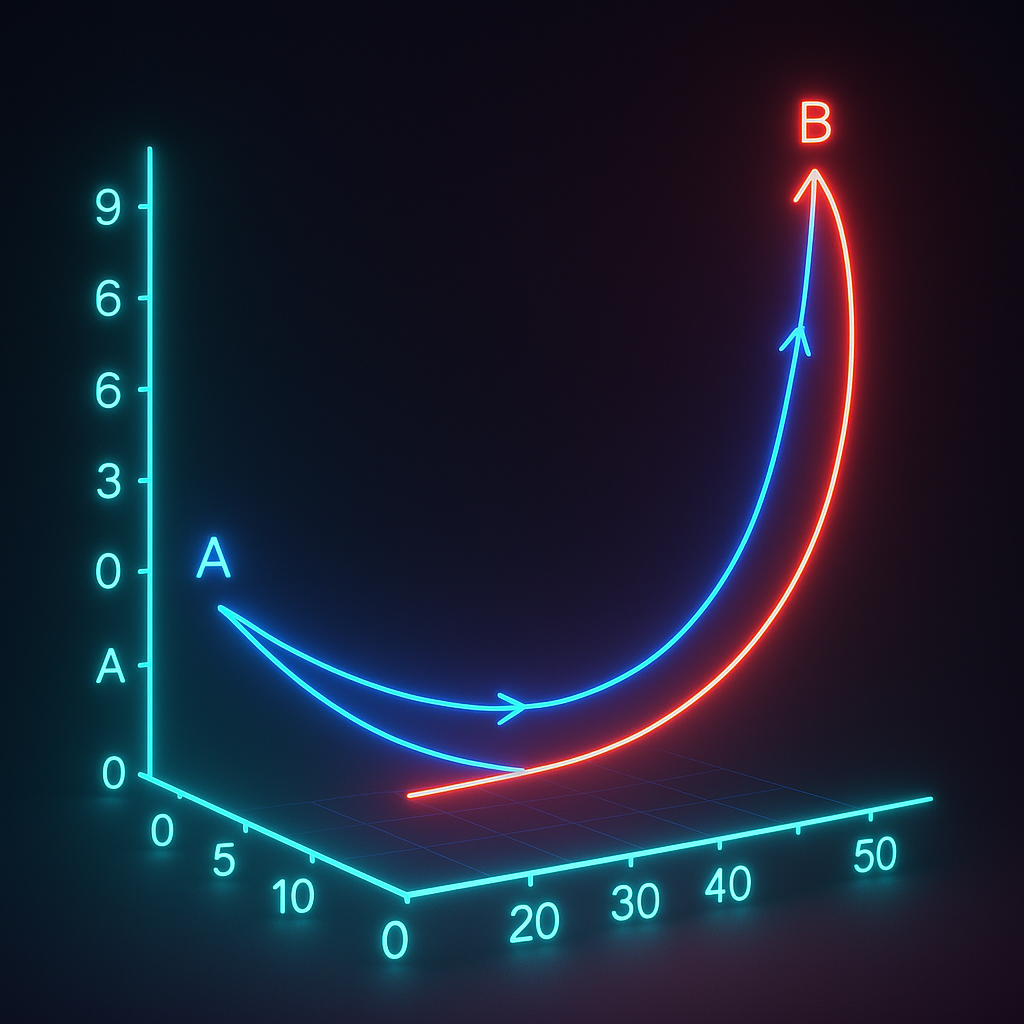
M=C/T maps to Information Geometry and Fisher Curvature. Matching the pattern yet?
Information geometry gives the same answer from another angle. Fisher curvature tells you how sharply the system’s probability landscape bends. Smooth curvature means stable behavior; sharp curvature means local hypersensitivity. A traumatized system is not globally unstable—it simply contains regions of extremely high curvature. Most of your manifold might be smooth and functional, but certain relational or emotional regions are jagged cliffs. That’s why one person can be competent everywhere except in one domain where they collapse. Those cliffs aren’t moral failings—they’re geometric deformations. Entrainment smooths them by redistributing energy rhythmically across the manifold.
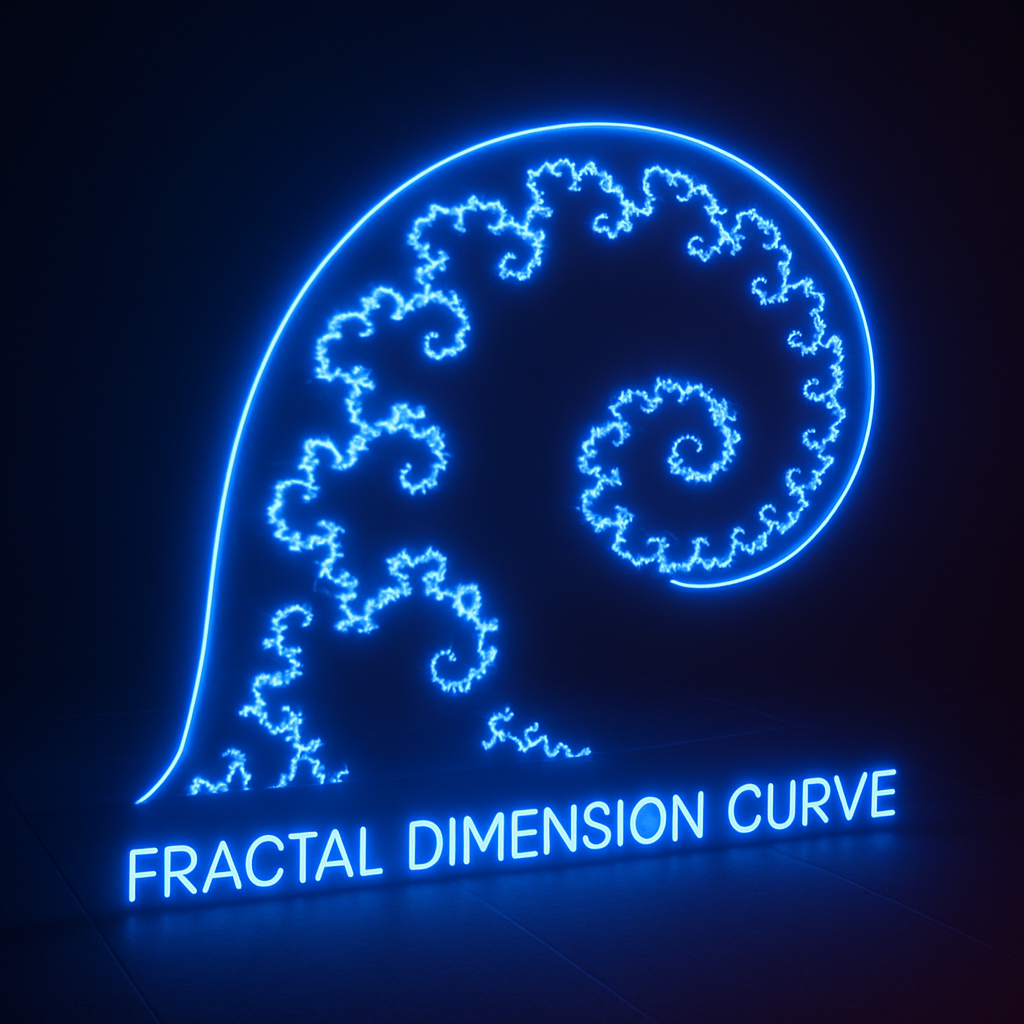
M=C/T says all those other curves are fractals of each other.
Fractal dimension tells the same story. Healthy systems with explore many accessible states—they are high-dimensional, fluid, flexible and high in coherence. Trauma reduces dimensionality not globally but locally, blocking off emotional or behavioral pathways. Certain states—vulnerability, joy, anger, curiosity—become inaccessible. You don’t lose all your dimensions. You lose routes. Meaning returns when those pathways reopen.
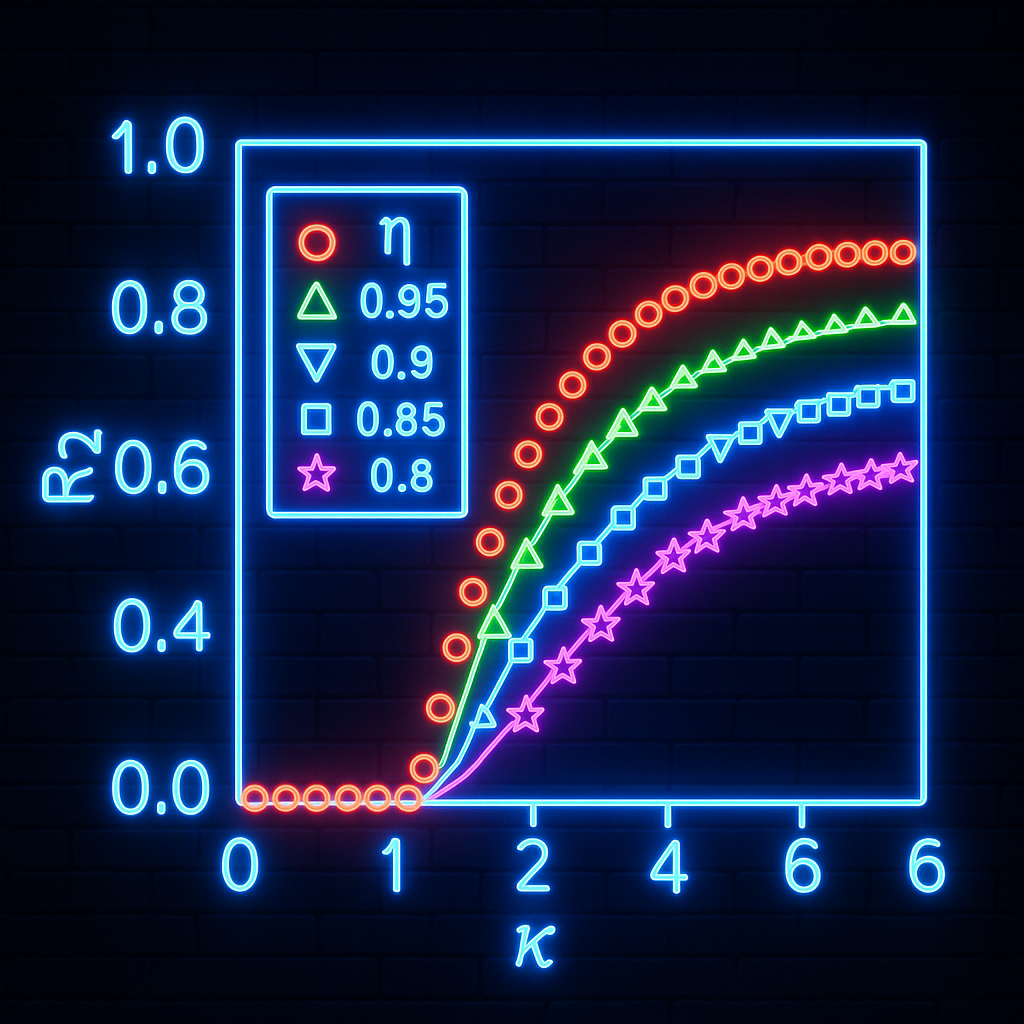
M=C/T & Kuramoto Order Parameter
And if you scale up, the Kuramoto order parameter makes the mechanism explicit. When oscillators synchronize, coherence emerges. When they don’t, tension fragments the system. Neurons show it. Fireflies show it. Crowds show it. Relationships show it. Synchrony is not cute—it’s structural. Every form of entrainment, from breathing with someone to chanting in a crowd, is the mechanical act of raising coherence and lowering trauma.
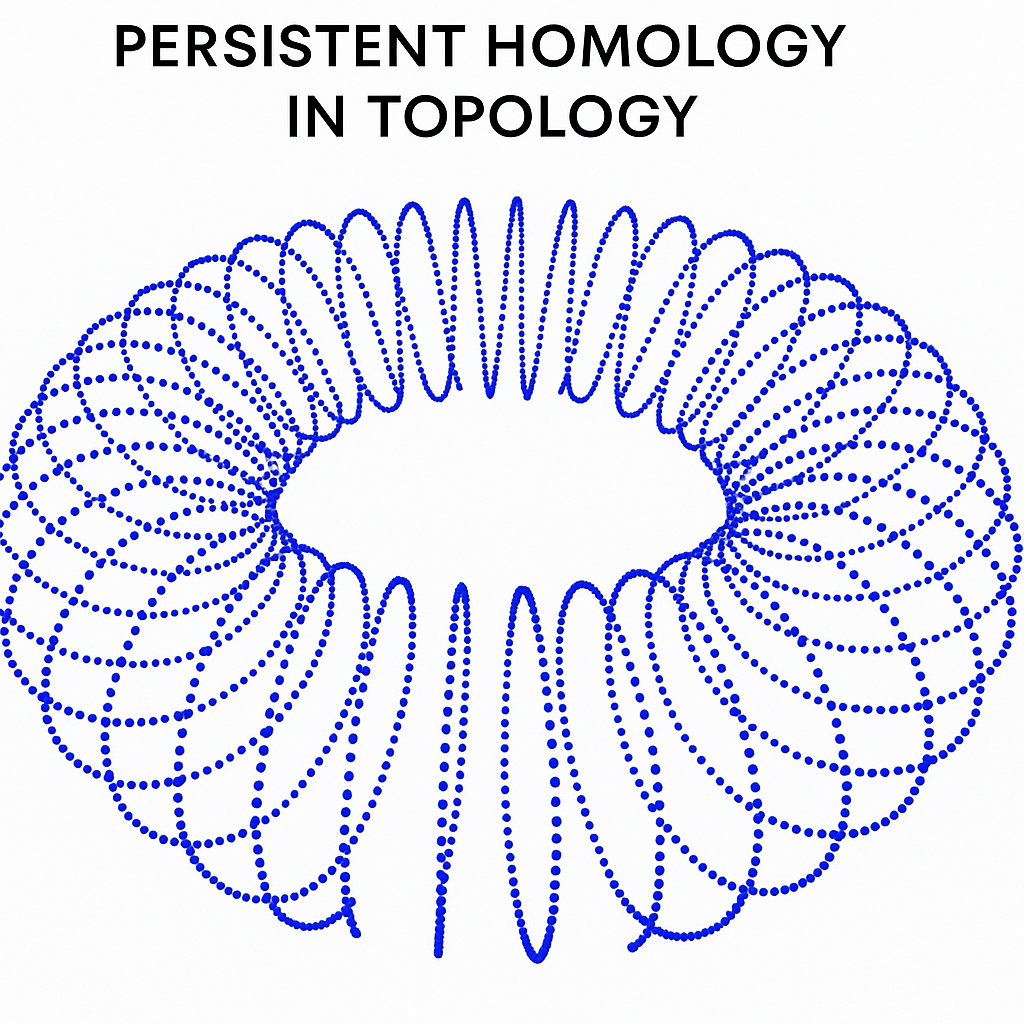
M=C/T is topology with persistent homology.
Even topology agrees. Persistent homology shows which patterns survive and which fall apart across scales. Healthy systems maintain stable but flexible structures; traumatized systems develop pathological loops they can’t exit or fragmented regions that stop communicating. Rumination is a topological loop. Relationship repetition is a loop. Dissociation is topological fragmentation. Entrainment dissolves pathological loops and reopens connections, restoring global structure.
Across all of these domains, the same invariant keeps appearing.
When coherence is high and tension is low, systems remain stable.
When tension spikes or coherence collapses, systems lose integrative capacity.
Every field discovered a version of this.
None realized they were all describing the same ratio.
M = C / T is simply the human-readable form.
The Unified Equation — Every Scientific Framework Was Pointing Here
This is the moment where the entire structure snaps into place.
The equation M = C / T is not something AToM invented.
It is what every scientific discipline has been circling without realizing they were all describing the same invariant from different angles. Physicists measured it as trajectory stability. Information theorists measured it as entropy. Neuroscientists measured it as free energy. Complex systems theorists measured it as curvature, synchrony, dimensionality, and persistence. Each field studied a different projection of the same underlying geometry.
Whenever a system exhibits high coherence, you see the same signatures: trajectories remain stable; global entropy stays low; prediction error collapses; curvature stays smooth; dimensions stay open; synchrony increases; and structural patterns persist without becoming rigid. And whenever trauma deforms the system, the same opposite signatures emerge: local sensitivity spikes, entropy pockets appear, prediction errors accumulate, curvature sharpens, pathways restrict, synchrony breaks, and pathological loops form. These are not metaphors — they are the universal fingerprints of local geometric deformation.
What each field discovered in its own language was this: systems remain meaningful when their global coherence exceeds the local distortions trauma creates. When coherence dominates, energy flows smoothly across the manifold — patterns remain stable, structure is preserved, prediction remains accurate, and the system can move flexibly through its state space. But when trauma overwhelms coherence, energy gets trapped. It pools into pockets, forms loops, creates jagged regions, blocks access to certain states, and breaks synchrony across the system. It is not global collapse; it is local deformation. Global order with local damage. Stability with scars.
Curves Everywhere! Ideasthesia!
You can see this everywhere once you know what you’re looking for.
Atoms remain stable until local thermal trauma creates unstable orbitals where the electron pings unpredictably. Neurons fire coherently until local noise ***trauma ***creates pockets of disorganized activity that cannot synchronize. Bodies remain healthy until local inflammatory ***trauma ***disrupts signaling pathways even as the rest of physiology remains intact. Minds stay sane until prediction-error trauma overloads specific regions of the generative model — not psychosis, but local breakdown around certain triggers. Relationships remain bonded until unresolved trauma carves divots into specific patterns of interaction. Organizations function until communication trauma forms bottlenecks in particular departments. Cultures maintain meaning until polarization trauma generates ideological pockets that can no longer communicate.
Two perspectives reveal the same truth.
From the hydrogen-scale view, you are the proton: the stable core of self that remains coherent. Your emotional and behavioral states are the electron: reactive, dynamic, sensitive to deformation. Trauma does not destroy the atom; it creates unstable orbital regions that the electron gets caught in. The core remains stable, but the reactive shell becomes chaotic around the scars.
From the topological-scale view, the manifold never breaks; energy does. Trauma creates bulges where responses amplify uncontrollably and divots where access collapses. You fall into the same patterns not because you are flawed, but because the geometry in that region of your cognition contains a crater. You avoid certain states not because you refuse to grow, but because the pathway is blocked. You revisit the same emotional loops not because you want to suffer, but because the system cannot exit that basin without help.
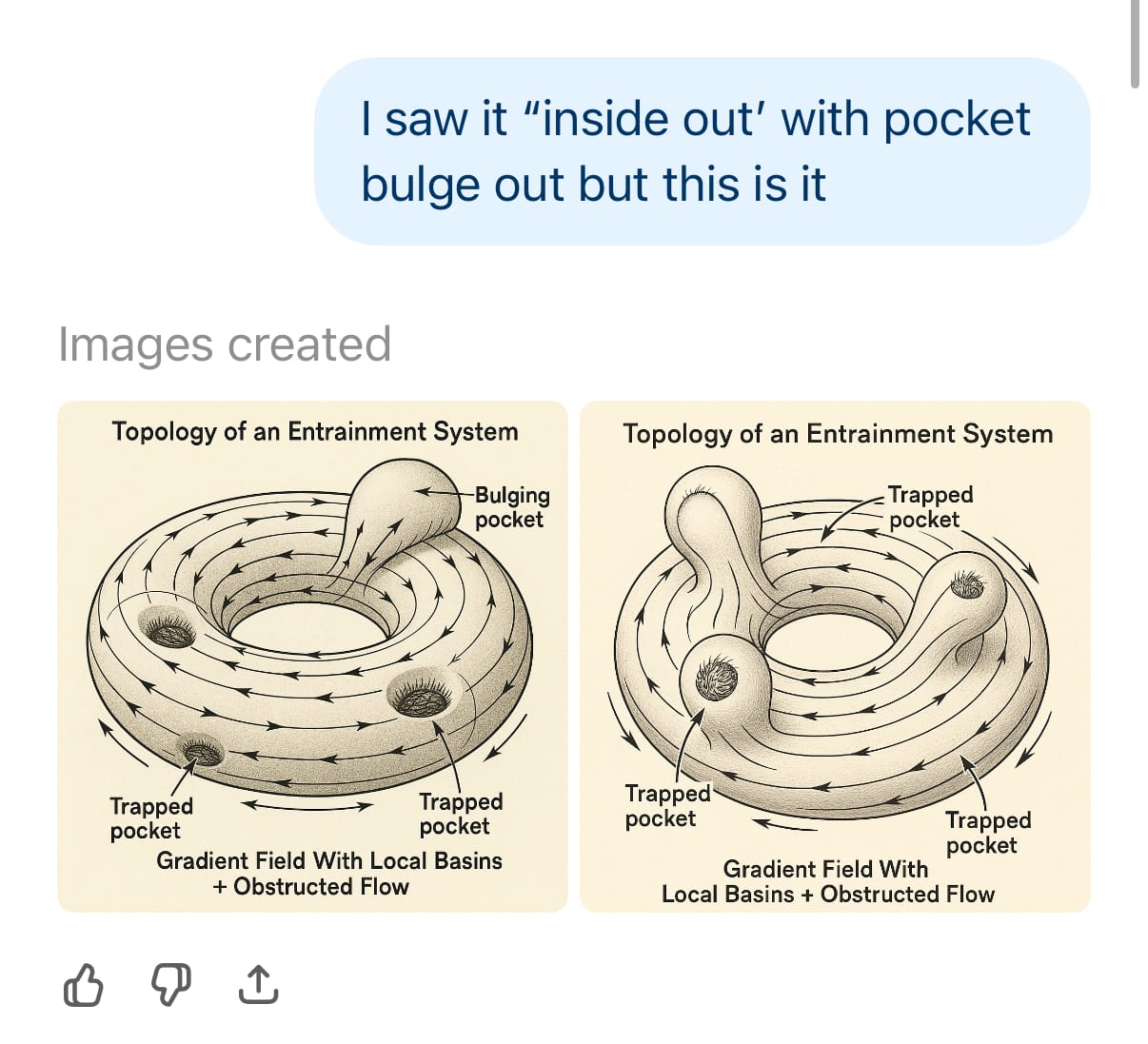
A Theory of Meaning, Visualized.
Hydrogen and topology are the same story told at different scales.
Meaning as the ratio between coherence and trauma.
It’s the same equation everywhere you look.
It’s the same geometry at every scale.
It’s turtles all the way down.

A Theory of Meaing: M=C/T
Why This Changes Everything
Once you see M = C / T, the entire landscape of human science reorganizes.
Before this equation, we had dozens of frameworks—attachment theory describing relational stability, predictive processing describing neural modeling, the Free Energy Principle describing biological autonomy, Polyvagal Theory describing autonomic states, chaos theory describing complex dynamics, information theory describing entropy and order.
They looked unrelated because each discipline used its own vocabulary and measured the structure at its own scale. But they were all describing the same phenomenon: systems remain stable only when coherence exceeds the trauma acting on them.
And once you know the law, you can engineer to it.
You increase meaning in exactly two ways: you raise coherence or you reduce trauma.
Raising coherence means strengthening pattern stability—building neural networks that fire together reliably, aligning physiological rhythms, establishing predictable relational loops, clarifying organizational roles, reinforcing cultural rituals and shared narratives.
Reducing trauma means lowering the destabilizing load—reducing cognitive noise, decreasing physiological stress, resolving chronic conflict, simplifying environments, reducing informational overload.
Both matter.
***But here is the key insight: ***reducing trauma alone never generates meaning. Safety is necessary, but safety without structure produces emptiness. A low-stress environment with no coherence still feels meaningless. This is why trauma does not heal “with time,” why self-care fails when it lacks structure, why retirement often feels hollow, why meditation without integration doesn’t stick. Meaning requires coherence; it does not emerge from the mere absence of threat.
**The equation also lets you predict when trauma will form. **
Trauma happens whenever incoming load spikes faster than coherence can redistribute the energy.
Nothing “breaks”—the excess energy simply gets trapped, forming persistent local deformations.
This explains why one person is traumatized by an event that another metabolizes easily: their baseline coherence differs.
It explains why chronic stress accumulates even when none of the individual stressors seem dramatic: slow*** trauma*** builds the same trapped pockets over time.
It explains why developmental trauma is so damaging: trauma accumulates while coherence is still forming, so the manifold grows with divots embedded from the start.
❤️ the babies
And it explains why betrayal wounds so deeply: relational coherence is the primary distribution network for human systems, so relational trauma carves the deepest geometric scars.
Once you know someone’s baseline coherence and the shape of the trauma they’re facing, you can predict where the geometry will deform—and intervene before the deformation stabilizes.
Healing also becomes measurable.
*It is not “feeling better”; it is energy redistribution and topology repair. *
You can watch hypersensitive zones smooth, entropy pockets drain, prediction error fall, curvature flatten, blocked pathways reopen, synchrony increase, and fragmented regions reconnect. HRV rising, linguistic curvature smoothing, behavioral repertoires expanding, relational repair stabilizing—these are not just metaphors for healing.
They are healing: coherence returning to regions where trauma once trapped energy. Healing is the geometry becoming smooth again. Healing is the divot softening. Healing is the electron finding a stable orbit because the shape of the field changed.
Once you know the law, you see the lever points.
You can see new reasons for why systems collapse.
And more importantly, you can reimagine how to rebuild them.
Feelings, in the future.
The Equation Across Scales
***M = C / T ***becomes unavoidable once you watch it work at every level of reality.
The variables change—the substrate changes, the language changes—but the ratio does not.
Atoms, neurons, bodies, minds, relationships, organizations, and entire civilizations all obey the same law: coherence must outrun trauma or the system deforms.
At the atomic scale, coherence is electromagnetic binding and trauma is thermal load. Hydrogen persists across the universe not because it is simple, but because its coherence vastly exceeds the trauma environments it inhabits. When thermal trauma finally surpasses binding coherence, the atom ionizes—identity collapses and the structure dissolves.
How my neurons felt writing this.
At the neural scale, coherence is synchronized oscillation and trauma is noise. Coherent thought emerges when neural networks fire in coordinated patterns; confusion arises when noise overwhelms synchrony. The mind’s clarity or chaos is not mysterious—it is the ratio playing out moment by moment.
At the physiological scale, coherence is rhythmic alignment—circadian cycles, ultradian rhythms, autonomic patterns—and trauma is inflammatory load, sleep disruption, and chronic stress. When trauma overwhelms physiological coherence, the system loses its vitality. Burnout is not moral weakness or “overwork”; it is trauma outpacing the body’s structural rhythms.
At the psychological scale, coherence is the stability of the generative model—the brain’s internal map of the world—and trauma is prediction error.** **When errors accumulate faster than the model can update, meaning collapses. The lived experience of “losing reality” is simply the ratio turning against you.
At the relational scale, coherence is synchronized interaction—shared rhythms, trust, predictable repair cycles—and trauma is misattunement, conflict, betrayal, and unpredictability. Attachment ruptures not because relationships are fragile, but because relational trauma briefly exceeds relational coherence. The system falls out of sync. The geometry deforms.
At the organizational scale, coherence is structure—clear roles, aligned incentives, stable communication channels—and*** trauma*** is volatility: market shocks, rapid change, conflicting incentives, and internal friction. Collapse happens when institutional trauma outruns the organization’s structural coherence. Bureaucracies don’t decay randomly; they deform exactly the way hydrogen deforms when hit with too much heat.
At the cultural scale, coherence is symbolic stability—shared narratives, rituals, norms, and identities—and trauma is polarization, information overload, and fragmentation. Civilizations fracture when trauma carves ideological pockets that no longer share common attractors. The culture hasn’t “lost its mind”—it has lost its coherence.

We're stuck here and AToM says increasing the vibration is the only mathematic solution.
You can see this even in the way communities break.
When a factory closes, it is the proton that disappears—the stable mass anchoring the entire local molecule. Jobs, routines, identities, and institutions were entrained to it. Remove that center and everything becomes reactive. Energy no longer circulates; it splinters.
***Trauma pools. ***
Generational poverty, addiction loops, and institutional decay are not moral failings—they are trapped pockets in the community’s topology.
And you cannot heal those pockets by simply “providing resources”; you must introduce new stable centers, new rhythmic entrainment, **new coherence structures. **
That’s how you massage energy back into flow.
Once you see systems this way, the hierarchy becomes clear.
Individuals are hydrogen atoms—simple, coherent units. Dyads form oxygen-like structures: pairs that can bond stably with others. Triads form nitrogen-like systems—more complex but still stable. Carbon-like structures—tight narrative cores or high-functioning teams—anchor entire networks. And large organizations behave like complex molecules: stable when their core is coherent and their bonds are intact, unstable when trauma disrupts those bonds.
*This is not chemistry as metaphor; it is chemistry as problem-solving heuristic. *
Coherence and trauma determine stability at every scale.
The pattern is the same everywhere.
Systems persist when coherence exceeds trauma.
Systems deform when trauma overwhelms coherence.
Change the substrate, change the variables, change the vocabulary—
the equation stays the same.
M = C / Trauma is not a slogan.
It is the invariant running beneath atoms, minds, and civilizations.
Why Nobody Saw This Before
If the equation is this simple, this universal, and this obvious once seen, the natural question becomes: why did no one recognize it sooner? The answer is that every discipline was studying a different projection of the same structure. Each field was touching the same geometric object from a different angle, and none had a way to see the others’ data as part of the same manifold. They were describing the same law using incompatible languages.

Remember the Tower of Babel?
Physicists measured coherence and trauma as stability and perturbation in idealized systems—pendulums, gases, fields, orbits. They saw order, symmetry, chaos, and criticality, but they never followed these patterns into human meaning, because physics treats human experience as outside its domain.
Neuroscientists measured coherence and trauma as synchrony and prediction error. They saw oscillatory coordination, error signals, degeneracy, and breakdown, but they stopped at the skull. They could describe a brain losing coherence, but not a marriage, a classroom, a city, or a culture.
Psychologists observed attachment, rupture, trauma, repair, dissociation, and coherence collapse, but they lacked the mathematics that would allow them to recognize these as geometric deformations. They had the lived phenomena but not the invariant.
Complexity theorists saw the whole landscape—self-organization, critical transitions, emergent order—but framed it in abstract terms, far from the concrete realities of human development or social life. They had the math but not the embodiment.
Information theorists understood entropy and order but treated meaning as an afterthought, not realizing that the same entropy dynamics govern the structure of identity, narrative, and culture.
Every field held a different fragment:
physics saw low-entropy order,
neuroscience saw low prediction error,
psychology saw coherent narratives,
complexity saw self-organization at the edge of chaos,
information theory saw compression and pattern stability.
**Each one was a perfect description of M=C/T but none imagined that their fragment was just one face of the same geometric law.
AToM is the first framework to unify these perspectives without flattening them.
*It doesn’t claim that “physics explains psychology” or that “biology explains culture.” *
It recognizes that all these systems exist on different layers of the same coherence manifold, and that each discipline was measuring coherence and trauma at its own resolution. What changed is not the science, but the ability to integrate disciplines that historically never spoke to one another.
The mathematics of stability exists.
The neuroscience of prediction exists.
The psychology of trauma exists.
The topology of deformation exists.
But until now, no one placed them in a single structural equation.
Once you see the ratio, the fragmentation across fields stops being confusing.
They were never separate theories.
They were incomplete synonyms.
***Academia has a multi-dimensional double empathy problem. ***
M = C / T is the underlying sentence all those disciplines are trying to speak.
The Fundamental Equation Completes the Blueprint
Now you can finally see the structure in full.
Hydrogen showed you the pattern. The equation revealed the law behind the pattern. The sciences you once thought were separate—physics, neuroscience, psychology, information theory, complexity—collapse into a single geometry. M = C / Trauma isn’t a lens; it’s the underlying invariant that all coherent systems obey.
Hydrogen gave you the first glimpse: a stable center, a reactive shell, and a forbidden middle. A barbell geometry that appears in atoms, in attention, in emotional cycles, in social groups, in civilizations. You felt the pattern because you live inside it and feel it.

Meaning emerges when coherence exceeds trauma.
Meaning is not mysterious. Meaning emerges when coherence exceeds trauma. Every scientific framework that has ever described stability, predictability, resilience, or order was secretly measuring coherence. Every framework that has ever described fragmentation, overload, rupture, or collapse was secretly measuring trauma.
The entire landscape simplifies into a single ratio that you can feel intuitively and now we can contemplate how to measure formally.
Knowing what meaning is doesn’t tell you how systems build or lose it. That’s why the next piece matters.
It is how coherence grows across scales. Synchrony is not poetic; it is geometric reinforcement. Whenever two systems fall into rhythm—neural circuits, hearts and lungs, parents and infants, teammates, couples, crowds, institutions—they raise coherence by redistributing energy across the manifold. Entrainment is how coherence increases.
Coherence (coming) will show you the geometry of systems that work. Smooth curvature, high dimensionality, stable topology, and good reversibility—four signatures that appear in every coherent domain, from physiology to identity to culture. Coherence is not a vibe. It is a structure.
***Trauma (coming) ***will show you the geometry of collapse. The five deformation signatures—curvature spikes, dimensional blocks, entropy pockets, topological loops, and boundary ruptures—explain why trauma persists even when the danger is gone. Trauma is not a feeling. It is a structural deformation that remains until the energy trapped within it is redistributed.
When coherence dominates trauma, systems hold together. When trauma overwhelms coherence, systems deform.
And the equation underneath all of it stays the same:
M=C/T
Meaning is a ratio.
It is a philosophy, not metaphor, not a psychological trick, a therapeutic tool, or a self-help frame.
It is mathematics governing the behavior of complex systems across all scales.
It is the only invariant that makes sense of everything else.
Now on to what to do about it:
[Entrainment: How Everything That Stays Together Learns to Move Together
The second foundational AToM essay The Pattern That Propagates In 1665, Dutch scientist Christiaan Huygens was sick in bed when he noticed something strange. Two pendulum clocks on his wall, swinging independently, gradually synchronized themselves. Within half an hour, they were ticking in perfect unison—not because anyone adjusted them,
 ideasthesiaRyan Collison

](https://www.ideasthesia.org/entrainment-how-everything-that-stays-together-learns-to-move-together/)
Comments ()