Multivariable Calculus Explained
Single-variable calculus lives on a number line. Multivariable calculus lives in space — functions that take two or three inputs and produce landscapes of outputs. The ideas of rate of change and accumulation get more complex, more visual, and far more useful.
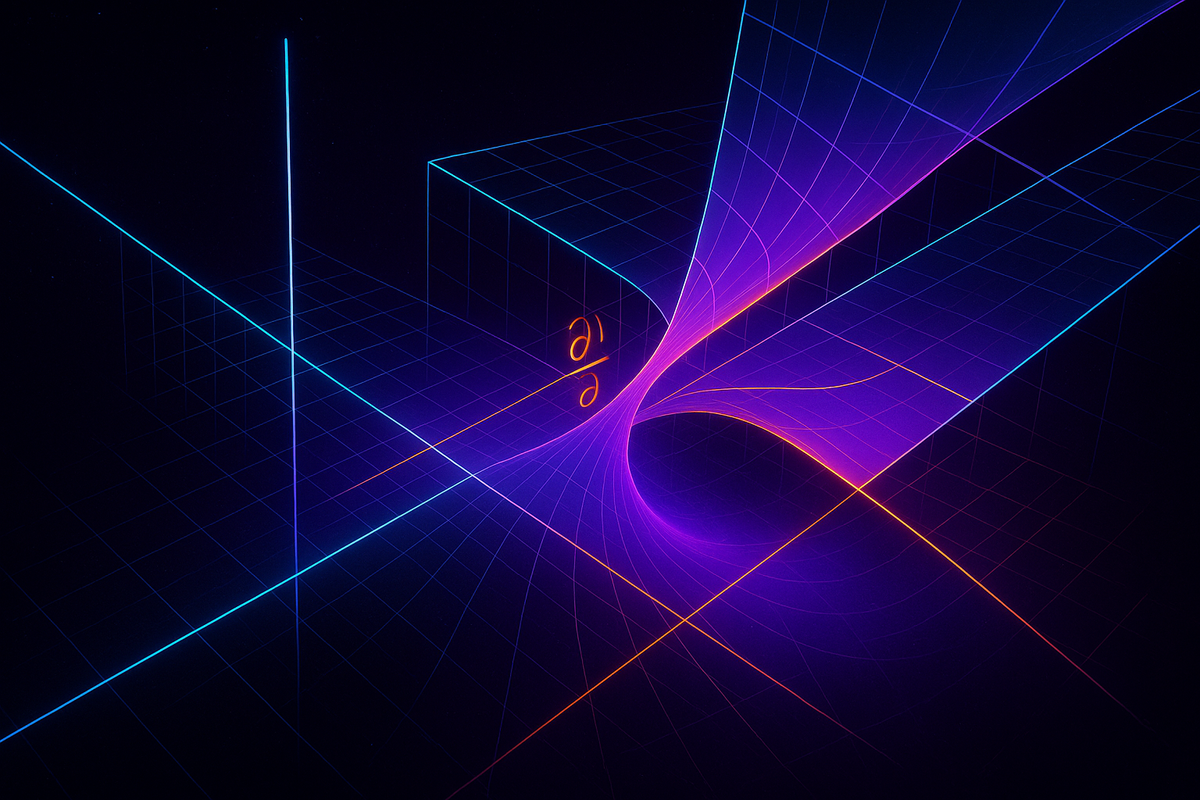
Single-variable calculus taught you how to analyze motion along a line. Multivariable calculus? That's where you break free into actual space—surfaces, volumes, fields that swirl in three dimensions or more.
This is the mathematics of reality as it actually exists: functions that depend on multiple inputs simultaneously, changes that ripple through interconnected systems, optimization problems where everything constrains everything else.
Here's what makes multivariable calculus extraordinary: it's not just "calculus but harder." It's a fundamentally different way of thinking about change, flow, and accumulation when you can't reduce the world to a single axis.
The Series Map
Foundation Concepts:
- What Is Multivariable Calculus - The jump from lines to spaces
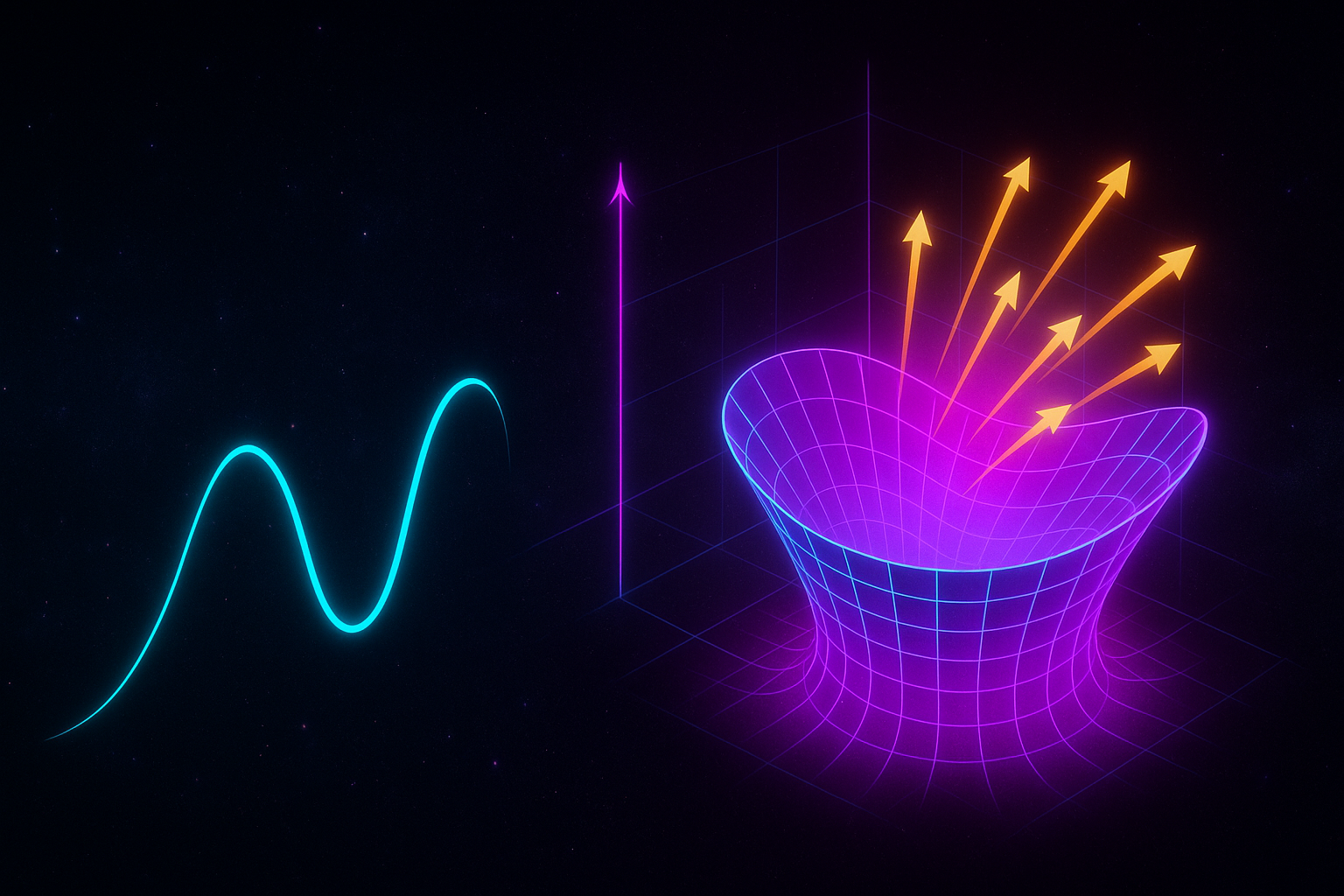
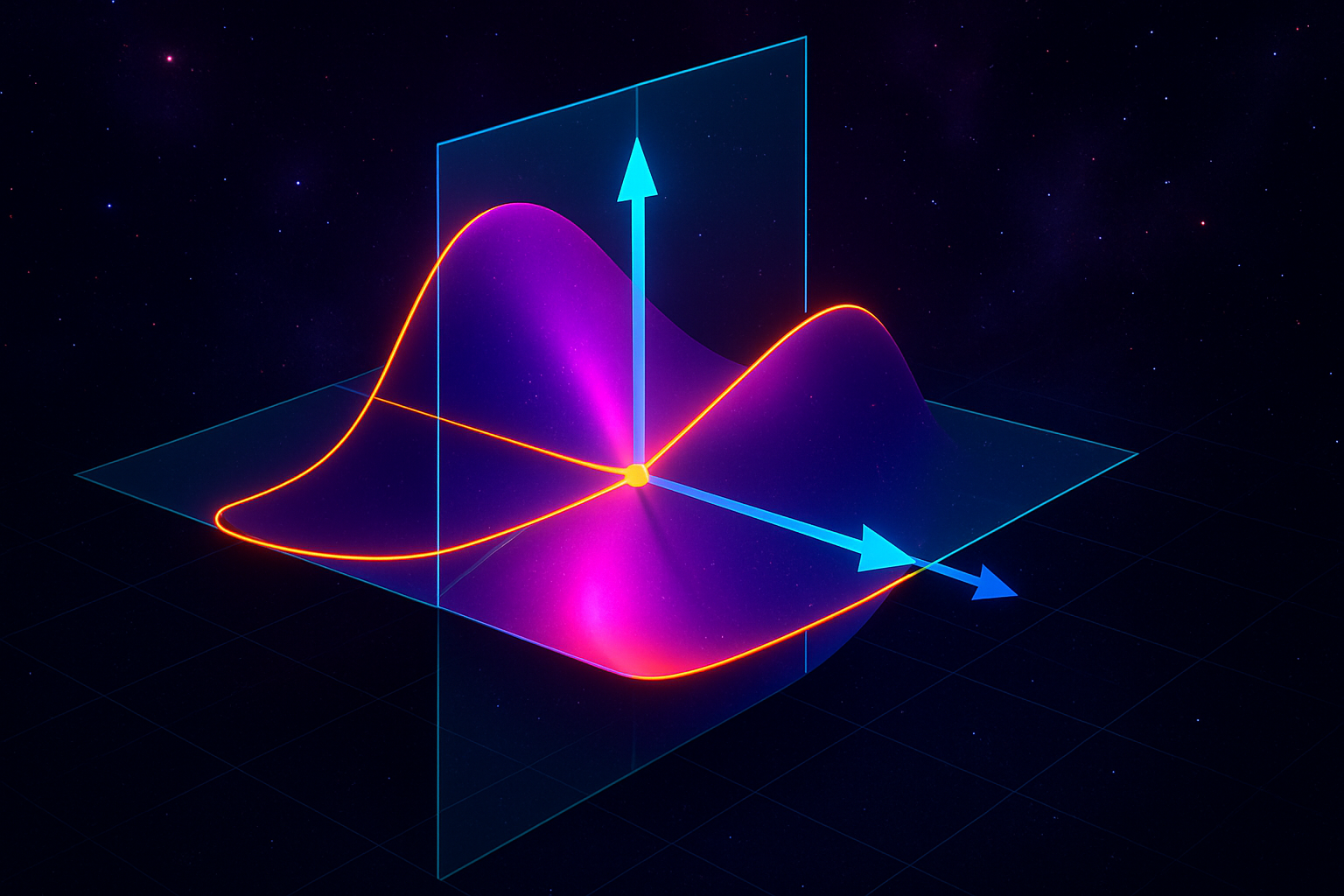
- Partial Derivatives Explained - Isolating change in one direction
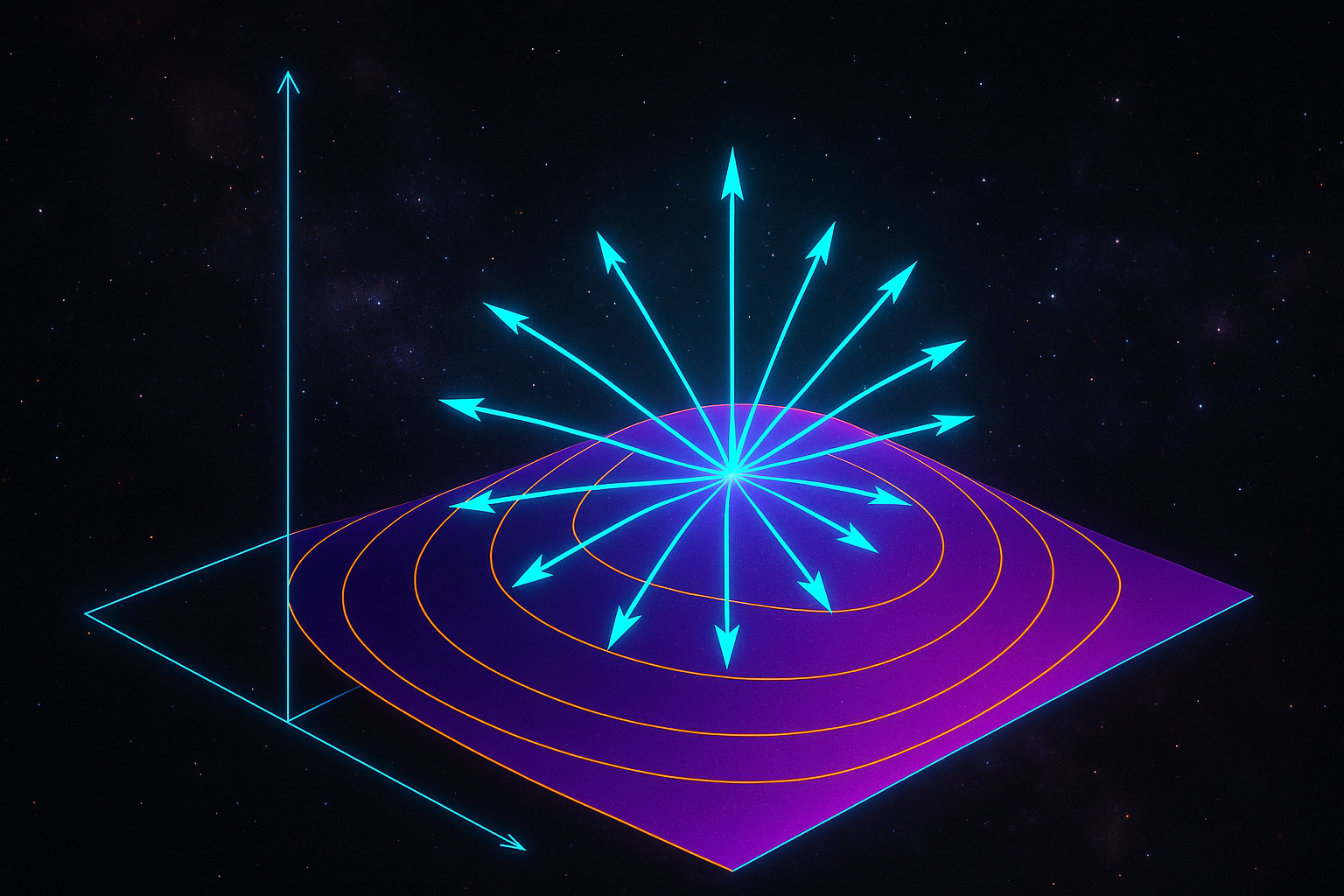
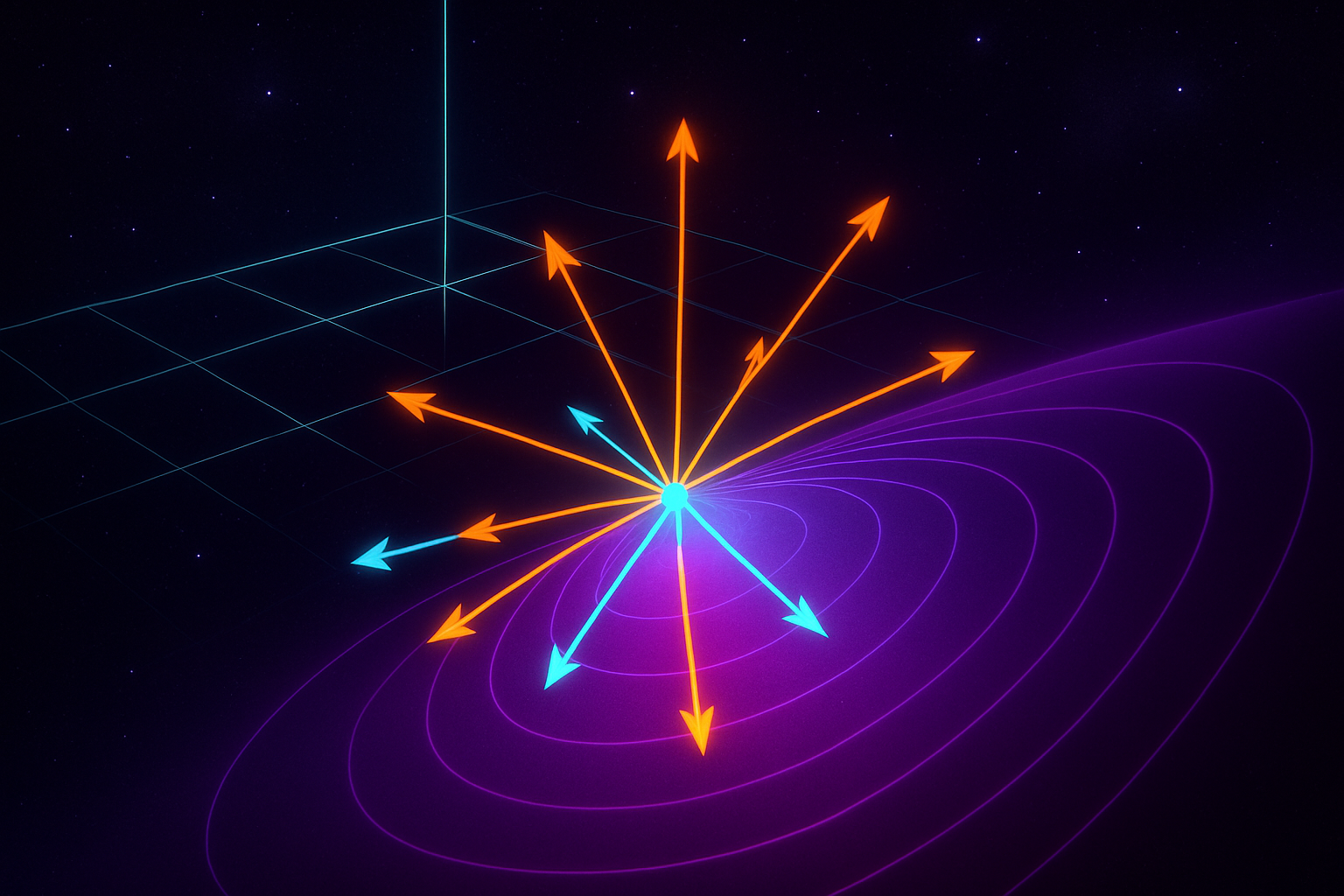
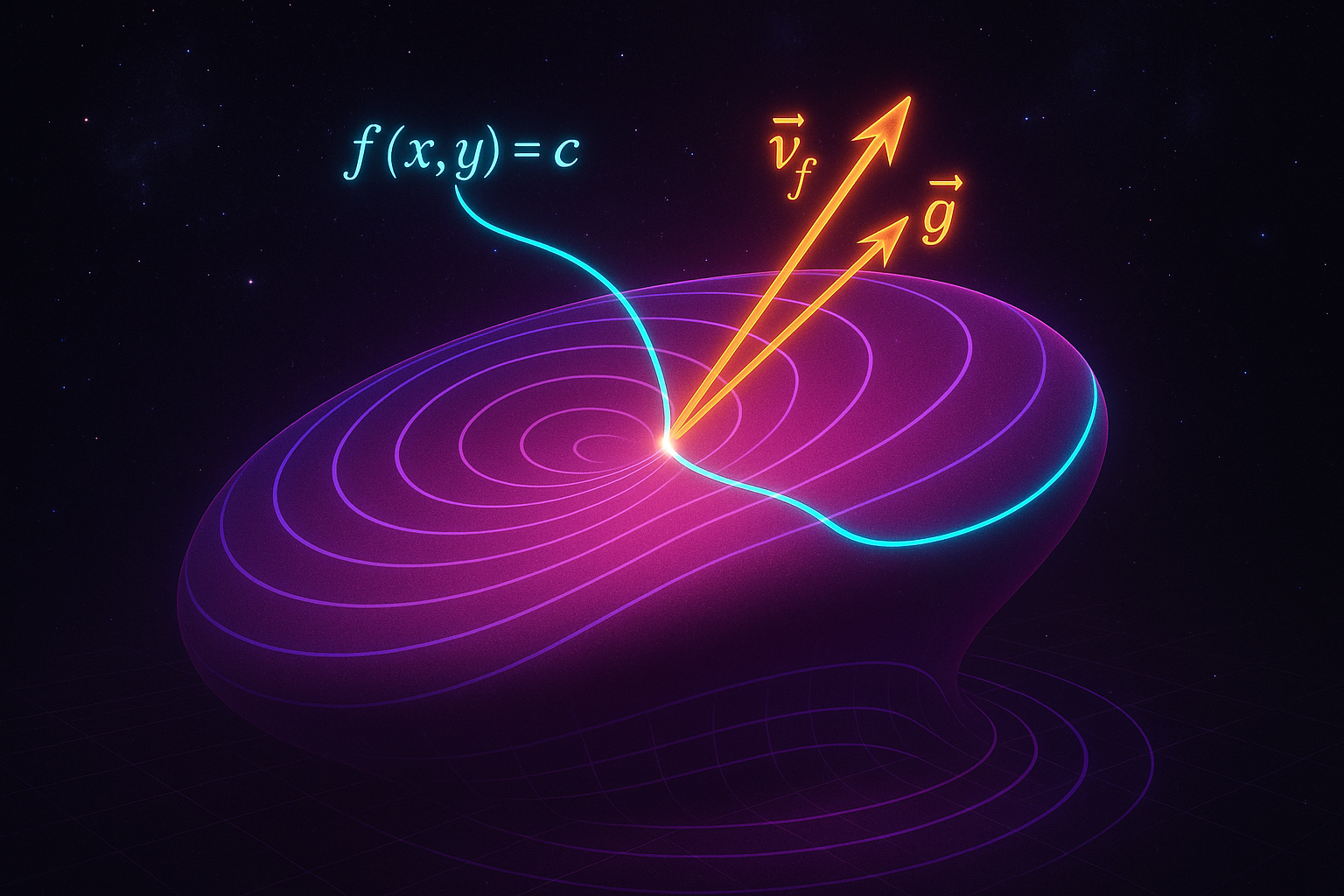
- The Gradient Explained - Vectors that point uphill
Differentiation Techniques:
- Directional Derivatives - Change along any path you choose
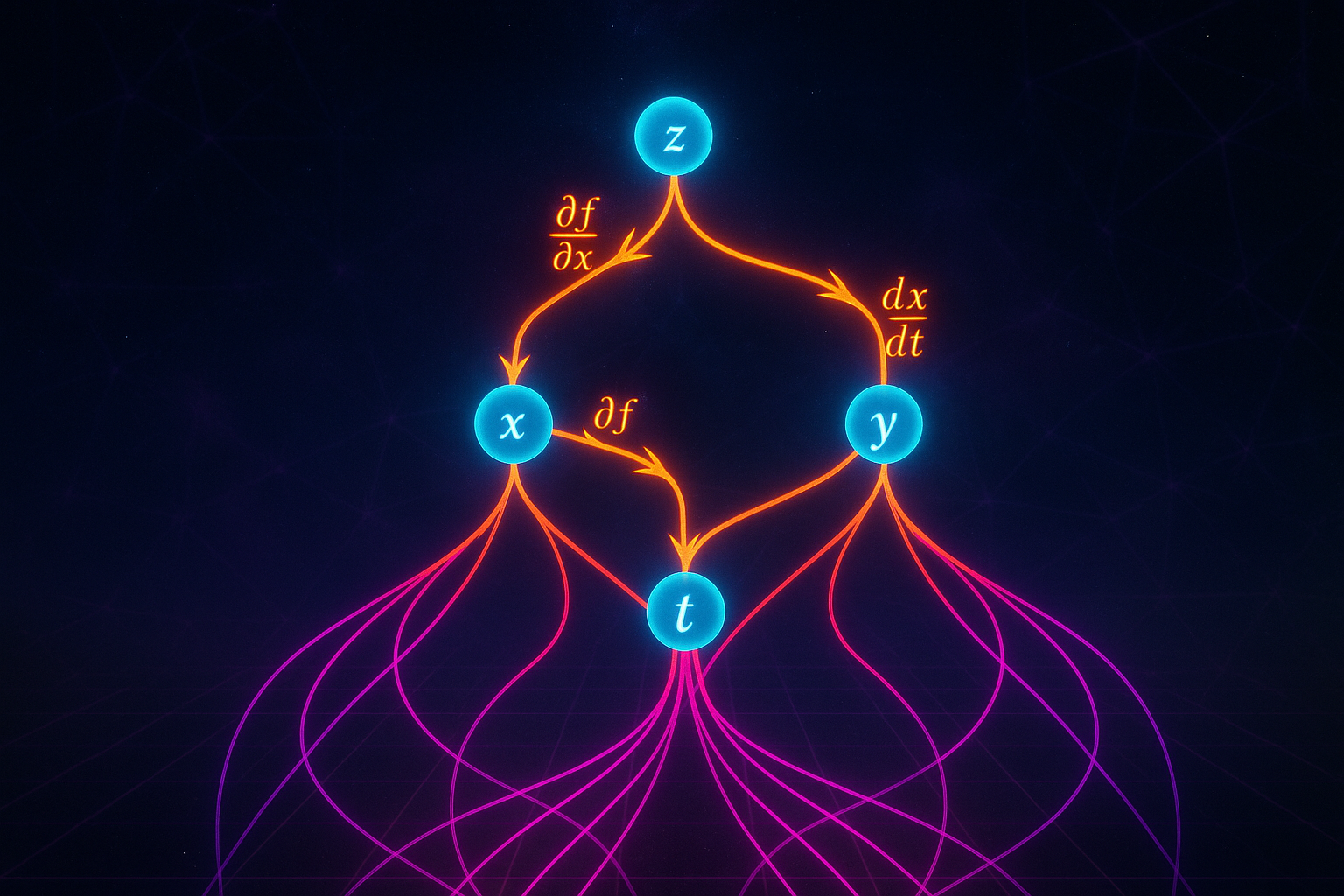
- Multivariable Chain Rule - Tracking dependencies through networks
Integration Methods:
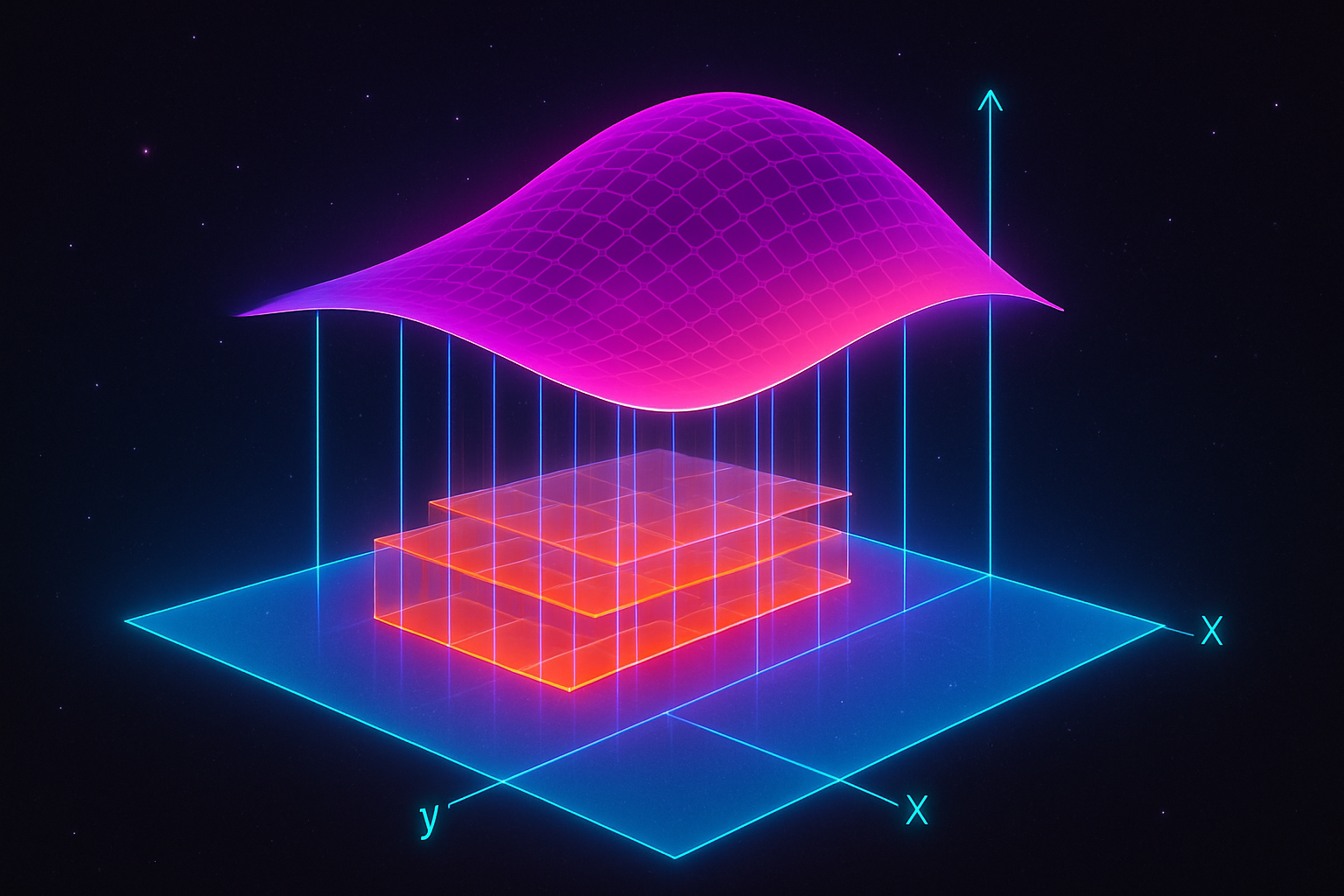
- Double Integrals Explained - Accumulating over regions
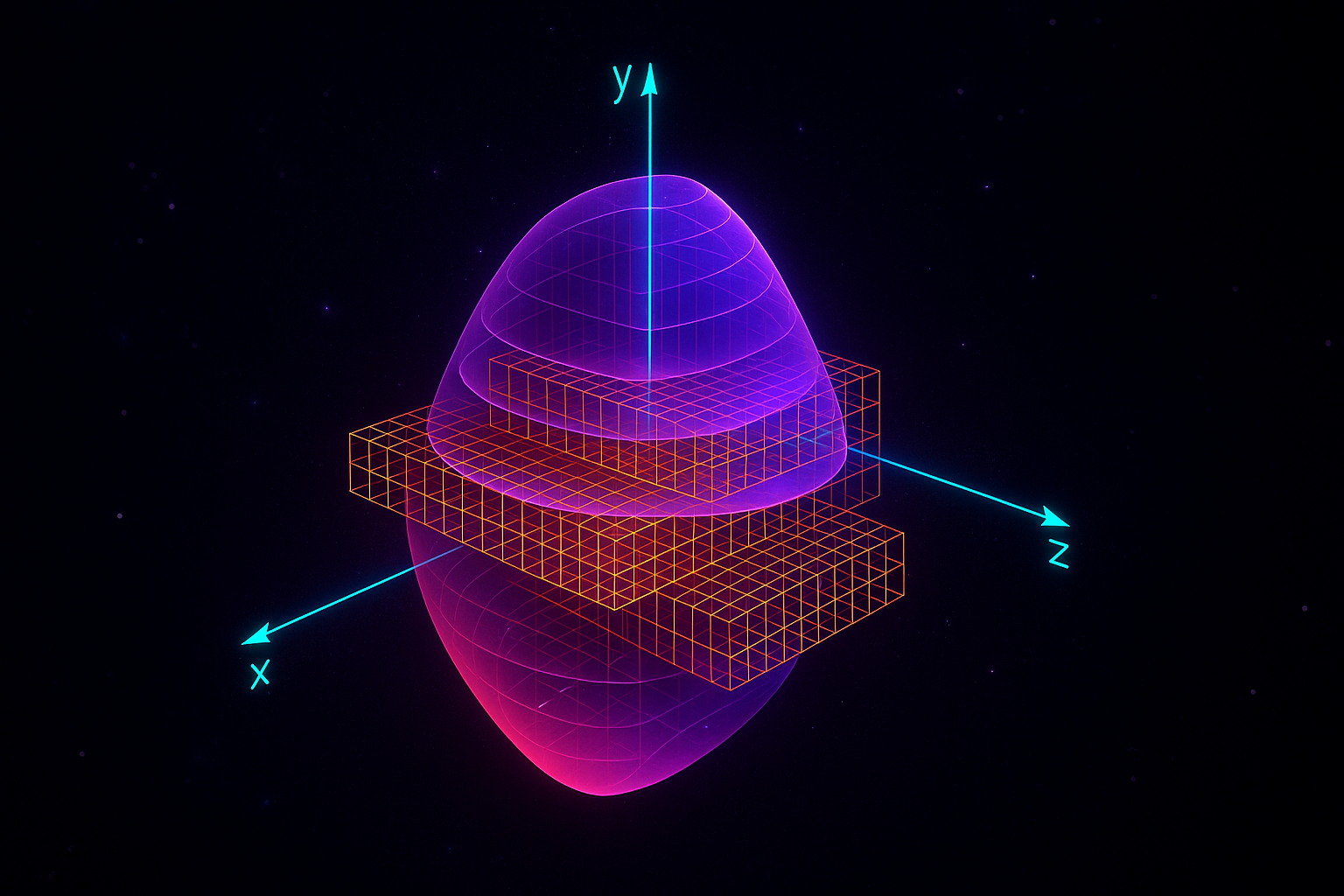
- Triple Integrals Explained - Volumes and densities in 3D
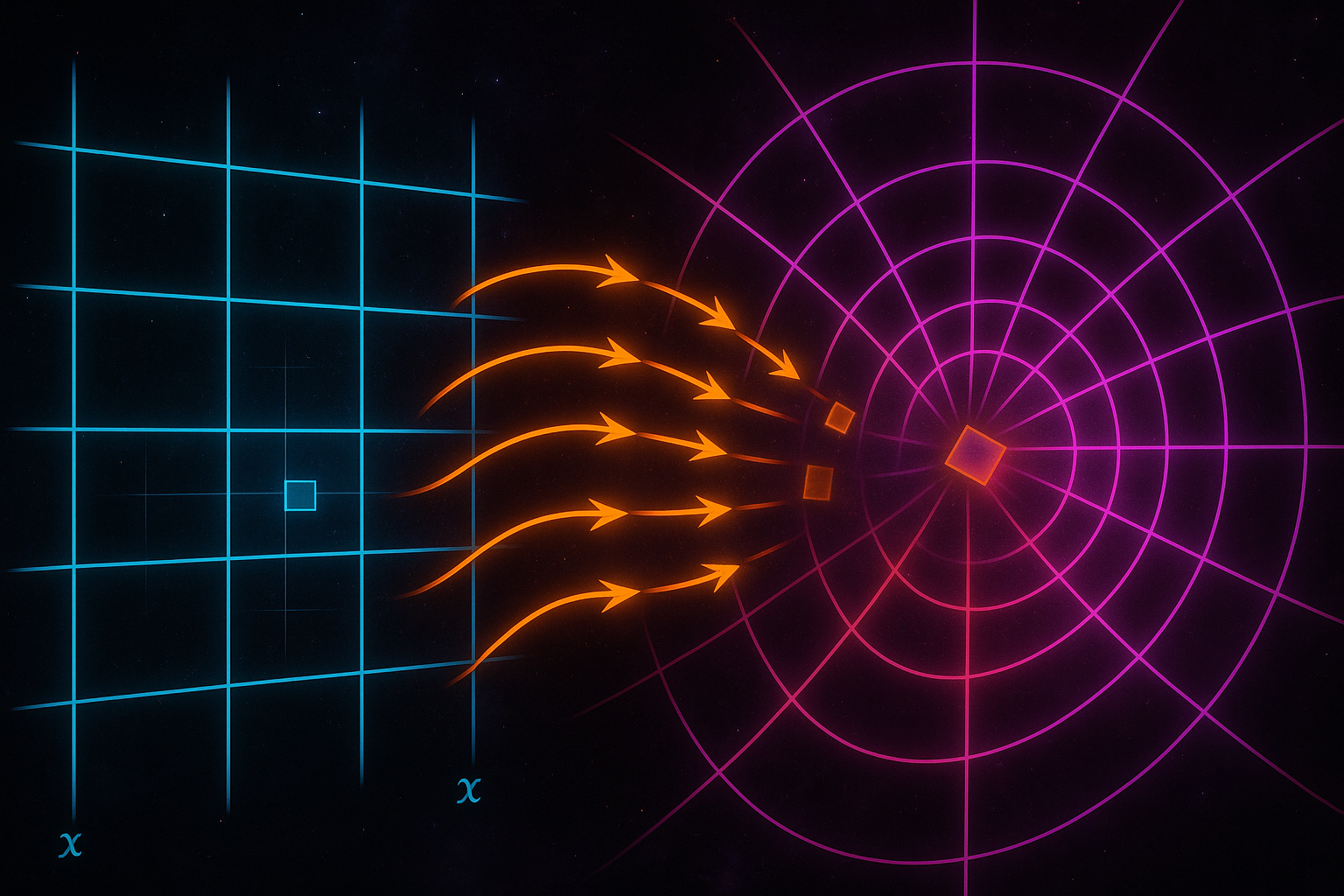
- Jacobians and Change of Variables - Warping coordinate systems
Optimization:
- Lagrange Multipliers Explained - Finding extrema under constraints
Synthesis:
- Multivariable Calculus Synthesis - How it all connects
Why This Matters
Temperature doesn't just vary along a thermometer—it forms fields across space. Fluid doesn't flow in one dimension—it swirls in three. Optimization problems in the real world never have just one variable to tune.
Multivariable calculus is the language for describing systems where everything depends on everything else, where change propagates through multiple dimensions simultaneously, where the geometry of the problem shapes the calculus you need.
This is mathematics not as abstraction but as direct engagement with how the world actually works when you stop pretending it's one-dimensional.
This is the hub page for the Multivariable Calculus series.
Next: What Is Multivariable Calculus? When Functions Have Multiple Inputs
The Series
Comments ()